industry
EV Battery Fire Risks: Real Data Analysis (Not the Hype)
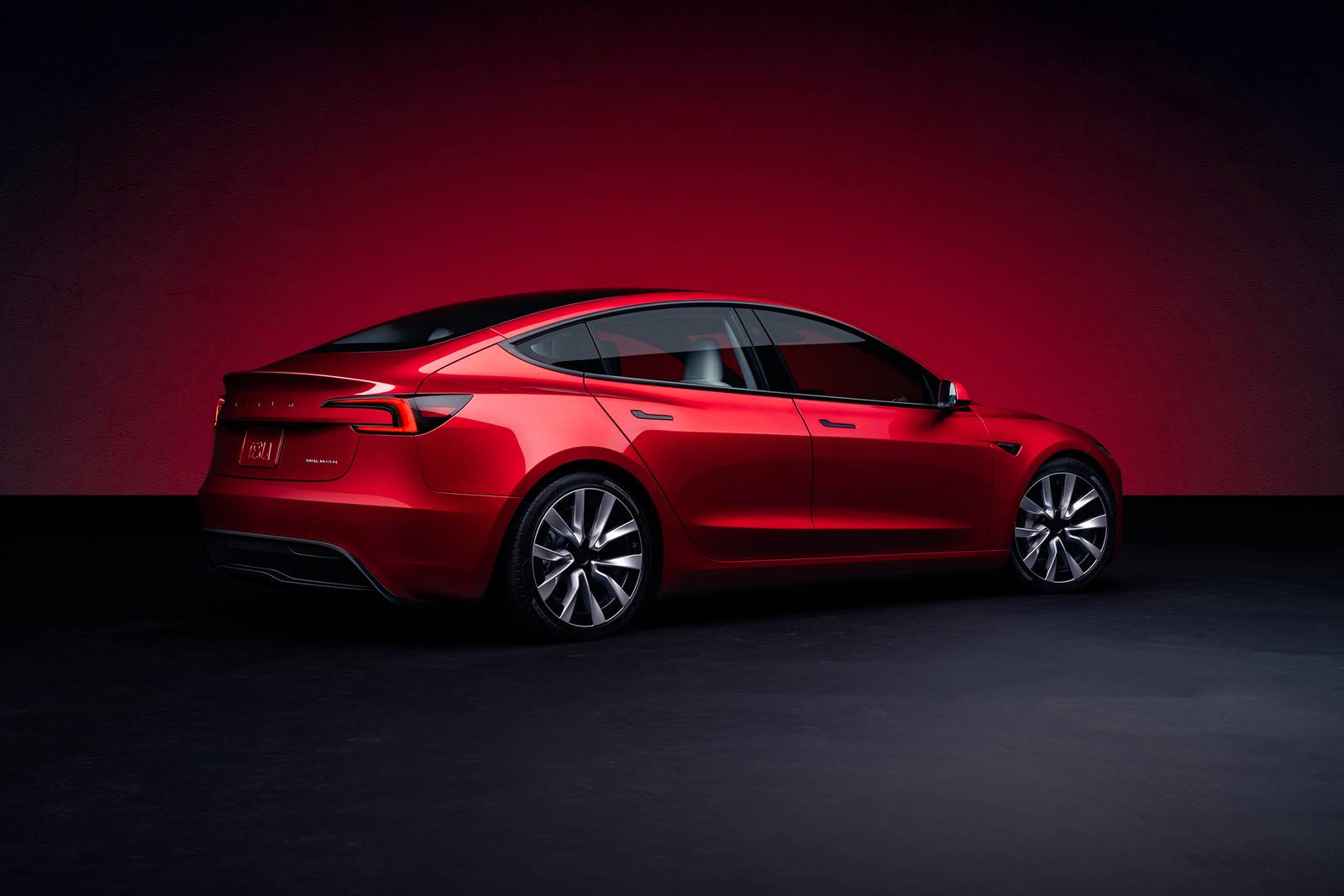
Every time an electric vehicle catches fire, it makes headlines. Tesla fire videos go viral. Social media erupts with warnings about "EV dangers." But here's what the media rarely mentions: electric vehicles are actually 61 times less likely to catch fire than gasoline-powered cars.
That doesn't mean EV battery fires aren't a real concern—they absolutely are. The Chevrolet Bolt recall cost General Motors $1.8 billion to replace every battery pack. Hyundai Kona Electric owners were told to park outside. These were serious, legitimate safety crises that affected hundreds of thousands of vehicles.
But if you're deciding whether EVs are "too dangerous" to buy, you need the actual data—not the sensationalized headlines. This comprehensive analysis examines real fire statistics, major EV battery recalls, what makes these fires different from gasoline fires, and what the numbers actually tell us about EV safety.
The Reality Check: Fire Statistics by the Numbers
Let's start with the headline data that rarely makes headlines:
Source: National Transportation Safety Board (NTSB) data analyzed by AutoinsuranceEZ and the National Fire Protection Association (NFPA).
What This Means in Context
According to the NFPA and U.S. Department of Transportation, approximately one vehicle fire occurs in the United States for every 18-19 million miles traveled for gasoline vehicles. For Teslas specifically, the company reports one fire for every 209 million miles driven—more than 10 times safer per mile.
Between 2010 and June 2024, there were approximately 500 battery-related fires in light-duty EVs globally, from an estimated 40 million EVs operating worldwide. That's a 0.00125% incident rate.
For comparison, according to the U.S. Fire Administration, there are approximately 171,500 vehicle fires annually in the United States alone—the vast majority involving gasoline-powered vehicles.
Why Hybrids Have the Highest Fire Rate
The data reveals a surprising finding: hybrid vehicles have the highest fire rate of all vehicle types at 3,475 fires per 100,000 vehicles—more than twice the rate of gasoline cars.
Why? Hybrids combine both risk factors:
- Gasoline fuel systems (the primary cause of vehicle fires)
- High-voltage battery systems (adding electrical fire risk)
- Complex dual powertrains with more components that can fail
The takeaway: having both a combustion engine AND a battery creates more failure points, not fewer.
Major EV Battery Fire Recalls: The Real Story
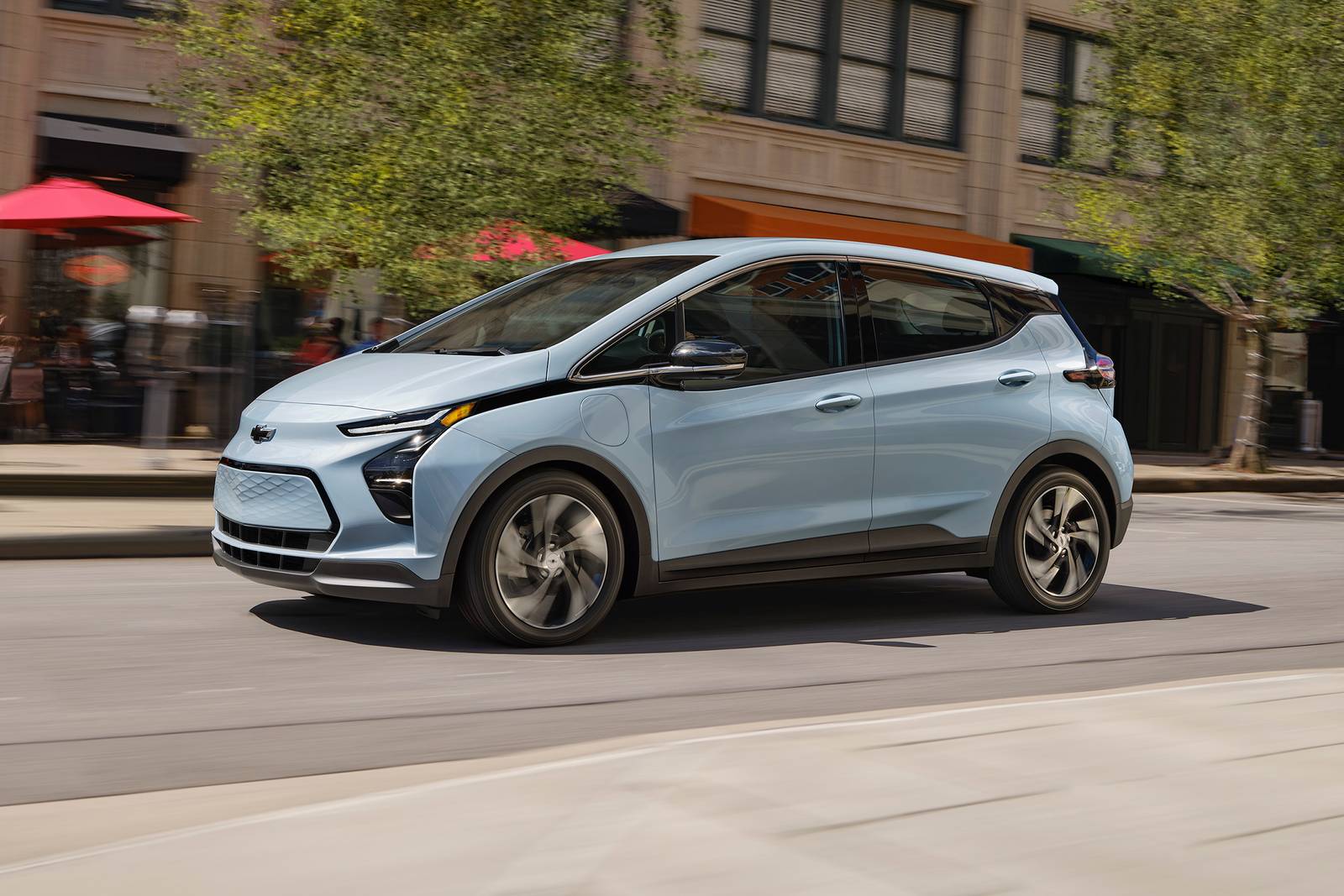
While overall EV fire rates are dramatically lower than gas cars, several high-profile recalls have addressed legitimate battery fire risks. Here are the major incidents:
Chevrolet Bolt EV & EUV (2017-2022): The Largest EV Recall
THE BOLT CRISIS
Vehicles Affected: 141,000+ Chevrolet Bolt EVs (2017-2022) and Bolt EUVs (2022)
Cost: $1.8 billion to GM ($1.9 billion reimbursement from LG Energy Solution)
Root Cause: Two simultaneous LG Chem battery manufacturing defects (torn anode tab and folded separator)
Risk: Battery fire when charged to full or near-full capacity
Solution: Complete battery pack replacement for every affected vehicle
The Chevrolet Bolt recall is the largest and most expensive EV battery recall in history. GM and LG identified that certain battery cells manufactured at LG Chem's Ochang, South Korea plant contained two rare manufacturing defects that, when present simultaneously, could cause an internal short circuit.
The Timeline:
- November 2020: Initial recall of 68,667 vehicles (2017-2019 Bolt EVs)
- July 2021: Expanded to 73,000 vehicles after additional fires
- August 2021: Massive expansion to all 141,000 Bolt EVs and EUVs ever built
- October 2021: LG agrees to reimburse GM up to $1.9 billion
Interim Safety Guidance (Before Repairs):
- Charge only to 90% capacity (later reduced to 80%)
- Do not deplete battery below 70 miles of remaining range
- Park vehicle outside immediately after charging
- Do not charge overnight
The "Do Not Park Indoors" Warning:
For months while GM scrambled to produce replacement battery packs, Bolt owners were instructed to park their vehicles outside and away from structures. This unprecedented guidance reflected the genuine severity of the defect—at least 17 confirmed fire incidents occurred, including vehicles that were parked and not charging.
Owner Compensation:
In addition to free battery replacement, Bolt owners received a $150 million class-action settlement providing $700 to $1,400 per affected owner for inconvenience and lost vehicle value.
The Silver Lining:
Once battery packs were replaced with corrected units manufactured at LG's Michigan facility, the Bolt became one of the safest EVs on the road. The replacement batteries had no known defects, and many owners report the new packs actually provide better range than the originals.
Hyundai Kona Electric & Ioniq Electric (2019-2020)
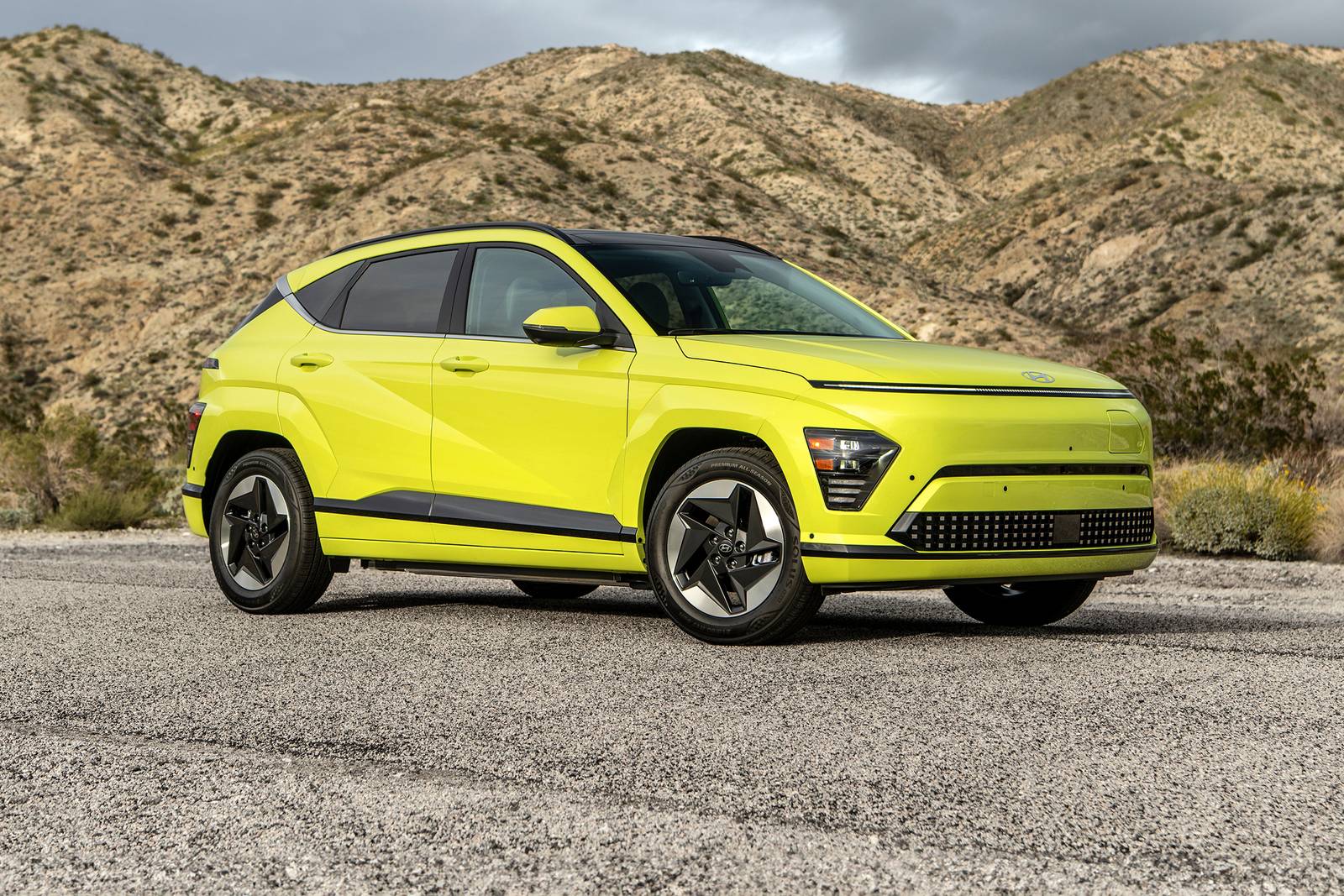
Vehicles Affected: Approximately 82,000 vehicles worldwide (4,700 in the U.S.)
Issue: Lithium-ion battery cells produced with internal damage at LG Chem's China plant could experience electrical short circuits, increasing fire risk.
Known Incidents: More than a dozen Kona Electric vehicles caught fire internationally, including vehicles that were parked and not charging.
Safety Guidance:
- Park vehicles outside and away from structures until repair
- Avoid charging to 100% battery capacity
- Software update installed to limit charging
Resolution: Hyundai replaced entire battery packs free of charge beginning April 30, 2021. The recall began in South Korea and expanded to the U.S., Canada, and Europe. Unlike GM's situation, Hyundai absorbed the full cost of the recall rather than seeking reimbursement from LG.
Recall Details:
- NHTSA Recall #: 21V224000 and 21V225000
- Affected Years: 2019-2020 Kona Electric, 2020 Ioniq Electric
- Estimated Cost: Over $900 million
BMW i3 (2014-2018): Fuel Tank Vent Line Issue
While not strictly a battery fire issue, certain 2014-2017 BMW i3 REx (range-extender) hybrid electric vehicles experienced a recall because the fuel tank vent line could rub against the battery positive cable protection sleeve, potentially causing a fuel vapor leak.
Additionally, certain 2018 BMW i3 vehicles were recalled because capacitors within the TurboCord Portable Chargers could fail, creating a shock hazard or potential fire risk.
Note: The BMW i3's battery system itself did not have a major fire recall comparable to the Bolt or Kona.
Ford Mustang Mach-E (2021-2022): Overheating Battery Contactors
Vehicles Affected: Approximately 48,924 extended-range and GT models built May 27, 2020 – May 24, 2022
Issue: High-voltage battery main contactors could overheat during repeated DC fast charging and wide-open-pedal acceleration events, potentially causing contactor deformation and loss of motive power.
Critical Difference: Unlike the Bolt and Kona, Ford did NOT issue a "Do Not Drive" or "Park Outside" advisory for most affected vehicles.
Safety Guidance:
- Limit repeated back-to-back wide-open-pedal accelerations
- Use DC fast charging only when necessary
- Software update provided to manage thermal conditions
Known Incidents: Ford stated it was "not aware of any reports of accident, injury, or fire related to this condition."
Recall Status: Repairs involve software updates to monitor and manage battery temperatures more conservatively.
Nissan Leaf (2019-2022): DC Fast Charging Overheating
Vehicles Affected: Approximately 43,000 second-generation Leaf EVs (2019-2022)
Issue: Lithium-ion batteries could generate excessive lithium deposits within cells, increasing electrical resistance. During DC fast charging, this resistance could create significant heat, potentially leading to battery fire.
Safety Guidance: Avoid or minimize use of DC fast charging (Level 3 charging)
Resolution: Nissan issued software updates to monitor battery conditions and implemented fixes to address the lithium deposition issue.
Important Context: Early-generation Nissan Leaf models (2011-2017) did NOT have battery fire recalls. The issue affected only newer, second-generation vehicles with different battery chemistry.
EV Battery Fire Statistics: The Data vs. The Perception
| Metric | Electric Vehicles | Gasoline Vehicles | Source |
|---|---|---|---|
| Fire Rate (per 100k vehicles) | 25 | 1,530 | NTSB/AutoinsuranceEZ |
| Fire Rate (per mile) | 1 per 209M miles (Tesla) | 1 per 19M miles | Tesla/NHTSA |
| Total U.S. Vehicle Fires (annual) | ~500 total (2010-2024) | ~171,500 annually | U.S. Fire Administration |
| Fire Incident Rate | 0.00125% (global EVs) | ~0.1% (U.S. estimate) | EV Fire Safe |
| Risk Ratio | 1x (baseline) | 61x higher | NTSB Analysis |
Key Insight: You are statistically 61 times more likely to experience a vehicle fire in a gasoline car than in an electric vehicle.
Why the Perception Doesn't Match Reality
1. Media Amplification
When a Tesla catches fire, it's international news. When one of the 470 gasoline vehicle fires that happen every single day in the U.S. occurs, nobody notices. This creates a massive perception bias.
2. Novelty Effect
EV fires are still relatively rare and novel, making them newsworthy. A gasoline car fire is so common it's considered routine.
3. Spectacular Failure Mode
When EVs do catch fire, the incidents can be dramatic and difficult to extinguish, generating compelling footage that goes viral. This creates an availability bias—people remember dramatic EV fires while forgetting the thousands of unremarkable gas car fires.
4. Confirmation Bias
People skeptical of EVs are more likely to share and amplify negative stories about EV fires, while ignoring contradictory data showing EVs are safer.
Major EV Battery Fire Recalls: Complete Table
| Manufacturer | Model | Years | Units Affected | Issue | Status |
|---|---|---|---|---|---|
| Chevrolet | Bolt EV/EUV | 2017-2022 | 141,000 | LG Chem battery defects (torn anode, folded separator) | Complete battery replacement |
| Hyundai | Kona Electric | 2019-2020 | ~82,000 (global) | LG Chem battery cell damage | Complete battery replacement |
| Hyundai | Ioniq Electric | 2020 | Part of Kona recall | LG Chem battery cell damage | Complete battery replacement |
| Ford | Mustang Mach-E | 2021-2022 | ~48,924 | Battery contactor overheating | Software update |
| Nissan | Leaf | 2019-2022 | ~43,000 | Lithium deposits, fast-charge overheating | Software update |
| BMW | i3 REx | 2014-2017 | Limited | Fuel vent line (not battery) | Fuel line rerouting |
Total Vehicles Recalled for Battery Fire Risk: Approximately 315,000 globally
Context: This represents roughly 0.79% of the estimated 40 million EVs on the road worldwide as of 2024.
The Chevy Bolt Crisis: A Deep Dive
The Chevrolet Bolt recall deserves special attention as the most expensive and comprehensive EV recall in history. Understanding what went wrong—and how it was resolved—provides critical insights into EV battery safety.
The Manufacturing Defects
GM and LG identified two simultaneous rare manufacturing defects in battery cells:
1. Torn Anode Tab
- During manufacturing, the thin copper anode tab could tear
- The torn edge created a sharp point inside the battery cell
- This sharp edge could puncture the separator membrane between anode and cathode
2. Folded Separator
- The separator membrane between anode and cathode could fold during assembly
- A folded separator has less material protecting against internal short circuits
- Combined with a torn anode tab, this created a high-risk scenario
Why Both Defects Were Needed:
Either defect alone was unlikely to cause a fire. But when BOTH defects occurred in the same cell:
- The torn anode tab created a sharp internal point
- The folded separator provided less protection
- When fully charged, the sharp anode could puncture through the compromised separator
- This created an internal short circuit, leading to thermal runaway and fire
The Fire Incidents
At least 17 confirmed Bolt fire incidents occurred:
- Some vehicles were charging when fire started
- Others were parked and not connected to chargers
- Multiple fires occurred in garages, damaging homes
- No confirmed deaths, but significant property damage
The Pattern:
- Most fires occurred when batteries were at or near 100% charge
- Several happened within 24 hours of a full charge
- The defect was essentially a ticking time bomb—some cells had both defects and simply hadn't failed yet
The $1.8 Billion Solution
GM's response was comprehensive and unprecedented:
1. Replace Every Single Battery Pack
- Not just affected cells—entire 60 kWh battery packs
- New packs manufactured at LG's Michigan plant with corrected processes
- Zero-cost to owners (parts and labor)
2. Interim Safety Measures
- Software updates to limit charging to 80-90%
- "Park outside" guidance for all owners
- Free charging at GM's expense while limited to 80%
- Extended warranty on replacement batteries
3. Production Changes
- Moved battery production to LG's Michigan facility
- Implemented additional quality control testing
- Added X-ray inspection of battery cells
- Enhanced manufacturing process controls
4. Financial Accountability
- LG Energy Solution reimbursed GM up to $1.9 billion
- GM absorbed initial costs and managed recall logistics
- Class-action settlement provided additional owner compensation
Lessons Learned
The Bolt recall demonstrated both the risks and the accountability systems in the EV industry:
Positive Takeaways:
- Manufacturers take battery safety extremely seriously
- Financial consequences are severe enough to ensure quality control
- Recalls are comprehensive—GM didn't cut corners
- Replacement batteries have proven safe with no subsequent issues
Ongoing Concerns:
- Battery manufacturing quality control is critical
- Multiple suppliers create variable risk profiles
- Early detection of defects is challenging
- Owner compliance with interim guidance can be difficult
Current Status: Post-Recall
Chevrolet Bolt EVs with replacement batteries installed have had zero fire incidents related to battery defects. The recall, while expensive and inconvenient, successfully eliminated the risk.
GM discontinued Bolt production in 2023, but plans to relaunch the model on the Ultium battery platform in the future with entirely different battery technology.
If you're buying a used Bolt: Verify that the battery recall has been completed. This is crucial—unremediated Bolts still carry the original fire risk.
Tesla Fire Incidents: Myth vs. Reality
Tesla fires generate more media coverage than any other EV fires, but what do the actual numbers show?
The Statistics
Tesla's Official Data:
- One fire per 209 million miles driven (2012-2024)
- Compare to: one fire per 19 million miles for all U.S. vehicles
- ~10 fire incidents reported in 2024 involving Tesla vehicles
- Most fires occurred due to severe crash damage, not spontaneous battery failure
Types of Tesla Fires
1. Crash-Related Fires
The majority of Tesla fires occur after severe collisions that would likely cause fires in gasoline vehicles as well. When a vehicle crashes at high speed:
- Battery pack can be physically damaged or punctured
- Cells experience mechanical stress leading to internal shorts
- Thermal runaway can occur in damaged cells
Key Context: Gasoline vehicles also catch fire in severe crashes when fuel tanks rupture or fuel lines break. The difference is Tesla fires often receive more coverage.
2. Charging-Related Fires
A small number of fires have occurred while vehicles were charging:
- Some linked to damaged charging equipment
- Others to improper installation of home charging stations
- Very few related to actual Tesla charging hardware defects
3. Manufacturing Defects
Tesla has issued recalls for specific manufacturing issues:
- Certain 2021 Model S/X vehicles: Front and rear harnesses may not be secured properly
- Battery management system software updates
- Pyrotechnic disconnect issues
Critical Point: Tesla has NOT had a comprehensive battery pack recall comparable to the Chevy Bolt. The fire rate per vehicle and per mile remains extremely low.
Notable Tesla Fire Cases
Case Study: The Florida Tesla Fire (2018)
A Tesla Model S crashed into a tree at high speed, causing severe battery damage and fire. The fire was difficult to extinguish and reignited hours later. This case was widely covered and raised concerns about EV fires.
What's Often Missed:
- The crash was extremely severe—would likely have caused fire in any vehicle
- Driver survived the initial impact (vehicle structure performed as designed)
- First responders needed to learn new techniques for EV fires
- This incident led to improved firefighter training protocols
Tesla's Fire Prevention Systems
Active Battery Management:
- Continuous monitoring of cell temperatures
- Individual cell voltage tracking
- Automatic cooling system activation
- Power limitation if overheating detected
Physical Protection:
- Armored underbody protection
- Battery pack enclosed in reinforced housing
- Cells isolated from passenger cabin
- Venting systems to direct gases away from occupants
Software Safety:
- Over-the-air updates can improve battery management
- Predictive algorithms detect abnormal cell behavior
- Charging rates automatically adjusted based on battery condition
Should You Worry About Tesla Fires?
The Data Says No:
With one fire per 209 million miles driven, your Tesla is statistically 11 times less likely to catch fire than the average gasoline vehicle. You're far more likely to experience a fire in a gas car than in a Tesla.
But Be Aware:
- Severe crash damage can lead to fire (true for all vehicles)
- Proper charging installation is critical
- Follow recall guidance if your vehicle is affected
- Maintain the vehicle per manufacturer recommendations
Why EV Fires Are Different (But Not More Dangerous)
While EVs are statistically less likely to catch fire, when they do burn, the fires have different characteristics than gasoline vehicle fires.
Thermal Runaway: The Core Problem
What Is Thermal Runaway?
Thermal runaway is a self-reinforcing chain reaction in lithium-ion batteries:
- Initial Trigger: Internal short circuit, physical damage, overcharging, or manufacturing defect
- Heat Generation: Electrical short creates heat inside the cell
- Chemical Reactions: Heat breaks down the Solid Electrolyte Interphase (SEI) layer
- Electrolyte Decomposition: Electrolyte breaks down, releasing flammable gases (ethylene, methane, hydrogen)
- Cathode Decomposition: Cathode materials release oxygen, feeding the fire
- Propagation: Heat from one failing cell causes adjacent cells to fail
- Escalation: Temperature rises from 212°F (100°C) to 1,800°F (1,000°C) in seconds
The Self-Sustaining Problem:
Once thermal runaway begins, it generates its own oxygen supply. This means:
- Fire continues even when external oxygen is cut off
- Standard fire suppression techniques are less effective
- The fire can reignite hours or even days later as adjacent cells reach failure temperature
EV Fires vs. Gasoline Fires: Key Differences
| Characteristic | EV Fire | Gasoline Fire |
|---|---|---|
| Temperature | ~5,000°F (2,760°C) | ~1,500°F (815°C) |
| Water Needed | 20,000-40,000 gallons | 2,000 gallons |
| Duration | Hours to days | Minutes to hours |
| Reignition Risk | High (can reignite 24-48 hours later) | Low |
| Toxic Gases | Hydrogen fluoride, CO, hydrogen | CO, hydrocarbons |
| Warning Signs | Often none (silent failure) | Fuel smell, visible leak |
| Extinguishing Method | Drowning (massive water) | Foam/water combination |
Why EV Fires Are Harder to Fight
1. Temperature
EV battery fires burn at approximately 5,000°F—more than three times hotter than gasoline fires. This extreme temperature:
- Melts standard firefighting equipment
- Requires special personal protective equipment
- Can damage nearby structures more severely
- Makes rescue operations more dangerous
2. Water Requirements
Extinguishing an EV fire requires 20,000 to 40,000 gallons of water—10 to 20 times more than a gasoline fire. Fire departments must:
- Bring multiple tanker trucks
- Establish water relay systems
- Sometimes submerge entire vehicle in water
- Monitor for reignition for 24-48 hours
3. Reignition Risk
Even after appearing extinguished, EV fires can reignite hours or days later as thermal runaway propagates through the battery pack:
- Individual cells fail sequentially, not simultaneously
- Heat from extinguished cells can trigger adjacent cells
- The pack must cool completely before risk is eliminated
- Vehicles often must be stored in isolated areas
4. Toxic Gas Emissions
Burning lithium-ion batteries release toxic gases:
- Hydrogen fluoride (HF): Highly toxic, corrosive
- Carbon monoxide (CO): Asphyxiant
- Hydrogen gas: Explosive in confined spaces
- Volatile organic compounds: Respiratory irritants
First responders need specialized breathing equipment and gas detection devices.
Firefighter Training & Response Protocols
Fire departments worldwide have had to develop new protocols for EV fires:
Identification:
- Recognize EV badges and charging ports
- Check emergency response guides for battery location
- Approach with caution—high voltage risk
Suppression:
- Use massive amounts of water directly on battery pack
- Do NOT use foam (ineffective against lithium battery fires)
- Continue water application until pack temperature drops below 200°F
- Never attempt to open battery pack housing
Post-Fire:
- Isolate vehicle from structures and other vehicles
- Monitor temperature for 24-48 hours
- Submerge in water tank if available
- Consult manufacturer for safe disposal procedures
Positive Development: Firefighter training has improved dramatically since 2020. Most departments near EV-heavy areas now have specific EV fire protocols and equipment.
But Here's the Critical Point
While EV fires are harder to fight, they're 61 times less likely to happen in the first place.
You're far more likely to deal with a gasoline fire (more frequent, but easier to manage) than an EV fire (rare, but more complex). The risk-reward calculation strongly favors EVs.
Warning Signs of EV Battery Problems
Most EV fires don't happen without warning. Here are signs your battery may be developing problems:
Early Warning Signs
1. Unusual Battery Behavior
- Unexpectedly rapid battery drain
- Charging takes much longer than normal
- Battery not reaching full charge
- Range significantly decreased (beyond normal degradation)
2. Physical Symptoms
- Swelling or bulging of battery pack area
- Unusual odors (chemical, burning, or sweet smells)
- Hissing or popping sounds
- Visible damage to underbody or battery housing
3. Dashboard Warnings
- Battery warning lights
- "Service Battery System" messages
- Temperature warning indicators
- Reduced power notifications
4. Thermal Issues
- Vehicle unusually hot after charging or driving
- Cabin heating up when vehicle is off
- Excessive heat from floor or seats
- Cooling fan running when vehicle is parked
Immediate Actions if You Suspect Battery Issues
⚠️ IF YOU SUSPECT BATTERY PROBLEMS
- Stop driving immediately if warning lights appear or unusual symptoms occur
- Park in open area away from structures, other vehicles, and combustibles
- Do not charge the vehicle until inspected by qualified technician
- Contact manufacturer immediately for guidance and towing
- Document symptoms with photos/videos for service records
- Check for open recalls using your VIN
Battery Maintenance Best Practices
Prevent Problems Before They Start:
1. Follow Manufacturer Charging Guidance
- Avoid regular charging to 100% (unless needed for trip)
- Don't regularly deplete to 0%
- Optimal daily range: 20-80% state of charge
- Use scheduled charging to avoid extreme temperatures
2. Temperature Management
- Park in shade during extreme heat when possible
- Precondition battery before driving in cold weather
- Allow battery to cool after fast charging before parking in garage
3. Regular Inspections
- Annual inspection of underbody and battery housing
- Check for damage after driving on rough roads
- Inspect charging port for corrosion or damage
- Monitor charging equipment condition
4. Software Updates
- Keep vehicle software current (many updates improve battery management)
- Don't delay manufacturer-recommended updates
- Pay attention to battery-related update descriptions
5. Respond to Recalls Promptly
- Check VIN regularly for new recalls
- Don't delay battery-related recalls
- Follow interim guidance until repairs completed
Insurance and Safety Implications
Insurance Rates and EV Fires
Do EVs Cost More to Insure Due to Fire Risk?
Short Answer: Not significantly, but EVs do typically cost 15-25% more to insure—primarily due to repair costs, not fire risk.
Why EVs Cost More to Insure:
- Higher vehicle purchase prices
- More expensive parts (especially battery replacements)
- Fewer qualified repair shops
- Battery damage often totals the vehicle
- Specialized training required for technicians
The Fire Risk Factor:
Insurance actuaries have access to the same data we've presented—EVs have dramatically lower fire rates than gas cars. Fire risk actually favors lower EV insurance premiums, but it's outweighed by repair cost concerns.
Total Loss Declarations
When Battery Damage Totals a Vehicle:
Even minor damage to an EV battery pack can result in a total loss declaration:
Why?
- No cost-effective way to repair individual cells in sealed packs
- Safety liability: insurers won't risk partial repairs
- Replacement packs cost $5,000-$20,000+
- Often exceeds vehicle value for older EVs
Example: A 2019 Nissan Leaf with minor underbody damage that cracks battery housing might be totaled even if drivable, because insurance won't risk battery integrity issues.
The Positive Side: Comprehensive battery warranties (typically 8 years/100,000 miles) mean manufacturers cover battery failures not resulting from accidents.
First Responder Training & Equipment
Fire departments have invested significantly in EV fire preparedness:
Equipment Upgrades:
- Specialized thermal imaging cameras
- High-capacity water tankers
- Battery fire blankets (smother and contain)
- Submersible containers for cooling
- Gas detection equipment
Training Programs:
- NFPA (National Fire Protection Association) EV courses
- Manufacturer-specific training (Tesla, GM, etc.)
- Hands-on simulation exercises
- Emergency response guide databases
Positive Trend: First responder readiness has improved dramatically since 2020. Most urban and suburban fire departments now have EV-specific protocols.
Legal and Liability Considerations
Manufacturer Responsibility:
The Bolt and Kona recalls demonstrate manufacturers are held financially accountable for battery defects:
- Complete battery replacement required, not patches
- Comprehensive safety guidance must be provided
- Financial penalties are severe (GM: $1.8B, Hyundai: $900M+)
Owner Responsibility:
EV owners have legal obligations:
- Respond to recall notices promptly
- Follow manufacturer safety guidance
- Maintain vehicles per recommended schedules
- Disclose recall status when selling
Seller Disclosure:
Some states require disclosure of open recalls when selling used vehicles. Check your state's requirements before purchasing a used EV.
The Future: Solid-State Batteries
The next generation of EV batteries promises to eliminate fire risk almost entirely.
What Are Solid-State Batteries?
Key Difference: Replace liquid electrolyte with solid electrolyte material
Current Lithium-Ion Batteries:
- Liquid organic electrolyte (flammable)
- Prone to leakage if damaged
- Can decompose and release gases
- Thermal runaway risk
Solid-State Batteries:
- Solid ceramic or polymer electrolyte
- Non-flammable
- Cannot leak
- Significantly more stable
- Resistant to thermal runaway
Safety Benefits
Near-Zero Fire Risk:
Solid-state batteries are described as "nearly impervious to fire" because:
- No flammable liquid solvents
- Solid electrolyte resists thermal decomposition
- Puncture tests show no fire or thermal runaway
- Perform safely in extreme temperatures
Real-World Testing:
Chery's new solid-state battery reportedly ran "flawlessly through a nail penetration test"—a test that would typically trigger thermal runaway in liquid electrolyte batteries.
Timeline: When Will You Get One?
2025:
- Mercedes-Benz road testing prototype solid-state battery packs
- Initial integration into premium, limited-production vehicles
- Demonstration fleets for specialized applications
2026:
- Factorial Energy/Stellantis demo fleet (Dodge Charger Daytona)
- Chery pilot program launch
- Second-generation solid-state batteries enter limited production
- Multiple manufacturers plan small-scale rollouts
2027-2030:
- Large-scale commercial rollout expected
- Prices becoming competitive with current lithium-ion
- 600+ mile range vehicles
- Dramatically faster charging (10-15 minutes to 80%)
Key Players:
- Toyota: Targeting 2027-2028 for solid-state EVs
- QuantumScape: Solid-state battery development (backed by VW)
- Solid Power: Partnering with BMW and Ford
- Samsung SDI: Pilot production announced for 2027
- Chinese manufacturers: Multiple companies in development race
Additional Benefits Beyond Safety
Performance Improvements:
- Range: 600-800+ miles per charge (double current EVs)
- Charging Speed: 10-15 minutes to 80% (vs. 30-45 minutes)
- Lifespan: 1,000,000+ miles potential lifespan
- Temperature Performance: Better cold-weather range
- Energy Density: 2-3x higher than lithium-ion
Economic Impact:
- Lower total cost of ownership
- Reduced insurance costs (less fire risk)
- Minimal degradation over lifetime
- Fewer safety recalls expected
What This Means for Current EV Buyers
Should You Wait?
Wait if:
- You don't need a vehicle immediately
- You prioritize absolute cutting-edge technology
- You want maximum range (800+ miles)
- Budget allows for premium early-adopter pricing
Buy Now if:
- You need a vehicle in the next 1-2 years
- Current EV range meets your needs (250-350 miles)
- You want proven, reliable technology
- You prefer lower purchase prices (current EVs will depreciate less than gas cars)
Reality Check: Solid-state batteries will initially appear in premium vehicles at premium prices. Affordable mass-market solid-state EVs are likely 5-7 years away (2028-2030).
Current lithium-ion EVs are already 61 times safer than gas cars for fire risk. Solid-state batteries will improve an already excellent safety record.
Should You Worry About EV Fires?
Let's synthesize all the data into actionable guidance.
The Risk Assessment
EV Fire Risk: Very Low (25 per 100,000 vehicles)
- 61 times lower than gasoline vehicles
- 139 times lower than hybrid vehicles
- 0.00125% global incident rate
Gas Car Fire Risk: High (1,530 per 100,000 vehicles)
- 171,500 fires annually in U.S. alone
- One fire per 19 million miles driven
- Most common cause of total vehicle loss
Conclusion: From a fire risk perspective, EVs are dramatically safer than gasoline vehicles.
When EV Fire Risk Is Higher
Specific Recalled Vehicles:
- Unremediated 2017-2022 Chevy Bolts (check recall status)
- 2019-2020 Hyundai Kona Electric (verify battery replacement)
- 2019-2022 Nissan Leaf with open DC charging recall
Action: Check VIN for open recalls before purchasing any used EV. Verify repairs completed.
Damaged Batteries:
- Vehicles with accident history involving underbody damage
- EVs driven through deep water
- Vehicles with visible battery housing damage
Action: Get pre-purchase inspection from EV-qualified mechanic. Avoid EVs with salvage titles or undisclosed accident history.
Improper Charging:
- DIY charging installations not to code
- Damaged charging equipment
- Extreme temperature charging without battery conditioning
Action: Use qualified electricians for home charging installation. Inspect charging equipment regularly.
Who Should Avoid EVs?
Very Few People:
- Those without access to charging (apartment dwellers with no workplace/public charging)
- People who regularly drive 400+ miles without breaks (limited fast-charging network access)
- Those in extreme cold climates without garage (range reduction in severe cold)
Fire risk should NOT be on your list of reasons to avoid EVs. You're statistically safer in an EV than a gas car.
Who Should Embrace EVs?
Almost Everyone Else:
- Homeowners with garages (ideal charging setup)
- Commuters driving <100 miles daily (never need public charging)
- Two-car households (EV for daily, gas for road trips)
- Safety-conscious buyers (lower fire risk, modern safety features)
- Environmental priorities (zero tailpipe emissions)
- Tech enthusiasts (software updates, advanced features)
The Bottom Line
The data is unambiguous: EVs are substantially safer than gasoline vehicles when it comes to fire risk.
Yes, the Chevy Bolt recall was expensive and inconvenient. Yes, EV fires are harder to extinguish when they occur. But you're 61 times less likely to deal with a fire in an EV than in a gas car.
When evaluating EV safety, focus on:
- Checking for open recalls (critical)
- Verifying repair history (especially battery work)
- Following manufacturer charging guidance (prevents issues)
- Maintaining vehicle properly (software updates, inspections)
Don't let sensationalized headlines about rare EV fires deter you from what is statistically the safer choice.
Frequently asked questions
Check Your EV for Recalls
Before purchasing any used electric vehicle, check for open battery-related recalls:
NHTSA VIN Lookup: https://www.nhtsa.gov/recalls
Cardog Recall Database: Search by make, model, and year for comprehensive recall history and safety information:
- Check EV Recalls on Cardog
- Tesla Recalls
- Chevrolet Recalls
- Hyundai Recalls
- Ford Recalls
- Nissan Recalls
Related Articles
Safety & Recalls:
- Ford Recall History: Most Common Issues and What Buyers Need to Know
- Takata Airbag Recall: Complete List of Affected Vehicles (Updated 2025)
Used Car Buying Guides:
- Best Toyota RAV4 Years: Which Model Years to Buy (and Avoid)
- Best Honda Accord Years: Which Model Years to Buy (and Avoid)
- Best Chevy Silverado Years: Which Model Years to Buy (and Avoid)
Market Research:
The Bottom Line: Electric vehicles are statistically 61 times safer than gasoline vehicles when it comes to fire risk. While specific recalls like the Chevy Bolt were serious and costly, they represent a tiny fraction of EVs on the road and have been comprehensively addressed. When making your vehicle purchase decision, fire risk should favor EVs, not deter you from them.
Check recalls, verify repair history, and enjoy the dramatically lower fire risk that comes with electric propulsion.