industry
Takata Airbag Recall: Complete List of Affected Vehicles (Updated 2025)
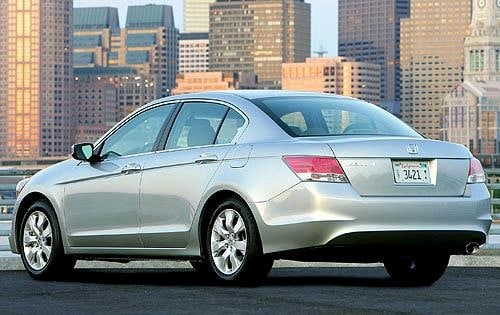
This is urgent. On October 31, 2025—just weeks ago—BMW issued yet another Takata airbag recall. Twelve years after the first recalls began, this crisis is still active. If you drive a vehicle manufactured between 2000 and 2018, you need to read this and check your VIN immediately.
The Takata airbag recall is the largest and deadliest automotive recall in history. What started as a regional safety concern has claimed at least 58 lives in the United States alone, injured more than 2,023 people, and affected over 100 million vehicles across 17+ manufacturers. The defect is horrifying: airbags designed to save your life can instead explode with such force that they spray metal shrapnel into the cabin, causing severe injuries or death.
This isn't theoretical. Real people have died in minor crashes that should have been survivable. A father hit a cow on a rural South Carolina road and bled to death from airbag shrapnel. A New Jersey husband died in a head-on collision not from the crash itself, but from the force of his own airbag exploding. A Virginia passenger waiting to make a left turn was killed when the stationary vehicle was struck.
If you own a Honda, Acura, BMW, Nissan, Ford, or dozens of other makes from the 2000s and 2010s, your vehicle may be affected. This comprehensive guide provides the complete list of affected vehicles, explains what went wrong, and tells you exactly what to do right now.
What Is the Takata Airbag Defect?
⚠️ THE DEFECT EXPLAINED
Problem: Takata used ammonium nitrate as a propellant in their airbag inflators. This chemical degrades over time, especially in heat and humidity.
What Happens: During a crash, when the airbag deploys, the degraded propellant explodes with excessive force. The metal inflator canister ruptures, shooting sharp metal fragments at high velocity into the vehicle cabin.
The Result: Shrapnel strikes occupants, causing lacerations, blindness, severe trauma, internal bleeding, and death.
The technical details are chilling. From official recall documentation (15E040000):
"The batwing-shaped propellant in some PSDI air bag inflators may rupture from exposure to persistent conditions of high absolute humidity and/or due to manufacturing variability. In the event of a crash necessitating deployment of the driver's frontal air bag, the inflator could rupture with metal fragments striking the driver or other occupants resulting in serious injury or death."
Why High Humidity Regions Are Especially Dangerous
Vehicles originally sold or currently registered in these regions face the highest risk:
- Florida (highest priority)
- Hawaii
- Puerto Rico
- U.S. Virgin Islands
- Guam, Saipan, American Samoa
- Gulf Coast states (coastal Louisiana, Mississippi, Alabama, Texas)
- Southern Georgia (counties adjacent to Florida)
The ammonium nitrate is hygroscopic—it absorbs moisture from the air. In humid environments, the chemical structure breaks down faster, making the explosive reaction more violent and unpredictable. But here's what's critical: even vehicles in dry climates eventually become unsafe. It just takes longer.
The Human Toll: Real Stories
Before we get to the numbers and lists, understand that these aren't statistics—they're human beings whose lives were cut short by a preventable defect.
South Carolina, December 2015
A man driving a 2006 Ford Ranger hit a cow on a rural highway. It should have been a minor crash. Instead, when the airbag deployed, metal shrapnel from the inflator penetrated his neck and caused fatal bleeding. Highway patrol investigators and the autopsy confirmed: the airbag killed him, not the collision.
New Jersey, January 2013
A husband driving a 2008 Honda Accord with his daughter was struck head-on by a drunk driver. The impact was severe, but witnesses expected survivors. Instead, the driver died from "blunt force trauma to chest—heart exploded due to force of airbag." Investigators found large pieces of plastic lodged in a briefcase in the vehicle. The family never received a recall notice until they checked years later—just days after the accident, the first Takata recalls were announced.
Georgia, May 2015
A woman driving a 2011 Honda Ridgeline on I-85 started drifting left, corrected, and the truck overturned. Two passengers escaped with minor injuries. She had to be cut from the vehicle and died 12 days later from trauma to her lungs. The recalls for this vehicle were dated February and May 2016—too late.
Virginia, January 2014
A 2006 Honda Accord was stationary, waiting to make a left turn, when it was struck. The passenger—a husband—died from his injuries. Not a high-speed crash. Not a violent collision. A survivable accident turned deadly by a defective airbag.
January 2015
A son driving a 2014 Jeep Patriot hit a tree. He was wearing his seatbelt and had no bodily injuries except a scratch on his leg. But the side airbag deployed, and a sharp metal object severed his artery. His mother wrote in her complaint: "There was no other cause for his artery to be severed, except for the airbag causing a piece of metal to sever his artery." The device meant to protect him killed him.
These are just five stories among at least 58 confirmed deaths in the United States. Thousands more were injured—some losing their sight, others suffering permanent disfigurement from shrapnel wounds.
By the Numbers: The Scope of the Crisis
This is three to four times larger than the previous largest recall in automotive history (the GM ignition switch recall affected about 30 million vehicles). The Takata crisis affects virtually every major automaker and spans more than 15 model years.
Complete Timeline: 1998-2025
The Early Years (1998-2012): Manufacturing the Defect
While the recalls didn't begin until 2013, Takata was manufacturing defective inflators throughout the 2000s. During this period:
- Takata became the dominant airbag supplier worldwide
- Ammonium nitrate inflators were installed in millions of vehicles
- The earliest inflators (2000-2004) are now known to be the most dangerous
- The first deaths potentially linked to Takata airbags occurred as early as 2006
Takata chose ammonium nitrate because it was cheaper than alternatives. This cost-cutting decision would eventually bankrupt the company and cost dozens of lives.
2013: The Crisis Begins
The modern Takata recall era began in February 2013:
- 95 Takata equipment recalls initiated
- 26 Honda recalls alone
- Initial scope: limited to high-humidity regions and specific model years
- Early recalls focused on Florida, Hawaii, and Gulf Coast states
At this stage, manufacturers and regulators believed this was a manageable, regional problem. They were wrong.
2014: Scope Expands Dramatically
The 2014 campaign revealed the true scale:
- Recall 14V353000 (June 20, 2014): Massive Honda/Acura recall
- 21 models affected
- 2,797,347 units
- Including 2003-2006 Accord, Civic, CR-V, Pilot, MDX
- 2003-2004 Odyssey, Element
- 2005 Acura RL
- 2006 Ridgeline
NHTSA and manufacturers realized this wasn't just a Honda problem or a regional problem—it was systemic.
2015: The Problem Metastasizes
Equipment recalls from Takata expanded to staggering numbers:
- 15E040000 (May 18, 2015): 52.8 million PSDI inflators
- 15E041000 (May 18, 2015): 7.7 million SPI inflators
- 15E042000 (May 18, 2015): 5.2 million PSPI inflators
- 15E043000 (May 18, 2015): 3.3 million PSPI inflators
Multiple automakers scrambled simultaneously to identify affected vehicles. The death toll began rising as more crashes revealed the severity of the defect.
2016: Peak Crisis Year
2016 saw the highest volume of recalls and the peak death toll:
- Multiple waves of 30+ recalls each
- 16E042000 (May 16, 2016): 51 million inflators across 6 types
- Toyota, Nissan, Mazda, Subaru all heavily involved
- 7-10+ deaths occurred in 2016 alone
- Massive media coverage brought public awareness
Parts shortages became critical. Owners were told to schedule repairs but then waited months or even years for replacement inflators to become available.
2017: Takata Collapses
On June 25, 2017, Takata Corporation filed for bankruptcy—the largest manufacturing bankruptcy in Japanese history.
- 17E034000 (July 10, 2017): 5.4 million PSDI-5 inflators
- Production of replacement parts disrupted
- Assets eventually sold to Joyson Safety Systems
- Criminal charges filed against Takata executives for concealing the defect
- Takata pleaded guilty to fraud
The bankruptcy occurred mid-crisis, when millions of vehicles still needed repairs. The parts supply chain nearly collapsed.
2018: Ongoing Replacement Efforts
Despite Takata's bankruptcy, recalls continued:
- 18E001000 (Jan 2, 2018): 6 million inflators
- 18E002000 (Jan 2, 2018): 7.5 million inflators
- Parts supply shortages worsened
- Death toll continued: 6+ deaths in 2018
Many owners were on waiting lists for 1-2 years for replacement parts.
2019: "Do Not Drive" Warnings Issued
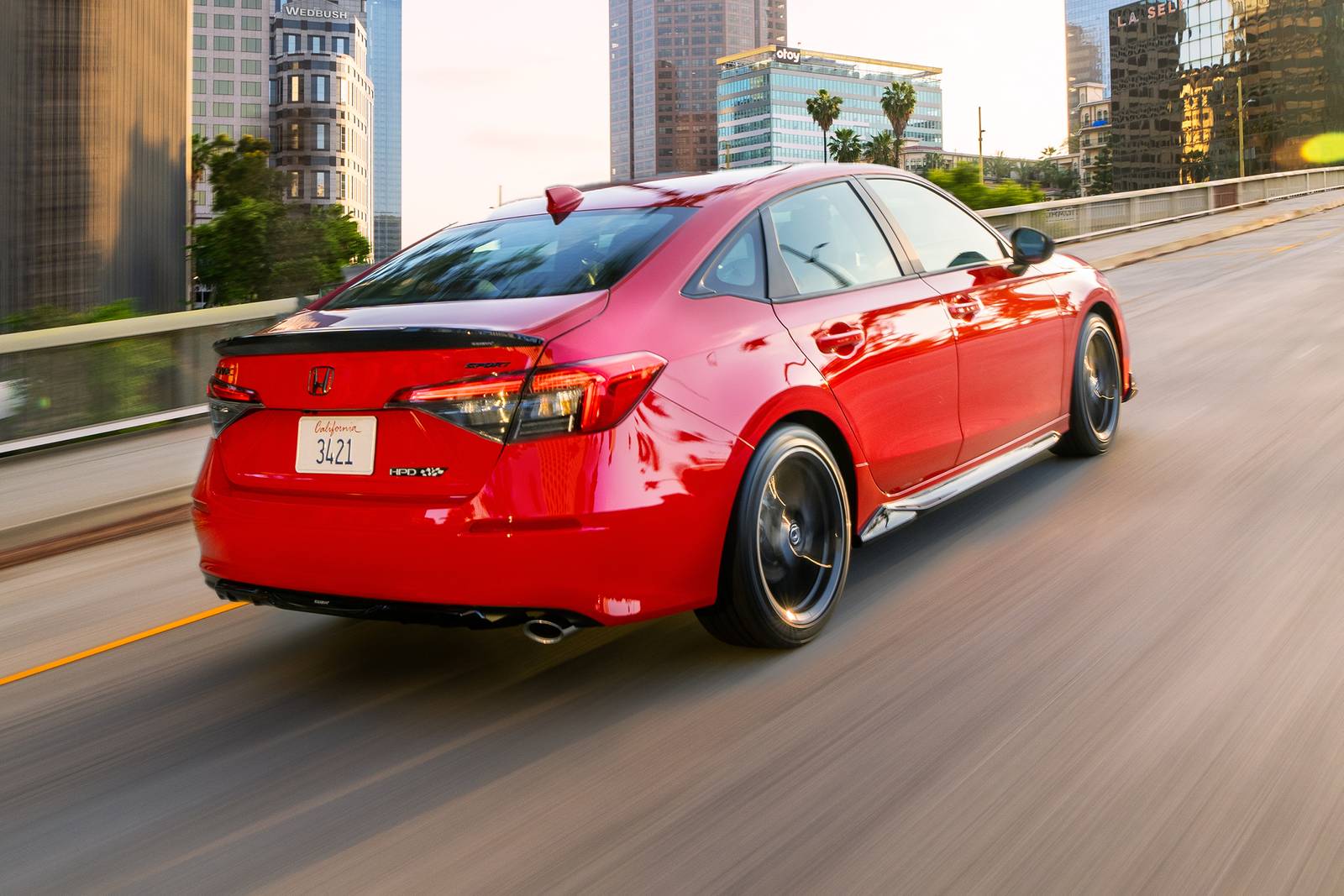
Honda took the unprecedented step of issuing "Do Not Drive" warnings—extremely rare in the automotive industry:
- 19V182000 (March 6, 2019): CRITICAL Honda/Acura recall
- 1.1+ million vehicles
- 93 model combinations
- Affects 2001-2016 vehicles
- These vehicles had received DEFECTIVE REPLACEMENT PARTS in prior recalls
- This "double recall" severely eroded public trust
BMW recalls began:
- 19V851000 (Nov 26, 2019): 7,910 units (1999 323i)
- 19V852000 (Nov 26, 2019): 34,396 units (various 323/328 models)
- 19V853000 (Nov 26, 2019): 74,185 units (24 BMW models, 1999-2006)
- 19E080000 (Nov 26, 2019): 1.4 million NADI inflators
2020: BMW Becomes Most-Recalled Manufacturer
BMW's involvement exploded in early 2020:
- 20V016000 (Jan 15, 2020): 13 models, 52,091 units
- 20V017000 (Jan 15, 2020): 113 model combinations, 6.7+ million units
- 20V018000 (Jan 15, 2020): 96 model combinations, 28+ million units
- BMW accumulated 280 total recall records (most of any manufacturer by count)
Other manufacturers also expanded:
- 20V008000 (Jan 9, 2020): Infiniti - 48 model-year combinations, 14.7+ million units
- 20V007000 (Jan 9, 2020): Ferrari - 458 Italia, California (4,910 units)
2021-2024: The Long Tail
Recalls continued at a slower pace:
- 21V401000 (May 27, 2021): BMW 3 Series (1999-2001, 108,264 units)
- Continued owner notification campaigns
- Parts supply improved but millions still unfixed
- VIN check campaigns intensified
2025: STILL ACTIVE
25V748000 (October 31, 2025): BMW issued a new recall for 10,722 units.
This recall crisis is not over. As of late 2025, new recalls are still being issued more than 12 years after the first recalls began. An estimated 15-25 million vehicles remain unfixed and are still being driven on roads today.
Complete List of Affected Vehicles by Manufacturer
Honda (Most Affected)
Honda was the earliest adopter of Takata inflators and has the highest number of affected vehicles:
- NHTSA Recalls: 75 recall records
- Total Units (NHTSA): 65,089,378
- Transport Canada Recalls: 254
- Canada Units: 86,059
Why Honda Was Hit Hardest: Honda had a long-term relationship with Takata and was an early adopter of their inflators. Many vehicles were recalled multiple times—first for the original defect, then again when replacement parts were also found to be defective.
| Model | Years Affected | Key Recall Numbers | Units Affected |
|---|---|---|---|
| Accord | 2001-2009 | 14V353000, 17V220000, 19V182000 | 9.2+ million |
| Civic | 2001-2005 | 14V353000, 19V182000 | 5.9+ million |
| Civic GX (Natural Gas) | 2001-2005 | 19V182000 | 5.5+ million |
| Civic Hybrid | 2003-2005 | 19V182000 | 3.3+ million |
| CR-V | 2002-2011 | 14V353000, 19V182000 | 9.2+ million |
| Element | 2003-2011 | 14V353000, 19V182000 | 10.1+ million |
| Fit | 2007 | 19V182000 | 1.1+ million |
| Odyssey | 2002-2004 | 14V353000, 19V182000 | 3.5+ million |
| Pilot | 2003-2008 | 14V353000, 19V182000 | 7.0+ million |
| Ridgeline | 2006-2014 | 14V353000, 19V182000 | 10.0+ million |
⚠️ URGENT: Honda/Acura Owners
If you own a 2001-2005 Honda Civic or 2001-2007 Honda Accord, check your VIN immediately. These are the highest-risk vehicles, and some were subject to "Do Not Drive" warnings.
Confirmed Deaths in Honda Vehicles:
- Multiple deaths in Honda Accord (1998, 2006, 2008 model years)
- Multiple deaths in Civic (2001, 2002, 2004)
- Death in Ridgeline (2011)
- Death in Insight (2010)
Check if your Honda is affected:
Acura (Honda Luxury Brand)
- NHTSA Recalls: 40 recall records
- Total Units: 40,188,052
- Transport Canada Recalls: 90
- Canada Units: 29,674
| Model | Years Affected | Key Recall | Units Affected |
|---|---|---|---|
| TL | 2002-2014 | 19V182000 | 12.1+ million |
| RDX | 2007-2016 | 19V182000 | 11.0+ million |
| MDX | 2003-2006 | 14V353000, 19V182000 | 4.8+ million |
| ILX (including Hybrid) | 2013-2016 | 19V182000 | 6.6+ million |
| ZDX | 2010-2013 | 19V182000 | 4.4+ million |
| CL | 2003 | 19V182000 | 1.1+ million |
| RL | 2005 | 14V353000 | Included in MDX count |
Nearly all Acura models from 2002-2016 are affected. Check your VIN:
BMW (Highest Number of Recall Records)
- NHTSA Recalls: 280 recall records (most of any manufacturer)
- Total Units: 37,072,766
- Transport Canada Recalls: 52
- Canada Units: 3,214
Why So Many Records? BMW had multiple recall campaigns targeting different inflator types and manufacturing date ranges, creating numerous model-year combinations in the database. The recalls came late (2019-2021), years after Honda and Toyota.
Major Affected Models:
| Model | Years Affected | Sample Recalls | Units Affected |
|---|---|---|---|
| 3 Series (all variants) | 1999-2013 | 19V851000-853000, 20V017000, 20V018000, 21V401000 | 20+ million (various trims) |
| 323i | 1999-2005 | Multiple | 2.3+ million |
| 325i | 1999-2011 | Multiple | 2.3+ million |
| 328i | 1999-2013 | Multiple | 2.5+ million |
| 330i | 1999-2011 | Multiple | 2.3+ million |
| 1 Series (128i, 135i, 1M) | 2008-2013 | 20V017000 | Included in 6.7M campaign |
| M3 | 2000-2013 | 20V018000, 20V017000 | 2.5+ million |
BMW Recall Timeline:
- November 2019: First major BMW recalls announced
- January 2020: Massive expansion (113 and 96 model combinations)
- May 2021: Additional 3 Series (1999-2001)
- October 2025: Latest recall still active
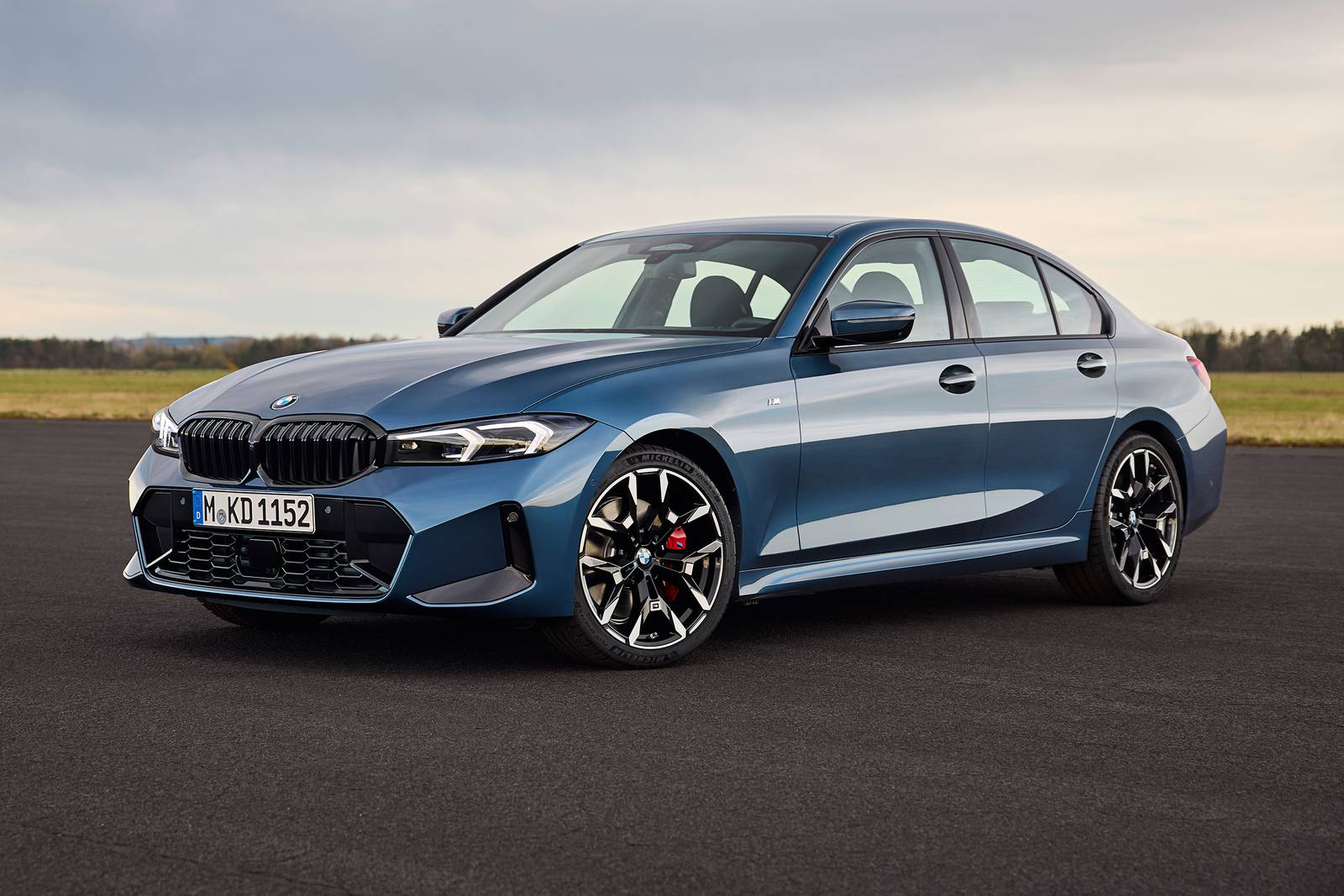
Check your BMW:
Nissan
- NHTSA Recalls: 27 recall records
- Total Units: 4,966,738
- Transport Canada Recalls: 24
- Canada Units: 2,544
| Model | Years Affected | Recalls | Units Affected |
|---|---|---|---|
| Sentra | 2002-2006 | 20V008000, 20V747000 | 1.5+ million |
| Versa | 2007-2011 | 20V008000 | 1.5+ million |
| Maxima | 2001-2003 | Multiple | 923,886 |
| Pathfinder | 2002-2004 | Multiple | 923,932 |
Death Case: 2011 Nissan Versa - passenger died two months after crash when airbag failed to deploy.
Check: Nissan Sentra Recalls
Infiniti (Nissan Luxury Brand)
- NHTSA Recalls: 33 recall records
- Total Units: 9,854,830
Major Campaign: 20V008000 (Jan 9, 2020) - 48 model-year combinations, 14.7+ million units
| Model | Years Affected | Units Affected |
|---|---|---|
| FX35/FX45 | 2003-2008 | 1.8+ million |
| M35/M45 | 2006-2010 | 1.5+ million |
| I30/I35 | 2001-2004 | 1.2+ million |
| QX4 | 2002-2003 | 615,970 |
Ford Motor Company
While Ford had relatively few NHTSA recalls, they had extensive Transport Canada recalls:
- NHTSA Recalls: Limited in primary search
- Transport Canada Recalls: 58 (55 airbag-specific)
- Canada Units: 508
Affected Models (Canada):
| Model | Years Affected | Recalls |
|---|---|---|
| Mustang | 2005-2011 | 18 |
| Fusion | 2006-2011 | 12 |
| Ranger | 2004-2011 | 11 |
| Edge | 2007-2010 | 8 |
| GT | 2005-2006 | 6 |
Death Cases:
- 2006 Ford Ranger (December 2015, South Carolina): Metal shrapnel from inflator killed driver who hit a cow. Autopsy confirmed airbag shrapnel as cause of death.
- 2005 Ford Explorer (April 2013): Airbags didn't deploy in head-on collision
Check: Ford Mustang Recalls
Mazda
- Transport Canada Recalls: 29 (12 airbag-specific)
- Canada Units: 1,368
Affected Models (Canada):
| Model | Years Affected | Recalls |
|---|---|---|
| Mazda6 | 2004-2008 | 5 |
| RX-8 | 2004-2008 | 5 |
| MazdaSpeed6 | 2006-2007 | 2 |
Chrysler/Dodge/Jeep/Ram (FCA/Stellantis)
Multiple brands under the FCA umbrella were affected:
Chrysler:
- 300: 2005-2007 (21 recalls, 2,334 units in Canada)
- Aspen: 2007 (6 recalls, 777 units)
- PT Cruiser: 2002 (1 death reported)
Dodge:
- Transport Canada Recalls: 147 (120 airbag)
- Canada Units: 13,551
| Model | Years Affected | Recalls | Units (Canada) |
|---|---|---|---|
| Ram | 1986-2007 | 39 | 3,189 |
| Durango | 2004-2007 | 30 | 3,114 |
| Dakota | 2005-2007 | 21 | 2,334 |
| Magnum | 2005-2007 | 21 | 2,334 |
| Charger | 2005-2007 | 15 | 2,328 |
Death Cases:
- Ram (multiple years): 3 deaths
- Ram 1500 (2003): 1 death
- Dakota (2002): 1 death
- Charger (2010): 1 death
Jeep:
- Grand Cherokee (2006): 3 deaths, 3 injuries (side impact, airbags didn't deploy)
- Patriot (2014): 1 death (side airbag metal severed artery)
General Motors (Chevrolet/GMC/Cadillac)
Chevrolet:
- NHTSA Recalls: 4 records
- Total Units: 2,796
- Transport Canada Recalls: 6
Death Cases (Concerning):
- Suburban (2015): 2 complaints, 4 deaths, 10 injuries
- Yukon (1999): 3 complaints, 3 deaths, 15 injuries
- Cobalt (2009): 3 complaints, 6 deaths
- Silverado 3500 (2010): 1 death
Cadillac:
- CTS (2005): 3 complaints, 3 deaths, 6 injuries
The death toll in GM vehicles is disproportionate to the number recalled, suggesting inadequate urgency in the recall response.
Luxury/Exotic Brands
Ferrari:
- NHTSA Recalls: 5 records (4,910 units)
- 458 Italia (2010-2011)
- California (2009-2011)
- Major Recall: 20V007000 (Jan 9, 2020)
Mercedes-Benz: No NHTSA recall records found in primary search, but death cases exist:
- GLK350 (2015): 3 complaints, 3 deaths
- CLA250 (2016): 2 complaints, 2 deaths, 2 injuries
Volkswagen/Audi:
VW:
- NHTSA Recalls: 8 records (1,808 units)
- Golf (2011-2014)
- Passat (2012-2015)
Audi:
- NHTSA Recalls: 3 records (678 units)
- A3 (2011-2013)
Toyota/Lexus
Surprisingly limited exposure:
Toyota:
- NHTSA Recalls: 1 record (2 units)
- 4Runner (2016)
- Corolla (2007): 1 death reported
Lexus:
- NHTSA Recalls: 1 record (2 units)
- GX460 (2017)
Toyota's limited involvement suggests they used different suppliers or different Takata inflator models not affected by the defect.
Other Affected Manufacturers
Mitsubishi: 32 records (primarily 1986-1991 vintage vehicles)
- Deaths in Montero (2002, 1999)
Subaru: Limited exposure (8 Transport Canada recalls)
- Justy (1987-1991)
- Loyale (1988-1990)
RV Manufacturers:
- Spartan Motors: 8 records (216 units)
- Forest River: 8 records (616 units)
- Coachmen: 8 records (616 units)
Most Dangerous Vehicles: Death & Injury Analysis
Vehicles with Highest Confirmed Death Counts
| Vehicle | Year | Deaths | Injuries | Notes |
|---|---|---|---|---|
| Chevrolet Cobalt | 2009 | 6 | 0 | Extremely high fatality rate |
| Chevrolet Suburban | 2015 | 4 | 10 | Recent model year |
| Chevrolet Yukon | 1999 | 3 | 15 | Multiple incidents |
| Cadillac CTS | 2005 | 3 | 6 | Luxury brand affected |
| Dodge Ram 2500 | 2003 | 3 | 0 | Work truck |
| Jeep Grand Cherokee | 2006 | 3 | 3 | Side impact, airbag failure |
| Mercedes-Benz GLK350 | 2015 | 3 | 0 | Luxury SUV |
Why Some Vehicles Were More Dangerous
1. Age of Inflator: Vehicles with inflators manufactured 2000-2004 had the highest failure rates. The ammonium nitrate degradation accelerates over time.
2. Geographic Location: Vehicles in Florida, Hawaii, and Gulf Coast states experienced faster degradation due to high humidity and heat.
3. Inflator Type: PSDI and PSPI inflators were the most problematic. "Alpha" inflators (earliest design) were most dangerous.
4. Driver vs. Passenger Side: Driver side inflator failures were more likely to cause death due to proximity.
5. Crash Severity: Disturbingly, many deaths occurred in minor to moderate crashes that should have been survivable. The airbag itself became the lethal threat.
High-Risk Regions: The Humidity Factor
From official recall documentation, these regions were designated as highest priority due to "areas of high absolute humidity":
Zone 1 - Critical (Highest Priority):
- Florida (entire state)
- Hawaii (all islands)
- Puerto Rico
- U.S. Virgin Islands
- Guam, Saipan, American Samoa
Zone 2 - High Priority: 6. Coastal Louisiana 7. Coastal Mississippi 8. Coastal Alabama 9. Coastal Texas (Gulf Coast counties) 10. Southern Georgia (counties adjacent to Florida)
Why These Regions?
The ammonium nitrate is hygroscopic—it absorbs moisture from the air. In hot, humid environments:
- Moisture penetrates inflator sealing
- Propellant absorbs water vapour
- Chemical structure breaks down
- The explosive reaction becomes more violent and unpredictable
But don't assume you're safe in a dry climate. All inflators eventually degrade; it just takes longer. Vehicles can also move between regions—a car registered in Arizona could have spent years in Florida.
Current Status: 2025
How Many Vehicles Are Still Affected?
Best Estimates:
- Total vehicles recalled: 65-70 million in the US
- Repairs completed: ~45-50 million (estimated)
- Still unfixed: 15-25 million vehicles
- Still on the road: 10-20 million (many junked/exported)
Why So Many Remain Unfixed?
- Owners haven't responded to recall notices
- Owners don't know (never received notice, bought used)
- Used car sales without recall disclosure
- Owner apathy ("hasn't failed yet" mentality)
- Parts delays (historical shortages, some still waiting)
- Lost owners (vehicles sold, owners moved, outdated contact info)
The "Double Recall" Scandal
In March 2019, Honda issued recall 19V182000 for 1.1+ million vehicles. The shocking revelation:
"The affected vehicles received a replacement driver air bag inflator as part of a previous Takata inflator recall remedy or a replacement driver air bag module containing the same inflator type as a service part. Due to a manufacturing error, in the event of a crash necessitating deployment of the driver frontal air bag, these inflators may explode."
Vehicles that had already been "fixed" needed to be fixed again because the replacement parts were also defective. This severely eroded public trust and left owners wondering: "Is my 'fixed' vehicle actually safe?"
Completion Rates by Manufacturer (Estimated)
Best Performers (70-80% completion):
- Honda/Acura (extensive outreach, oldest recalls, most mature process)
Good (60-70%):
- BMW (newer recalls but aggressive campaigns)
- Nissan/Infiniti
Fair (50-60%):
- GM brands
- Mazda
- Subaru
Needs Improvement (40-50%):
- Chrysler/Dodge/Jeep/Ram (Stellantis)
- Mitsubishi
- VW/Audi
Lower completion rates reflect poor owner tracking, inadequate outreach, and difficulty locating vehicles as they change hands.
What You MUST Do Right Now
✅ ACTION CHECKLIST
- Find your VIN (17 characters on dashboard, door jamb, or registration)
- Check for recalls immediately using methods below
- If affected, contact dealer TODAY
- Schedule repair ASAP (it's 100% FREE)
- Get loaner vehicle if available
- Do NOT delay - this could save your life
How to Check If Your Car Is Affected
Method 1: NHTSA VIN Lookup (Official)
- Go to: https://www.nhtsa.gov/recalls
- Enter your 17-character VIN
- Results show all open recalls including Takata
Method 2: Manufacturer Website
- Honda: owners.honda.com
- BMW: bmwusa.com/recall
- Nissan: nissanusa.com/recalls
- Toyota: toyota.com/recall
- Ford: ford.com/support/recalls
- Each manufacturer has a recall check tool
Method 3: Cardog VIN Check
Cardog's AI-powered platform cross-references both NHTSA and Transport Canada recall databases, showing you historical and active recalls for any vehicle. Check instantly:
Where to Find Your VIN:
- Driver side dashboard (visible through windshield)
- Driver side door jamb sticker
- Vehicle registration documents
- Insurance card
- Title
What the Results Mean
- "Recall open": Your vehicle HAS an unfixed Takata recall - GET IT FIXED NOW
- "Recall remedy available": Parts are in stock, schedule repair immediately
- "No open recalls": Either your vehicle wasn't affected OR recall already completed
If Your Car Is Affected
1. Don't Panic, But Don't Ignore
The risk is real, but not every airbag deployment results in failure. However, risk increases dramatically with:
- Vehicle age (2001-2005 models highest risk)
- Location (Florida, Hawaii, Gulf Coast)
- "Do Not Drive" warnings (50%+ rupture probability)
2. Contact Your Dealer IMMEDIATELY
- Find the nearest authorised dealer for your brand
- Call and say: "I have an open Takata airbag recall on my [year/make/model]"
- Ask: "Do you have replacement parts in stock?"
- Schedule appointment for the earliest available date
3. Ask About Interim Measures
While waiting for repair:
- Free loaner vehicle: Many manufacturers provide free loaners
- Free towing: If "Do Not Drive" warning, dealer may pay for tow
- Mobile repair: Some dealers offer mobile service to your location
- Rental reimbursement: Some manufacturers reimburse rental cars
4. Get It Fixed
- Repair is 100% FREE (parts + labour)
- Usually takes 1-3 hours
- Must be done at authorised dealer
- Brings vehicle into compliance and removes the risk
5. Keep Documentation
- Get receipt showing repair completed
- Keep for your records
- Important for resale value
- Proof you're not liable if selling vehicle
FOR "DO NOT DRIVE" WARNINGS
🚫 DO NOT DRIVE
If your vehicle has a "Do Not Drive" warning, the risk of airbag rupture is approximately 50%+ in a crash. This warning is extremely rare and indicates imminent danger.
IMMEDIATELY:
- Stop driving the vehicle
- Arrange free towing to dealer
- Request free loaner vehicle
- Do not wait
Affected by "Do Not Drive" warnings:
- 2001-2003 Honda Civic
- 2001-2007 Honda Accord (oldest years highest priority)
- 2002-2003 Acura TL
- Other vehicles in high-humidity states
Safety Precautions While Waiting for Repair
If you absolutely must drive before repair (not recommended):
1. Disable Passenger Airbag (If Possible)
- If only passenger side affected
- Check owner's manual for disable switch
- Sit children in back seat ALWAYS
2. Avoid High-Risk Scenarios
- Don't drive in extreme heat
- Park in shade when possible
- Minimise exposure to humidity
3. Consider Alternatives
- Walk/bike for short trips
- Public transportation
- Carpool with others in safe vehicles
- Borrow a vehicle without open recalls
- Rent a car (manufacturer may reimburse)
4. Get a Rental or Loaner
- Call manufacturer customer service
- Explain you have Takata recall and need loaner
- Many will provide at no cost, especially for high-risk vehicles
If You're Buying a Used Car
⚠️ CRITICAL FOR USED CAR BUYERS
BEFORE purchasing ANY used vehicle from 2000-2018:
- Get VIN from seller
- Run NHTSA recall check BEFORE purchasing
- Check Takata specifically
- Verify repair status or walk away
Your Options If Vehicle Has Open Takata Recall:
- Demand repair before purchase - Seller pays for dealer repair before sale
- Negotiate price reduction - Lower price to cover immediate dealer repair cost
- Walk away - Find a different vehicle without safety recalls
Red Flags:
- Seller refuses to provide VIN upfront
- Seller says "I'll fix it after sale" (you'll be stuck with it)
- Vehicle from Florida/Hawaii with open recall (highest risk)
- 2001-2005 Honda/Acura with open recall (Do Not Drive territory)
Your Rights:
- Some states require recall disclosure before sale
- Dealer sales: Must disclose open recalls in many states
- Private sales: Often no requirement, but you can refuse to buy
Never Buy:
- A vehicle with an open safety recall unless repaired first
- A vehicle with "Do Not Drive" warning under any circumstances
- A vehicle where seller won't provide VIN for checking
Check before you buy:
- Honda Accord Years to Avoid - includes Takata recall years
- Most Recalled Vehicles - context on recall frequency
Why It Took So Long
The Scale Was Unprecedented
100+ million vehicles affected worldwide. The previous largest recall (GM ignition switch) affected about 30 million vehicles—Takata was 3-4x larger. There was no playbook for managing a recall of this magnitude.
Parts Manufacturing Bottleneck
The industry needed 100+ million replacement inflators, but:
- Takata was the primary manufacturer
- Takata filed bankruptcy in June 2017 mid-crisis
- Alternative suppliers needed years to ramp up production
- Airbag inflators are safety-critical; testing requirements are extensive
- Manufacturing capacity was severely limited
From 2016-2018, some owners waited 1-2 years for replacement parts.
Finding All Affected Vehicles
The Tracking Problem:
- Vehicles change hands; new owners not in manufacturer databases
- Recall notices sent to old addresses
- Some states don't share registration data with manufacturers
- Privacy laws limit access to owner information
- US vehicles exported (especially to Mexico, Caribbean) - tracking impossible
Owner Non-Compliance
Many owners who received notices didn't respond:
- Don't understand urgency ("Just a recall, I'll do it later")
- Can't take time off work for repairs
- Don't want inconvenience of going to dealer
- Vehicle condition: older vehicle not worth much, don't care about fixing
- Distrust after "double recall" eroded confidence
- Told "no parts available" and gave up
Takata's Cover-Up
Takata executives:
- Knew about the problem for years before disclosing
- Destroyed testing data showing failures
- Misled regulators and automakers
- Faced criminal charges and Takata Corporation pleaded guilty to fraud
Years were lost to this cover-up, allowing the problem to worsen.
Regulatory Process Delays
- NHTSA formal investigations take time
- Coordination across 17+ manufacturers, each with own processes
- Regional expansion (high-humidity states first, then national, then international) required multiple regulatory approvals
Lessons Learned & Industry Changes
What Went Wrong
- Single supplier dominance: Too many automakers relied exclusively on Takata
- Inadequate testing: No long-term degradation or climate exposure testing
- Cost-cutting over safety: Takata chose cheaper ammonium nitrate over safer alternatives
- Regulatory gaps: No requirement to test airbags for aging; inflators considered "lifetime" parts
- Cover-up culture: Takata actively hid the problem
- Inadequate tracking: No way to force owner compliance or track vehicles across sales
What Changed
Component Testing Requirements:
- Long-term degradation testing now required
- Climate exposure testing mandatory
- Regular re-certification needed
- FDA-like approval process for safety components
Supplier Diversity:
- Automakers now multi-source safety components
- No single supplier for critical systems
- Reduces systemic risk
Airbag Technology:
- Industry moving away from ammonium nitrate
- New propellants more stable
- Better sealing against moisture
Recall Process Improvements:
- Better owner tracking systems
- VIN-based notifications
- Multi-channel outreach (mail, email, text, phone)
- Integration with state registration databases
Transparency Requirements:
- Faster disclosure mandates
- Whistle-blower protections
- Criminal penalties for cover-ups
Used Car Market:
- Some states require recall completion before sale
- Dealer disclosure requirements
- CarFax/AutoCheck include recall status
- Online VIN check tools proliferated
What Still Needs Fixing
- Owner compliance: Still no way to force repairs; millions driving with open recalls
- Used car sales: Not all states require recall disclosure; private sales often skip VIN checks
- International coordination: Vehicles cross borders; recalls not coordinated globally
- Rental car loopholes: Some companies rent vehicles with open recalls
- Long-term monitoring: Even "fixed" vehicles need ongoing surveillance
How Cardog Helps You Stay Safe
While checking recalls manually requires visiting multiple websites and tracking complex recall numbers, Cardog's AI-powered platform makes vehicle safety research instant and comprehensive.
Cardog's recall database integrates:
- NHTSA recall records (US)
- Transport Canada recalls
- Historical recall data for any vehicle by VIN
- Real-time updates as new recalls are issued
For used car buyers, Cardog cross-references recall status with current market listings, helping you identify vehicles with open safety recalls before you even consider buying. When you search for a Honda Accord in Toronto or a BMW 3 Series, you can instantly see which specific vehicles have been properly repaired.
The platform also provides:
- Market intelligence on which model years have the best safety records
- Recall completion rates by manufacturer
- Alternative recommendations if your preferred model has open recalls
Check any vehicle's recall history: https://cardog.app/tools/recalls
Frequently asked questions
Conclusion: This Could Save Your Life
The Takata airbag recall is the largest, deadliest, and longest-running automotive recall in history. What makes it especially tragic is that every death and injury was preventable.
If you take one action after reading this article, let it be this: Check your VIN right now.
Go to https://www.nhtsa.gov/recalls or Cardog's recall checker and enter your 17-character VIN. If you have an open Takata recall, call your dealer tomorrow and schedule the free repair. If you're buying a used car, demand proof that any Takata recall has been completed.
Fifty-eight people died because they didn't know, didn't act in time, or were driving vehicles with defective replacement parts. Don't become the 59th.
Check before you buy:
- Most Common Car Recalls - airbag recalls explained
- Honda Recall Database - comprehensive Honda recall history
- Most Recalled Vehicles - context on recall frequency
Check specific models:
This recall is still active. Check your vehicle today.