industry
Ford Recall History: Most Common Issues and What Buyers Need to Know
Few automotive brands have shaped the North American landscape like Ford Motor Company. From the revolutionary Model T to today's best-selling F-150, Ford has built millions of vehicles over more than a century. But with massive production volume comes an equally substantial recall history—one that reveals critical patterns every Ford buyer needs to understand.
Over the past 59 years, Ford has issued 14,915 separate recalls affecting more than 7 billion reported units across 319 different models. These recalls range from minor documentation issues to deadly safety defects that claimed hundreds of lives. Understanding Ford recall history isn't about avoiding the brand entirely—it's about making informed decisions based on real data.
Whether you're considering a used Ford F-150, researching Ford Explorer safety, or simply want to know which Ford years to avoid, this comprehensive analysis breaks down six decades of recall data to help you navigate one of America's most complex automotive histories.
Ford Recalls: By The Numbers
The scale of Ford's recall history is staggering, but context matters. Ford has been one of America's highest-volume manufacturers for decades, which naturally inflates absolute recall numbers compared to smaller brands.
Total Recall Count: 14,915 separate recalls issued between October 6, 1966 and November 19, 2025
Total Units Affected: 7,051,778,154 reported units (this number includes duplicate counts across model years—the same recall affecting 2010-2015 models counts six times)
Models Recalled: 319 different Ford models have been subject to at least one recall over this period
Human Cost: According to NHTSA complaint data associated with Ford vehicles:
- 1,390 deaths reported across all complaints
- 17,921 injuries documented
- 18,585 crashes involving Ford vehicles
- 12,312 fires reported
Recall Initiation Breakdown:
- Manufacturer-initiated (MFR): 8,952 recalls (59.9%) - Ford proactively identified issues
- Government-initiated (ODI): 5,308 recalls (35.6%) - NHTSA investigation forced action
- Safety compliance (OVSC): 655 recalls (4.4%) - Regulatory requirement violations
This 60/40 split between manufacturer and government-initiated recalls suggests Ford catches many issues internally but has also faced significant regulatory pressure over the decades.
By Product Type:
- Vehicle recalls: 13,497 (90.5%)
- Equipment recalls: 1,254 (8.4%)
- Tire recalls: 32 (0.2%)
The relatively low tire recall count reflects that tire manufacturers, not vehicle makers, typically issue tire-specific recalls—though Ford vehicles were involved in the infamous Firestone tire crisis that killed 271 people.
Most Recalled Ford Models: The Top 10
Not all Ford models are created equal when it comes to recalls. Here are the vehicles that have spent the most time in the recall spotlight:
| Rank | Model | Total Recalls | Units Affected | Years Active |
|---|---|---|---|---|
| 1 | Mustang | 1,096 | 233,459,538 | 1965-2025 (60 years) |
| 2 | Ranger | 899 | 574,049,929 | 1983-2026 (43 years) |
| 3 | F-350 Super Duty | 713 | 308,431,924 | 1993-2026 (33 years) |
| 4 | F-450 Super Duty | 640 | 412,625,137 | 1991-2026 (35 years) |
| 5 | F-150 | 640 | 318,328,607 | 1991-2025 (34 years) |
| 6 | Explorer | 576 | 511,721,363 | 1991-2026 (35 years) |
| 7 | F-250 Super Duty | 575 | 306,136,724 | 1993-2026 (33 years) |
| 8 | Fusion | 549 | 358,615,765 | 2006-2020 (14 years) |
| 9 | F-550 Super Duty | 526 | 296,420,996 | 1993-2026 (33 years) |
| 10 | Expedition | 502 | 314,974,076 | 1997-2025 (28 years) |
The Mustang Paradox
The Mustang leads all Ford models with 1,096 recalls over 60 years—an average of 18 recalls per year. Yet Mustang enthusiasts rarely cite recalls as a major concern. Why?
Longevity matters more than raw numbers. The Mustang has been in continuous production since 1965, spanning eight generations and countless variations. Many "recalls" affect only specific trim levels or production dates, meaning individual Mustang buyers might own multiple examples without encountering a single recalled issue.
Check Ford Mustang recalls by year to see which issues affect specific model years.
F-Series Dominance
Five F-Series trucks occupy the top 10, collectively accounting for 3,094 recalls. The Ford F-150, America's best-selling vehicle for over 40 years, has 640 recalls affecting 318 million reported units.
Does this make F-Series trucks unreliable? Not necessarily. When you're producing 900,000 F-150s per year, even rare defects affect large absolute numbers of vehicles. The F-150's overall safety ratings remain strong, and most recalls address minor issues rather than catastrophic failures.
The Fusion Anomaly
The Ford Fusion stands out as particularly problematic. With 549 recalls in just 14 years (2006-2020), it averaged 39 recalls per year—more than double the Mustang's rate despite a much shorter production run.
First-generation Fusions (2006-2012) experienced the highest recall rates, with some years accumulating over 75 recalls. This quality control struggle contributed to Ford's decision to exit the sedan market entirely by 2020. Learn more about which Ford Fusion years to avoid.
Explorer's Deadly Legacy
The Ford Explorer's 576 recalls pale in comparison to its human toll: 296 deaths reported in complaint data—the highest of any Ford model. Most stem from the 1991-2001 Explorer generation involved in the Firestone tire tread separation crisis.
We'll explore the Explorer tragedy in detail below, but modern Explorers (2020+) have dramatically improved, earning consistent 5-star safety ratings. Check current Ford Explorer inventory to see how newer models compare.
Most Common Ford Problems: What Actually Goes Wrong
While 14,915 recalls sound overwhelming, they cluster around specific systems and components. Understanding these patterns helps identify which issues matter most.
The Backup Camera Regulatory Explosion
| Recall Category | Count | Percentage |
|---|---|---|
| Back Over Prevention: Camera | 1,027 | 6.89% |
| Back Over Prevention: Software | 173 | 1.16% |
| Total Camera-Related | 1,200 | 8.05% |
Backup cameras represent the #1 most recalled component in Ford history—but not because Ford cameras are uniquely problematic. In 2018, federal regulations mandated backup cameras on all new vehicles, triggering a wave of compliance-related recalls across the entire industry.
The takeaway: Modern recall spikes reflect regulatory complexity more than declining quality.
The Takata Airbag Crisis
| Airbag System | Recall Count |
|---|---|
| Frontal: Driver Side | 806 |
| Frontal: Passenger Side | 645 |
| Frontal (General) | 604 |
| Total Airbag Recalls | 2,055 (13.8%) |
Takata's defective airbag inflators affected nearly every major automaker, killing at least 27 people in the U.S. and injuring hundreds more. Ford vehicles equipped with these time bombs included:
- 2006-2012 Ford Fusion
- 2007-2011 Ford Ranger
- 2006-2011 Mercury Milan
- 2007-2010 Ford Edge/Lincoln MKX
Over 2.6 million Ford vehicles were recalled for Takata airbags in 2021 alone. If you're shopping for Ford vehicles from this era, verify Takata recalls have been completed. Check specific models at Ford's recall lookup tool.
Traditional Mechanical Failures
Beyond modern regulatory and supplier issues, Ford has persistent problems with core mechanical systems:
| System | Recall Count | Key Issues |
|---|---|---|
| Owner's/Service Manuals | 1,005 | Documentation compliance |
| Vehicle Speed Control | 437 | Cruise control, sudden acceleration |
| Fuel System: Fuel Pump | 307 | Fuel delivery failures |
| Transmission Control Module | 261 | TCM/PCM software failures |
| Driveline: Driveshaft | 258 | Driveshaft separation risk |
| Door Latches | 254 | Doors opening while driving |
| Automatic Transmission | 241 | Slipping, failure to shift |
| Exterior Lighting | 327 | Headlight/taillight failures |
Ford's transmission troubles span decades. From the massive 1981 parking gear recall (21 million vehicles) to the 2022 shift cable bushing failure (2.9 million vehicles), transmission issues remain a recurring theme. The 2012-2016 Focus dual-clutch transmission scandal—which led to multiple class-action lawsuits but never an official recall—further damaged Ford's reputation for reliable transmissions.
Door latch failures affected millions of Ford vehicles in the 2010s, with doors unexpectedly opening during driving. This defect led to multiple recalls across Fiesta, Fusion, and other models. Ford initially addressed the issue with warranty extensions before issuing formal recalls under regulatory pressure.
Timeline: Ford Recalls Through the Decades
Ford's recall history mirrors the evolution of automotive safety regulation and vehicle complexity.
| Decade | Recall Count | Units Affected | Recalls/Year | Notable Events |
|---|---|---|---|---|
| 1960s | 103 | 5,566,200 | 10 | Early recall era; limited regulation |
| 1970s | 1,041 | 72,306,352 | 104 | Pinto fuel tank crisis (1978) |
| 1980s | 678 | 606,343,991 | 68 | Ignition switch recall (1996, covering 1988-1993 models) |
| 1990s | 896 | 523,156,127 | 90 | Ford Explorer/Firestone tire crisis (2000) |
| 2000s | 2,197 | 2,374,933,366 | 220 | Major spike—increased scrutiny post-Firestone |
| 2010s | 2,030 | 325,033,810 | 203 | Takata airbag crisis, backup camera regulations |
| 2020s | 7,970 | 3,144,438,308 | 1,594 | 392% increase from 2010s |
The 2020s Recall Explosion
The 2020s have seen an unprecedented spike in Ford recalls—7,970 recalls in just 5 years, averaging 1,594 per year. This represents a 392% increase compared to the 2010s.
What's driving this surge?
-
Modern vehicle complexity: Today's Fords contain millions of lines of software code, hundreds of sensors, and interconnected electronic systems. A single software bug can trigger recalls across entire model ranges.
-
Over-the-air update capabilities: Modern Fords can receive software updates remotely, leading manufacturers to issue recalls for issues that would previously have been handled through service bulletins.
-
Stricter regulatory environment: NHTSA oversight has intensified following high-profile disasters like the GM ignition switch scandal and Takata airbag crisis.
-
Backup camera mandate: The 2018 requirement for backup cameras on all new vehicles triggered thousands of compliance-related recalls.
-
Proactive manufacturer recalls: Ford now catches and addresses issues earlier, before they escalate into government-forced recalls.
The result: More recalls, but often for less severe issues. A 2022 Ford with 30 recalls might be objectively safer than a 1992 Ford with 5 recalls.
Ford's Deadliest Recalls: A Historical Perspective
While most recalls address minor issues, several Ford defects have proven fatal. These tragedies reshaped automotive safety law and public perception of Ford.
The Ford Pinto Fuel Tank Scandal (1978)
Recall Number: 78V143000 Units Affected: 1,400,000 Models: 1971-1976 Ford Pinto Deaths: Estimated 27-180 (disputed)
The Ford Pinto's rear-mounted fuel tank was vulnerable to rupture in rear-end collisions at speeds above 30 mph, causing fires and explosions. Internal Ford documents revealed the company had conducted a cost-benefit analysis—infamously valuing human life at $200,000—and determined it was cheaper to pay wrongful death settlements than fix the $11-per-car defect.
Legal impact: The Pinto case revolutionized product liability law, establishing that manufacturers could face criminal charges for knowing safety defects. It remains the textbook example of corporate negligence in business ethics courses worldwide.
Ford Explorer/Firestone Tire Tread Separation (2000)
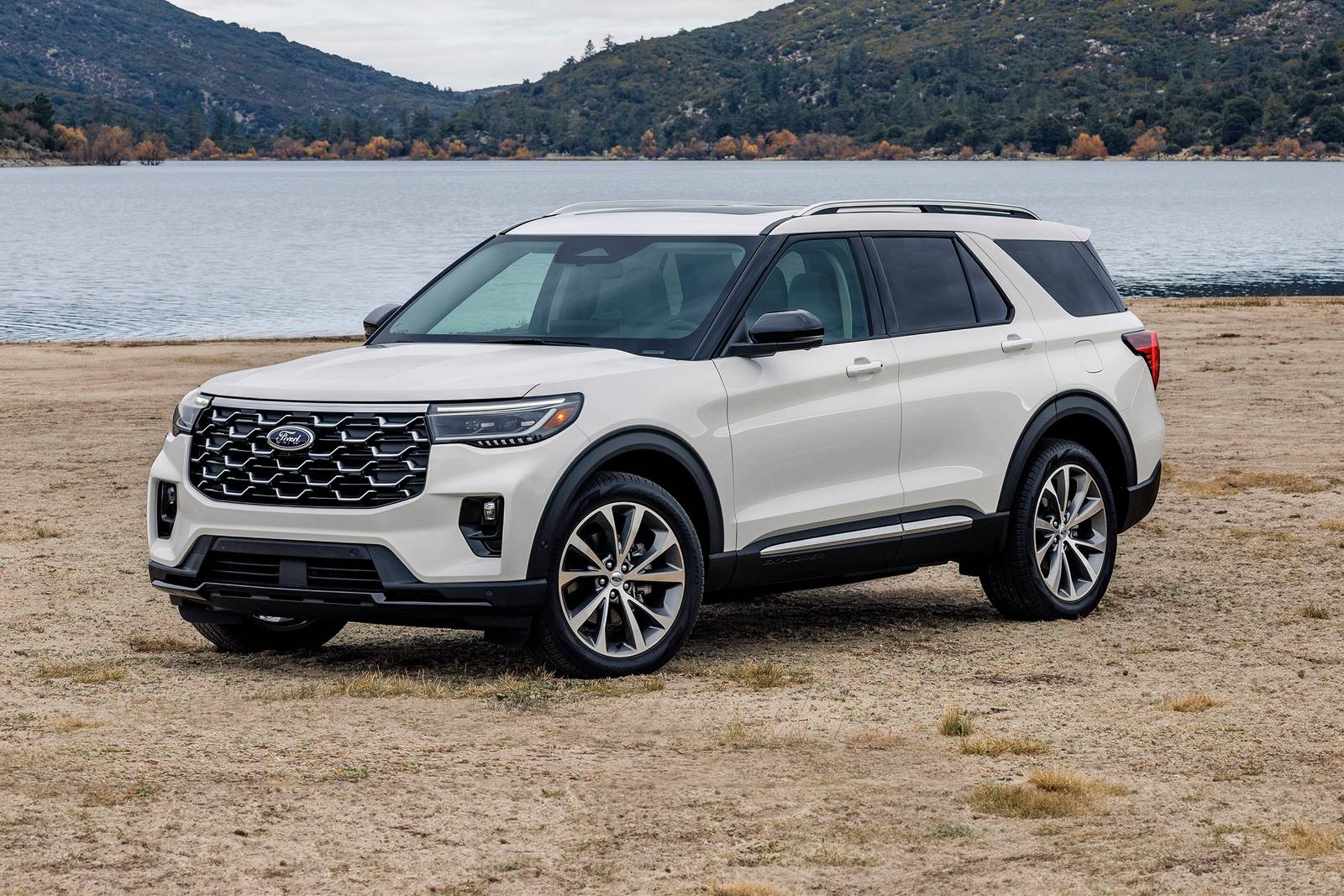
Recall Number: 00T005000 Tire Units Affected: 14,400,000 Vehicles: 1991-1998 Ford Explorers, 1991-1994 F-150s, 1992-1993 Rangers Deaths: 271 confirmed, 800+ injuries
The deadliest tire-related disaster in U.S. history combined Ford's design choices with Firestone's defective Wilderness AT tires. Tread separation at highway speeds caused Explorers to roll over due to their high center of gravity and weak roof structure.
What went wrong:
- Ford recommended unusually low tire pressure (26 PSI) to improve ride comfort
- Low pressure generated excessive heat in hot climates
- Firestone tires had manufacturing defects causing tread separation
- Explorer's SUV design made it prone to rollovers when tires failed
- Ford and Firestone knew about the problem for years before acting
Impact: The TREAD Act of 2000 now requires:
- Tire pressure monitoring systems (TPMS) on all vehicles
- Enhanced tire defect reporting
- Stricter rollover safety standards
The human cost: 1996 Ford Explorers alone recorded 89 deaths and 463 injuries in NHTSA complaint data—the deadliest single model year in the database.
If you're considering a used Explorer, avoid 1991-2001 models. Check recall status for specific years at Ford Explorer recalls.
Ford Transmission Parking Gear Failure (1981)
Recall Number: 81V008000 Units Affected: 21,000,000 (largest in database) Years: 1970-1980 various Ford models Issue: Parking gear may not engage; vehicle appears in Park but is actually in Reverse
This massive recall affected vehicles across Ford's entire lineup. The defect allowed vehicles to roll unexpectedly, causing numerous injuries and deaths. The parking pawl mechanism could fail to properly engage, meaning drivers would shift to "Park," exit their vehicles, and watch them roll away.
Modern echoes: Ford's 2022 transmission shift cable recall (2.9 million vehicles) involved a similar issue—shifter cable bushings degrading, allowing the shifter position to not match actual transmission gear.
Ford Ignition Switch Fires (1996)
Recall Number: 96V071000 Units Affected: 7,900,000 Years: 1987-1993 models (announced 1996) Models: Mustang, F-Series, Bronco, Thunderbird, Tempo, Escort, Aerostar, and 30+ others
Ignition switches could experience internal short circuits, causing fires even when vehicles were turned off and parked. Owners discovered their Fords burning in driveways and garages, sometimes spreading to homes.
This defect presaged GM's deadly ignition switch scandal 20 years later, demonstrating how ignition system failures can persist undetected for years.
Recent Deadly Recalls
Modern Fords aren't immune to fatal defects:
2015 Ford Transit Deaths: Complaints document 36 deaths related to 2015 Transit vans, though specific causes vary across incidents.
2000 Ford Focus Deaths: The Focus's first model year recorded 50 deaths across 179 complaints, involving multiple systems including sudden acceleration, steering failure, and airbag non-deployment.
2017 Ford Expedition Spark Plug Fires: Seven people died when spark plug ejection caused engine fires, particularly in 1997-model Expeditions with Triton V8 engines.
Model Deep Dive: The Most Problematic Fords
Ford F-150: Volume Leader, Not Necessarily Problem Leader
Total Recalls: 640 Units Affected: 318,328,607 Complaints: 44,589 Deaths: 83 Injuries: 1,920 Fires: 2,255
America's best-selling vehicle for over 40 years has accumulated substantial recall numbers, but context matters. With annual sales often exceeding 900,000 units, the F-150's recall rate per vehicle sold may not differ dramatically from competitors.
Years Most Affected:
- 2021: 82 recalls (14.9M units)
- 2022: 55 recalls (11.3M units)
- 2023: 45 recalls (4.1M units)
- 2020: 35 recalls (14.6M units)
Most Common F-150 Issues:
- Exterior lighting failures (headlights, taillights)
- Transmission control module failures
- Automatic transmission problems
- Driveshaft separation risk
- Backup camera compliance issues
Most Complained Systems:
- Power train: 6,312 complaints
- Engine: 4,238 complaints
- Electrical system: 2,701 complaints
Buyer guidance: Modern F-150s (2015+) have excellent safety ratings despite high recall counts. Most recalls address minor issues or proactive fixes. Check your specific year at Ford F-150 recalls before purchasing. Browse available inventory at Ford F-150 listings.
Ford Explorer: A Tragic Past, Improved Present
Total Recalls: 576 Units Affected: 511,721,363 Complaints: 41,855 Deaths: 296 (highest in database) Injuries: 3,053 Fires: 974
The Explorer's recall history divides sharply between deadly first/second generations (1991-2001) and significantly improved modern versions (2011+).
Deadliest Years:
- 1996: 89 deaths, 463 injuries (Firestone crisis peak)
- 1997: 41 deaths, 250 injuries
- 1994: 25 deaths, 183 injuries
- 1998: 20 deaths, 261 injuries
Most Common Explorer Issues:
- Backup camera failures (75 recalls)
- Suspension problems (34 recalls)
- Body structure issues (34 recalls)
- Tire tread separation (21 recalls—Firestone crisis)
Safety evolution:
- 1991-2000: 3-star overall crash ratings (poor)
- 2001-2011: 4-star ratings (improved but still concerning)
- 2012-2019: 4-star ratings (good)
- 2020+: 5-star overall ratings (excellent)
Buyer guidance: Avoid 1991-2001 Explorers entirely. These vehicles combined poor rollover resistance with deadly tire issues. 2012+ models are dramatically safer, with 2020+ versions earning top safety marks. Verify Takata airbag recalls completed on 2007-2010 models. See Ford Explorer years to avoid for detailed guidance.
Ford Fusion: Quality Control Nightmare
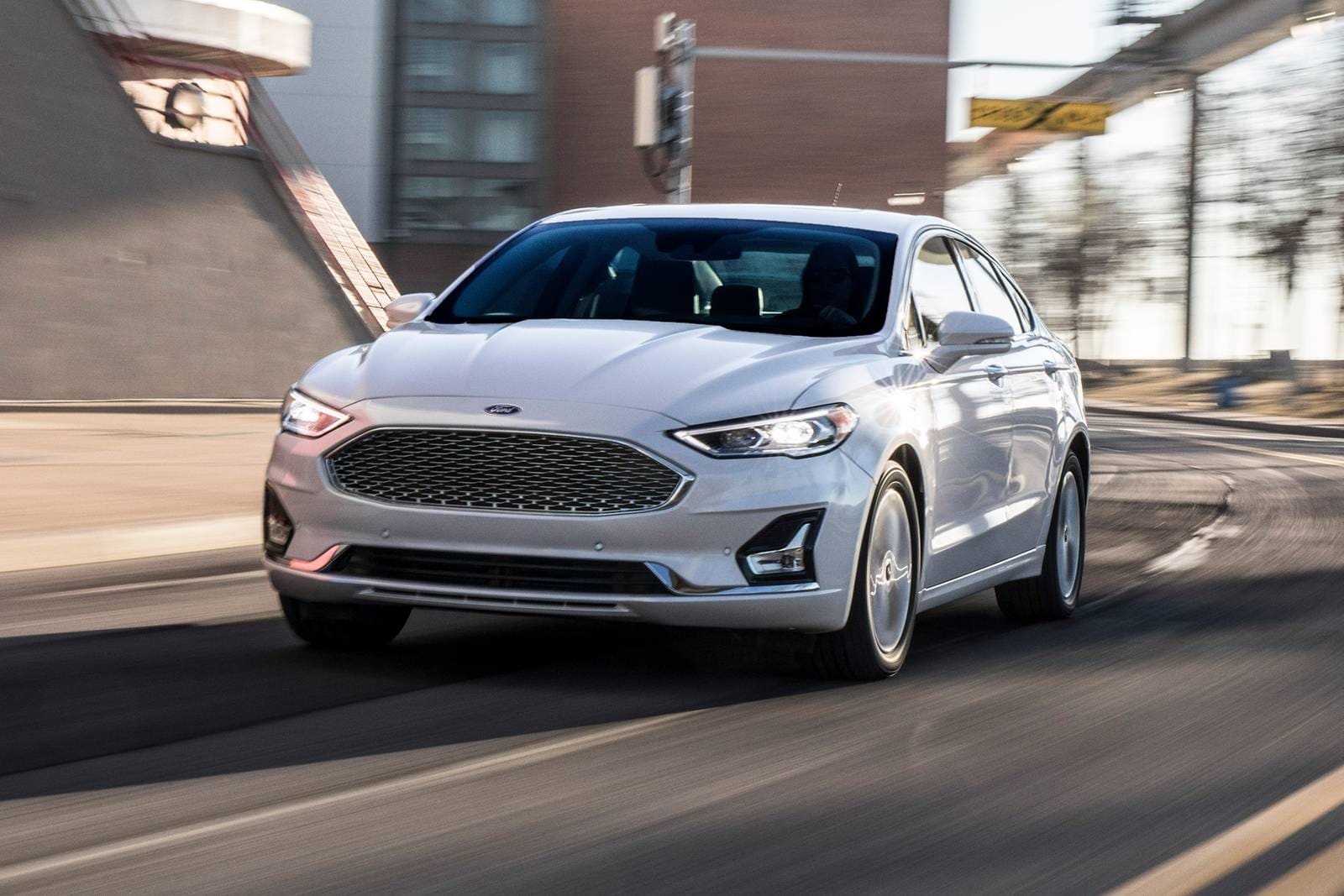
Total Recalls: 549 Units Affected: 358,615,765 Years Produced: 2006-2020 (14 years) Annual Recall Rate: 39 recalls/year
The Fusion's extraordinarily high recall rate—especially in first-generation models (2006-2012)—reflects serious quality control problems during Ford's sedan era.
Years Most Affected:
- 2010: 83 recalls (38.2M units)
- 2011: 79 recalls (37.6M units)
- 2012: 76 recalls (35.7M units)
- 2009: 75 recalls (37.5M units)
Major Fusion Problems:
- Takata airbag inflators (2.6M units recalled)
- Transmission shift cable bushing failure (2022 recall, 2.9M vehicles)
- Brake fluid line corrosion (1.3M units, 2023)
- Door latch failures allowing doors to open while driving
- Steering system issues
Buyer guidance: First-generation Fusions (2006-2012) averaged 75+ recalls per year and should be approached cautiously. Second-generation models (2013-2020) improved significantly but still experienced major transmission and brake issues. Ford discontinued the Fusion in 2020, exiting the sedan market. If shopping for used Fusions, prioritize 2017-2020 models with verified recall completion.
Ford Escape: Fire Risk and Redemption
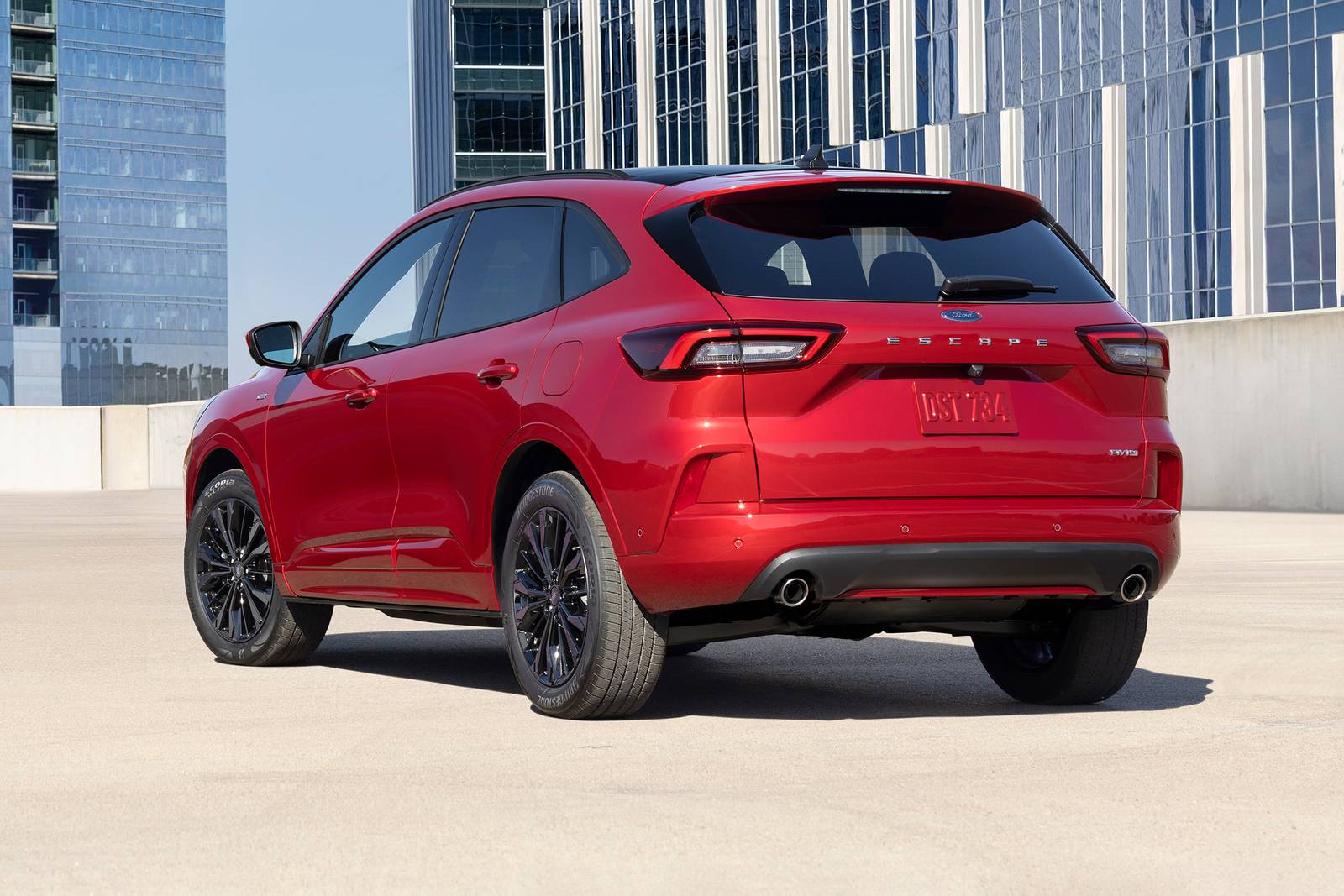
Total Recalls: 392 Units Affected: 158,310,926 Complaints: 34,091 Deaths: 21 Injuries: 1,001 Fires: 734 (high fire complaint rate)
The Escape has struggled with engine and electrical fires throughout its history, particularly in 2001-2012 models.
Fire-Prone Years:
- 2001-2004: Engine fires from coolant system leaks
- 2005-2008: Continued engine fire issues
- 2013-2015: Electrical system fires
Most Common Escape Issues:
- Engine cooling system failures
- Electrical fires
- Power train failures
- Fuel system problems
Safety ratings:
- 2001-2012: 3-star overall (poor)
- 2013-2019: 4-star overall (improved)
- 2020-2024: 5-star overall (excellent)
Buyer guidance: Avoid 2001-2012 Escapes due to fire risk and poor crash safety. 2020+ models represent a dramatic improvement in safety and reliability. Check Ford Escape recalls for your target year.
Ford Focus: The Transmission Disaster
Complaints: 29,470 Deaths: 88 Injuries: 1,273 Crashes: 1,627
While Focus recall counts don't crack the top 20, its reputation was destroyed by the 2012-2016 PowerShift dual-clutch transmission scandal.
The defect: Ford's DPS6 dual-clutch automatic transmission shuddered, slipped, hesitated, and lost power unexpectedly. The transmission would jerk violently during acceleration, fail to engage gears, or suddenly lurch forward from a stop.
Ford's response:
- Extended warranties to 7 years/100,000 miles
- Offered free repairs and clutch replacements
- Continued selling Focus with known defective transmissions for four model years
- Never issued formal recall, instead handling claims through warranty
Legal consequences:
- Multiple class-action lawsuits
- $35 million settlement with California, Florida, Texas attorneys general
- Internal documents revealed Ford knew about issues before launch
Buyer guidance: Avoid 2012-2016 Ford Focus with automatic transmission at all costs. Manual transmission Focus models from these years are fine. Ford discontinued North American Focus production in 2018, partly due to transmission reputation damage.
Years to Avoid: Specific Models and Generations
Based on recall data, complaint reports, and safety ratings, these Ford model years present the highest risk:
Ford Explorer
- 1991-2001: Firestone tire crisis, poor rollover resistance, 296 deaths
- Worst individual year: 1996 (89 deaths, 463 injuries)
Ford Escape
- 2001-2012: Fire risk, poor safety ratings, cooling system failures
- Worst years: 2001-2004, 2005-2008 (engine fires)
Ford Focus
- 2012-2016: Defective dual-clutch transmission (automatic only)
- 2000: First model year with 50 deaths, multiple system failures
Ford Fusion
- 2006-2012: First generation with 75+ recalls/year average
- 2010-2012: Peak problematic years (75-83 recalls each)
Ford F-150
- 1997: Heavy involvement in Firestone tire recall
- 2021-2023: Highest recall counts (though mostly minor issues)
Ford Expedition
- 1997: Spark plug ejection fires (19 deaths, 64 injuries)
Ford Bronco
- 1987: 120 deaths reported (though data may be incomplete)
Important context: Modern Fords (2018+) generally achieve excellent safety ratings despite high recall counts. The nature of recalls matters more than quantity—backup camera compliance recalls are far less concerning than transmission failures or fire risks.
How to Check Your Ford for Recalls
Before buying any used Ford—or if you currently own one—checking recall status is essential. An estimated 25% of recalled vehicles never get repaired, meaning dangerous defects remain unfixed.
Step 1: Find Your VIN
Your Vehicle Identification Number (VIN) is a 17-character code located:
- On the dashboard (visible through windshield, driver's side)
- On the driver's door jamb sticker
- On insurance/registration documents
- On the title
Step 2: Check Recalls by VIN
Cardog Recall Checker (Recommended): The fastest way to check recalls for specific Ford models:
- [Check
NHTSA SaferCar.gov: Enter your VIN at https://www.nhtsa.gov/recalls for the official government database.
Ford's Official Site: Check https://www.ford.com/support/recalls/ and enter your VIN.
Step 3: Verify Recall Completion
If recalls appear, contact a Ford dealership to confirm whether repairs have been completed. Request documentation showing:
- Recall number
- Repair date
- Parts replaced
- Dealer signature
Never buy a vehicle with open safety recalls unless you negotiate a price reduction and confirm the dealer will complete repairs before delivery.
Step 4: Stay Informed
Recalls can be issued years after production. Sign up for recall notifications:
- NHTSA's email alerts
- Ford's recall notification system
- Cardog's recall tracker (coming soon)
How Cardog Helps Navigate Ford's Recall Landscape
With 14,915 recalls spanning 59 years across 319 models, researching Ford history manually is overwhelming. How do you know if that 2018 F-150 you're eyeing has dangerous defects or just minor documentation recalls?
Cardog analyzes real-time recall data, safety ratings, and market intelligence across 1.1 million vehicle variations to instantly identify which Fords represent smart buys—and which carry hidden risks. Enter your preferences for make, model, year, and location, and Cardog's AI surfaces:
- Complete recall history for your target vehicle
- Severity assessment distinguishing critical safety recalls from minor issues
- Market pricing data showing whether recall-affected vehicles trade at discounts
- Alternative recommendations if your target model has concerning recall patterns
- Local inventory of similar vehicles without major recall issues
Instead of manually cross-referencing NHTSA databases, complaint reports, and market listings, Cardog delivers comprehensive vehicle intelligence in seconds. Explore Ford inventory with full recall transparency:
- Ford F-150 listings nationwide
- Ford Explorer inventory
- Ford Escape available models
- Ford Mustang for sale
- All Ford models and years
Every vehicle comes with instant recall status checking, ensuring you never unknowingly buy a Ford with dangerous open recalls.
Frequently asked questions
Not necessarily. Recall quantity matters less than recall severity and completion status. A 2022 F-150 with 30 recalls for backup camera software and documentation issues is safer than a 1996 Explorer with 5 recalls including deadly tire tread separation.
Always verify:
- Nature of recalls (safety-critical vs. minor)
- Whether recalls have been completed
- NHTSA safety ratings for the specific model year
- Complaint data showing deaths, injuries, fires
Modern Fords (2018+) generally achieve excellent safety ratings despite high recall counts.
Yes. Federal law requires manufacturers to repair safety recalls at no charge to owners, regardless of:
- Vehicle age
- Mileage
- Warranty status
- Number of previous owners
Ford must provide free repairs, replacement parts, or vehicle buyback if recalls cannot be fixed. However, dealers may try to charge for non-recall maintenance discovered during recall repairs—always clarify what's covered before authorizing work.
Repair time varies by recall severity:
- Software updates: 30 minutes to 2 hours
- Component replacement (airbag, camera, latch): 1-4 hours
- Major mechanical repairs (transmission, driveshaft): 1-3 days
Parts availability can delay repairs weeks or months for recent recalls. Contact multiple Ford dealerships to find the shortest wait time, and ask about loaner vehicle availability for extended repairs.
Conclusion: Context Matters More Than Numbers
Ford's 14,915 recalls spanning 59 years tell a complex story that defies simple interpretation. While numbers like 1,390 deaths and 18,585 crashes sound damning, context transforms the narrative.
What the data reveals:
-
Modern Fords are dramatically safer than historical models. 2020+ Fords consistently achieve 5-star safety ratings despite record recall counts. The nature of recalls has shifted from deadly mechanical failures (Pinto fuel tanks, Explorer rollovers) to preventive software updates and regulatory compliance.
-
Production volume inflates absolute recall numbers. The F-150's 640 recalls reflect 40+ years as America's best-selling vehicle. Per-vehicle recall rates may not differ from competitors with lower absolute numbers.
-
Specific model years and generations matter enormously. A 1996 Explorer (89 deaths) and 2023 Explorer (5-star safety) share only a name. Always evaluate the specific generation and model year you're considering.
-
Supplier issues like Takata airbags and backup camera regulations account for thousands of Ford recalls that aren't Ford's engineering fault. Industry-wide problems affect all manufacturers proportionally.
-
Certain Ford models have genuinely troubling histories. The 2012-2016 Focus transmission debacle, 2006-2012 Fusion quality control failures, and 1991-2001 Explorer disaster represent real Ford-specific problems beyond normal recall patterns.
For Ford buyers:
- Avoid specific high-risk model years: 1991-2001 Explorer, 2012-2016 Focus (automatic), 2006-2012 Fusion, 2001-2012 Escape
- Prioritize modern models (2018+): Safety technology, crashworthiness, and quality control have improved dramatically
- Always check recall status: Use Cardog's recall checker or NHTSA's database before purchasing
- Verify recall completion: Never buy a vehicle with open safety recalls
- Consider the whole picture: Balance recall history against safety ratings, reliability data, price, features, and personal needs
Ford's recall history isn't a reason to avoid the brand entirely—it's a roadmap for making informed decisions. By understanding which models, years, and issues pose genuine risks versus bureaucratic compliance recalls, you can find reliable, safe Fords that serve you well for years.
Start your search with full recall transparency at Cardog's Ford inventory, where every listing includes instant recall status checking and market intelligence to guide your decision.