The record for every vehicle on the road.
Decode the VIN, price the vehicle against the live market, and check every recall that applies.




By desk
Built for the desks that handle a car
Pick a desk to see the three jobs it does with Cardog, and the answer for one real VIN.
Registries and ministries
Fill each new registration by VIN and flag recalls at the counter.
See how registries use it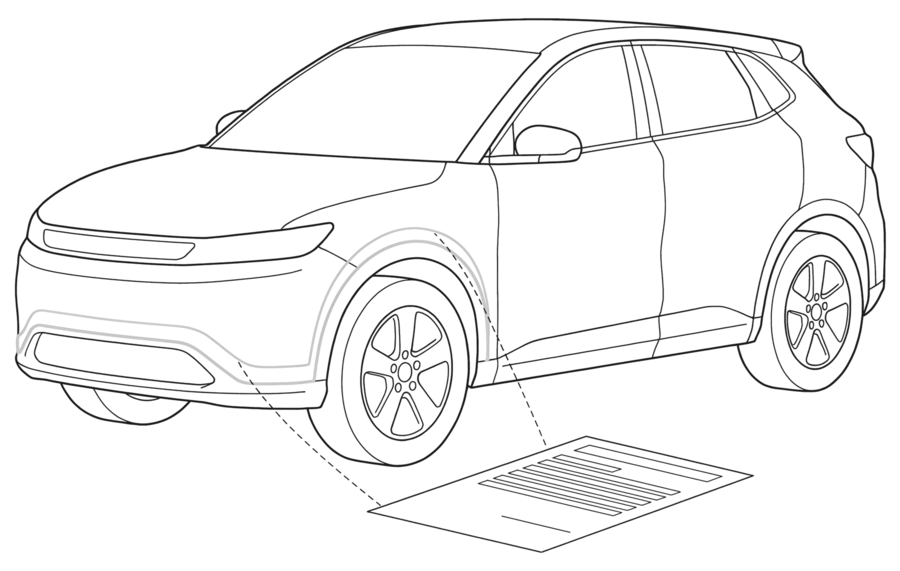

Insurers and brokers
Rate on the vehicle's identity, settle on its total-loss value and see its recall exposure.
See how insurers use it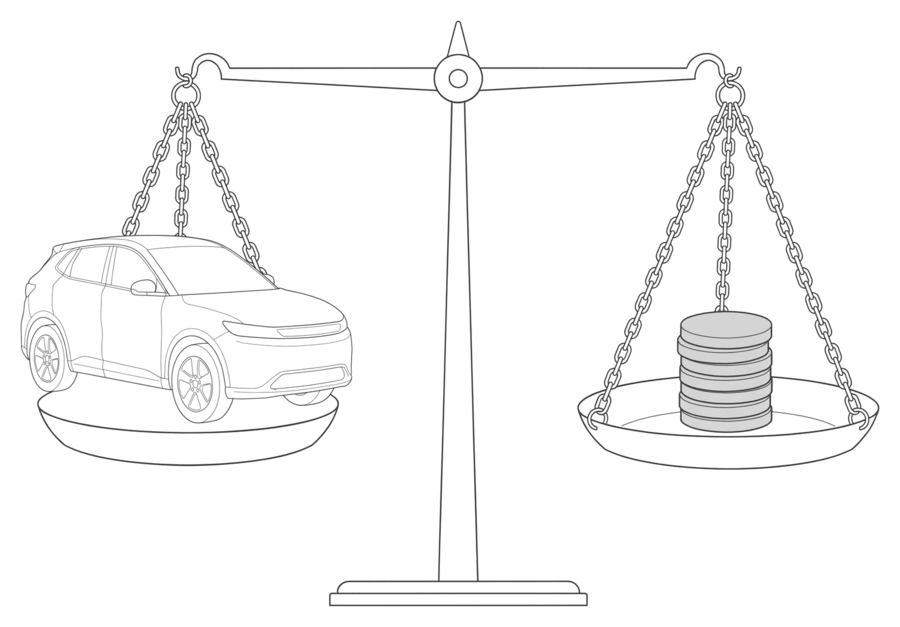
Lenders
Confirm the collateral and its value before the loan funds.
See how lenders use it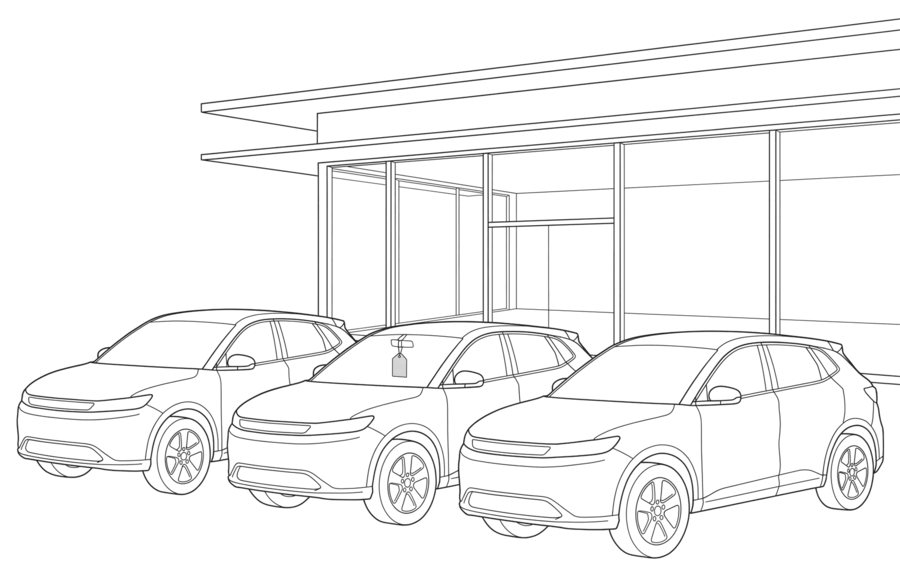

Dealers
Read the vehicle at intake, appraise it and check its recalls before it goes on the lot.
See how dealers use it
Fleets, municipal and private
Track recalls, software and value across every unit.
See how fleets use it
Manufacturers
See their own vehicles in the market and under recall.
See how manufacturers use itWhat comes back
Seven products, one key
Use one at a time or all of them together. Each answer carries its source and the day it was read.
Vehicle record
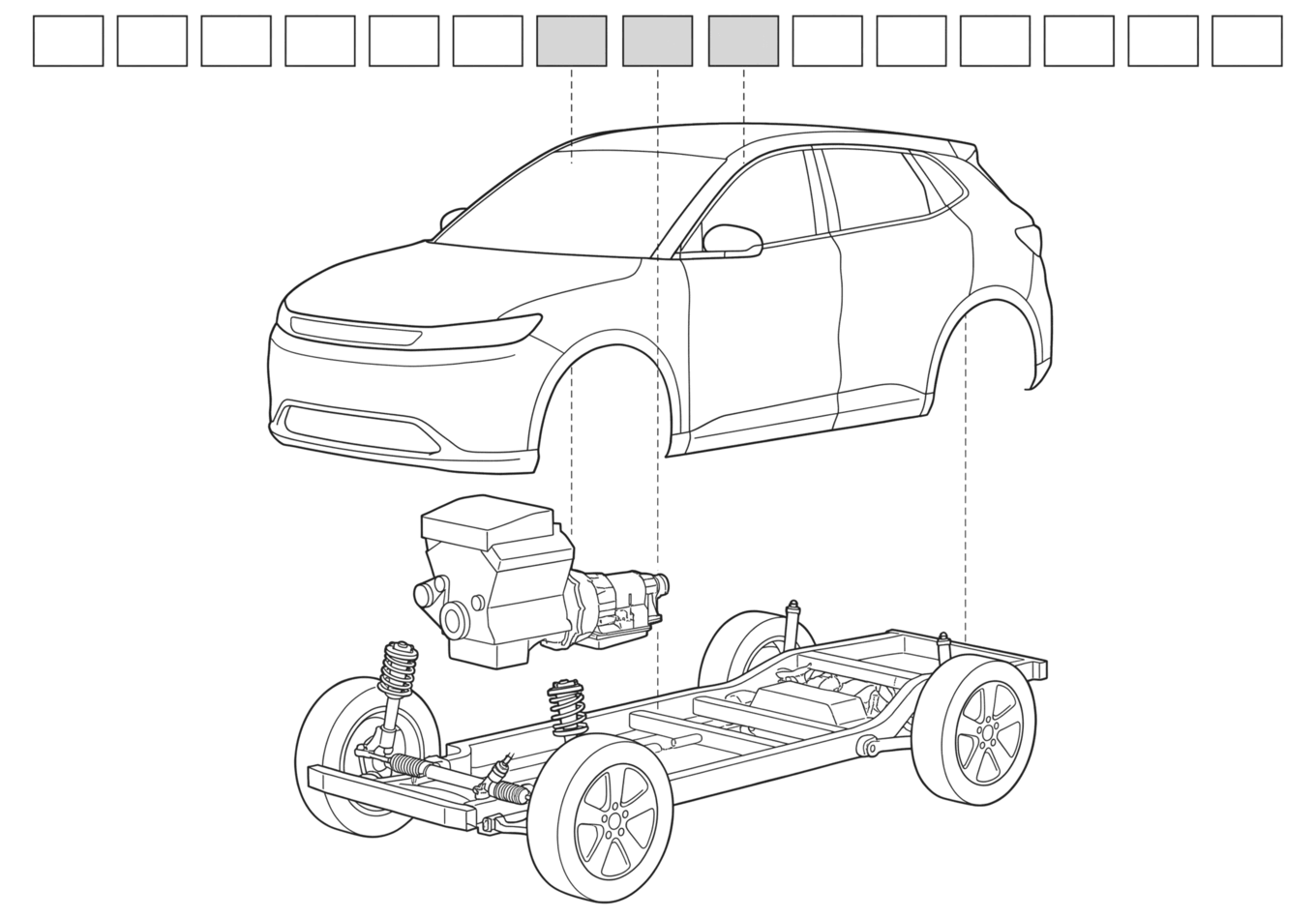
Seventeen characters in, the build out
Year, make, model, trim, body, drive, engine and plant, each field marked with where it came from.
Explore identity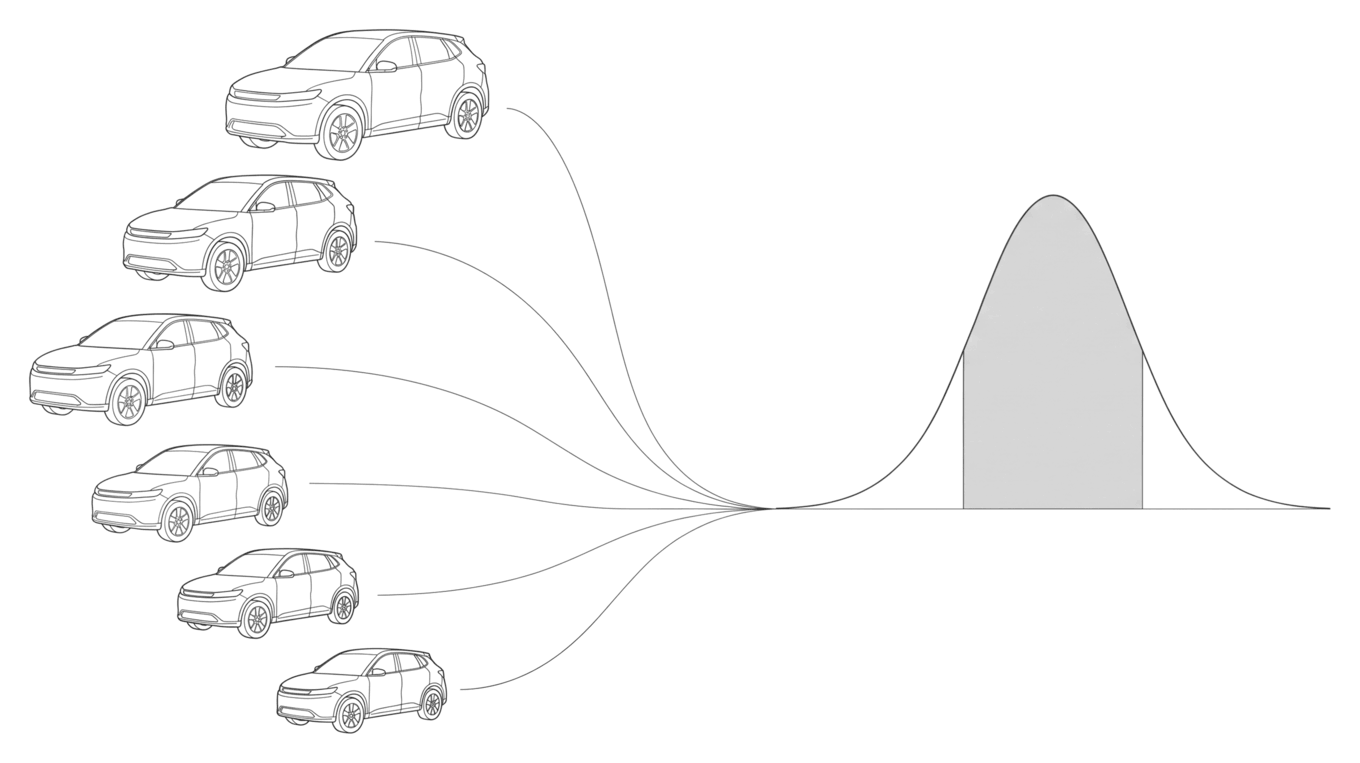
Market
What the market is asking today
A median and middle half for the model year, from listings seen this month.
Explore market data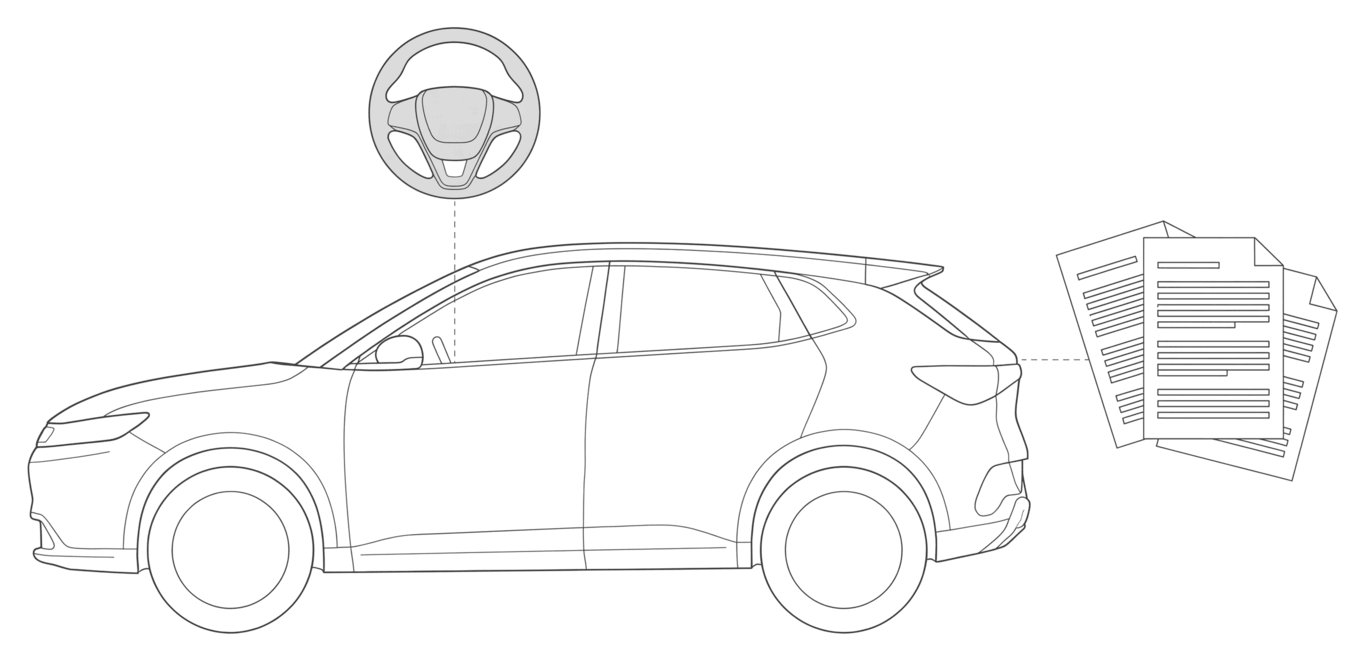

Recalls
Campaigns for the model year
Transport Canada and NHTSA campaigns, joined to the model years they name.
Explore recalls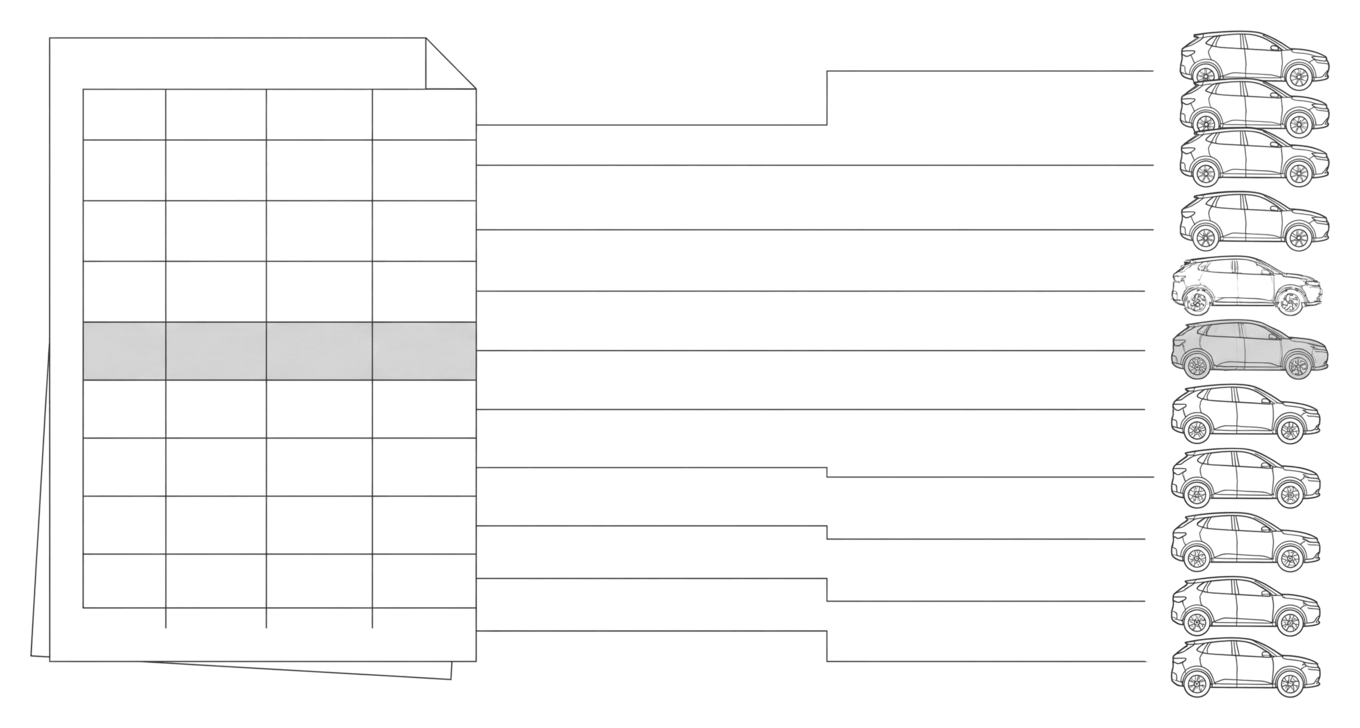
Files
A spreadsheet in, filled rows out
Upload a list of VINs and each row comes back with its columns complete.
Send a file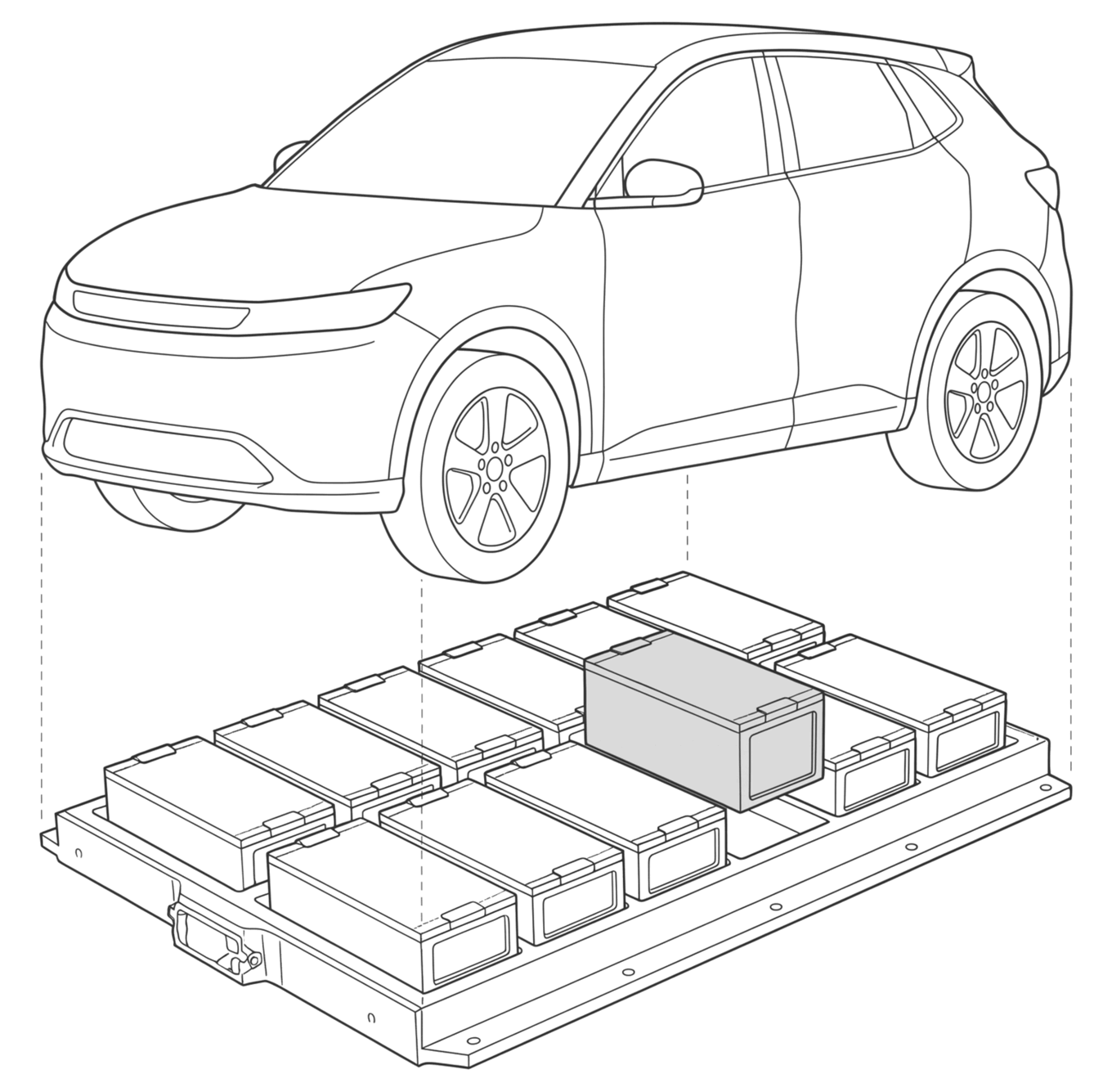
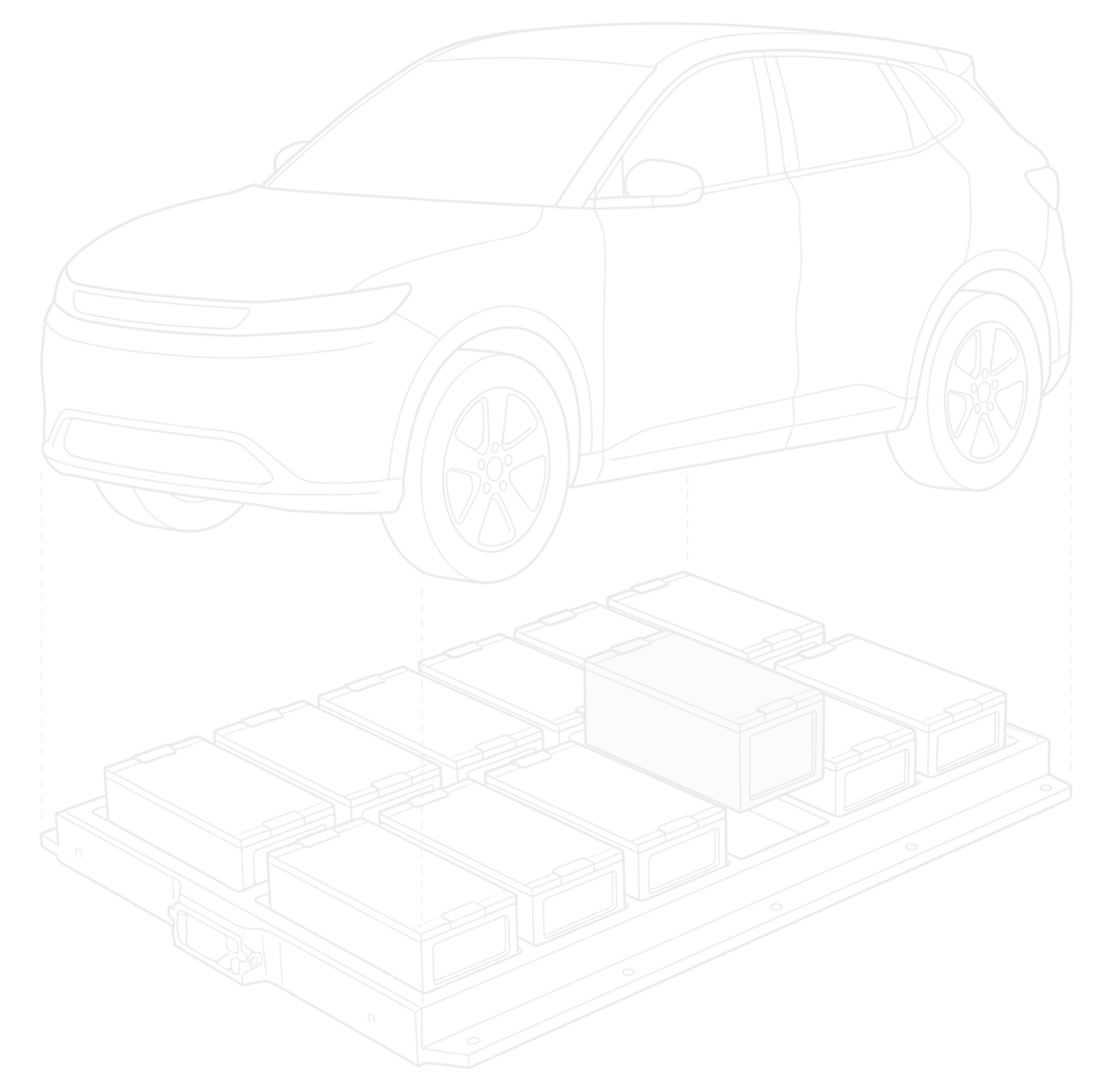
Battery
The pack, cell by cell
State of health and every cell group's voltage, read at the diagnostic port.
Explore battery

Agents
Tools your agents can call
An MCP server that can identify a vehicle, quote it and list its campaigns.
MCP server
Embed
Put the facts on your own pages
Listing cards and vehicle pages in your design, with our data underneath and a source behind each figure.
For dealers
For developers
From the first call to production
REST, with TypeScript and Python SDKs. Send a VIN and follow the links the response hands back.
shell
curl https://api.cardog.app/v2/vin/1C4RJHDG0P8708786 \ -H "x-api-key: $CARDOG_API_KEY"# then follow links.quote and links.recallsA real read of a public listing's VIN, trimmed to the vehicle, its market and its first campaign.
200 · 2023 Jeep Grand Cherokee Overland
// GET /v2/vin/1C4RJHDG0P8708786{ "vin": "1C4RJHDG0P8708786", "valid": true, "year": 2023, "make": "Jeep", "model": "Grand Cherokee", "trim": "Overland", "refs": { "modelYear": "model-year:jeep/grand-cherokee/2023" }, "links": { "quote": "/v2/quotes/model-year%3Ajeep%2Fgrand-cherokee%2F2023", "recalls": "/v2/vin/1C4RJHDG0P8708786/recalls" }}// GET links.quote{ "priceMedian": 42988, "priceP25": 35999, "priceP75": 47995, "liveCount": 249, "asOf": "2026-11-19"}// GET links.recalls (listed for the model year){ "recalls": [ { "authority": "tc", "campaignNumber": "2026418", "component": "Suspension", "recallDate": "2026-09-01" }, … ]}Ways in
One record, however you work
One VIN reads identically in code, a spreadsheet, an agent or a web page.
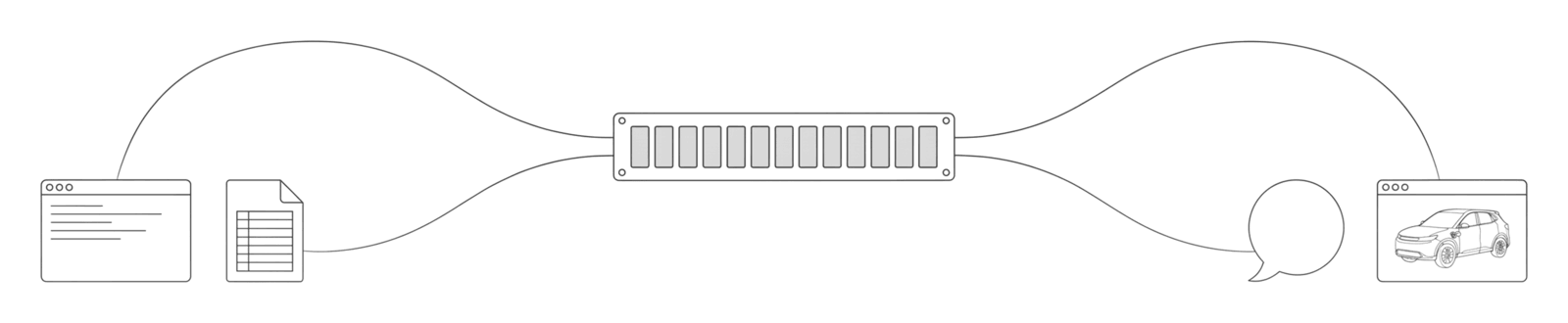
API and SDKs
For engineers wiring it into their own systems.
Files and feeds
For desks that run on spreadsheets and batches.
MCP for agents
For assistants that need a source they can cite.
Web app and embeds
For people at a counter, and the sites they run.
Start with one VIN
Read a record free, then talk to us about volume, feeds and files.