Best Toyota RAV4 Years to Buy: Complete Reliability Guide (2025)
Best Toyota RAV4 Years to Buy: Complete Reliability Guide (2025)
The Toyota RAV4 has been one of Canada's best-selling vehicles for years, and for good reason. This compact SUV delivers legendary Toyota reliability, practical interior space, and strong resale value. But with over three decades of production spanning five distinct generations, not all RAV4 model years are created equal.
Choosing the right model year can save you thousands of dollars while ensuring you get a reliable vehicle that meets your needs. Currently, 10,910 RAV4s are available on the market, with prices averaging $33,801 and odometers showing approximately 62,386 kilometres. This massive inventory means buyers have options—but it also means you need to know which years offer the best combination of features, reliability, and value.
Whether you're shopping for a budget-friendly daily driver or a nearly-new family hauler, understanding RAV4 generations, common problems, and pricing trends will help you make a confident purchase. Let's break down which Toyota RAV4 years you should target and which ones to avoid.
Quick Answer: Best Toyota RAV4 Years
For Maximum Reliability & Modern Features: 2021-2023
The sweet spot for RAV4 buyers. Fifth-generation models built on Toyota's TNGA platform offer significantly improved driving dynamics, safety features, and build quality. The 2021-2023 models average $32,374-$36,663 with proven reliability and strong availability (1,297-1,413 listings per year). Browse 2021-2023 RAV4 listings to see what's available in your area.
For Best Value: 2019-2020
First years of the fifth generation deliver modern platform benefits at lower prices. Expect to pay around $29,154-$30,332 for vehicles with 87,000-96,000 kilometres. These represent the most affordable entry into Toyota's significantly improved current-generation RAV4. See all 2019-2020 RAV4 inventory to compare pricing and find the best deals.
For Budget Buyers: 2015-2018
Fourth-generation models on the older platform still deliver solid Toyota reliability at accessible prices. Models from this era average $16,744-$23,285 depending on year and mileage, making them excellent choices for buyers prioritizing affordability over the latest features. Explore affordable RAV4s under $25,000 for the best budget options.
Toyota RAV4 History & Generations
Understanding RAV4 generations is essential because Toyota made dramatic improvements with certain model updates, while other years represent minor refreshes of existing platforms.
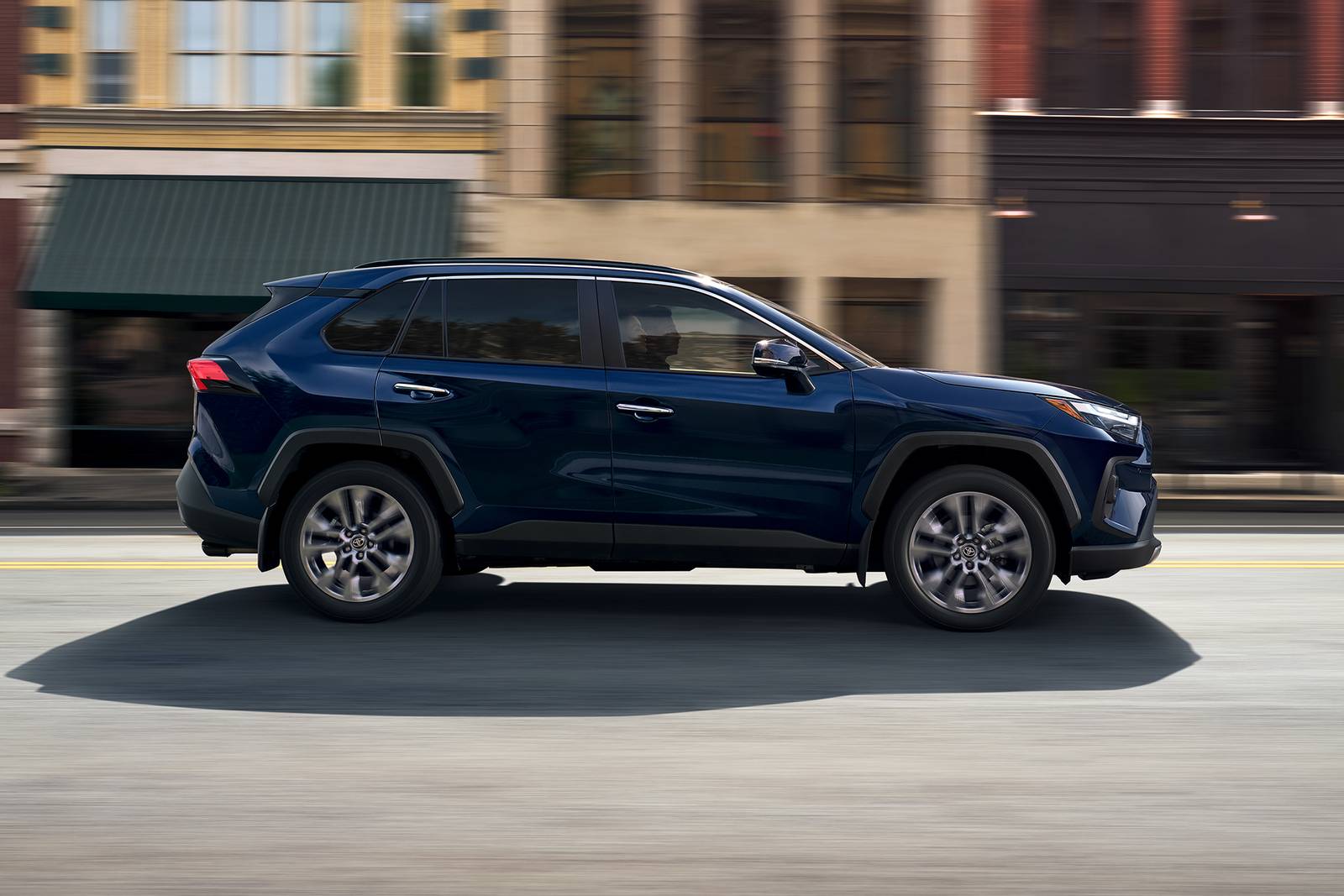
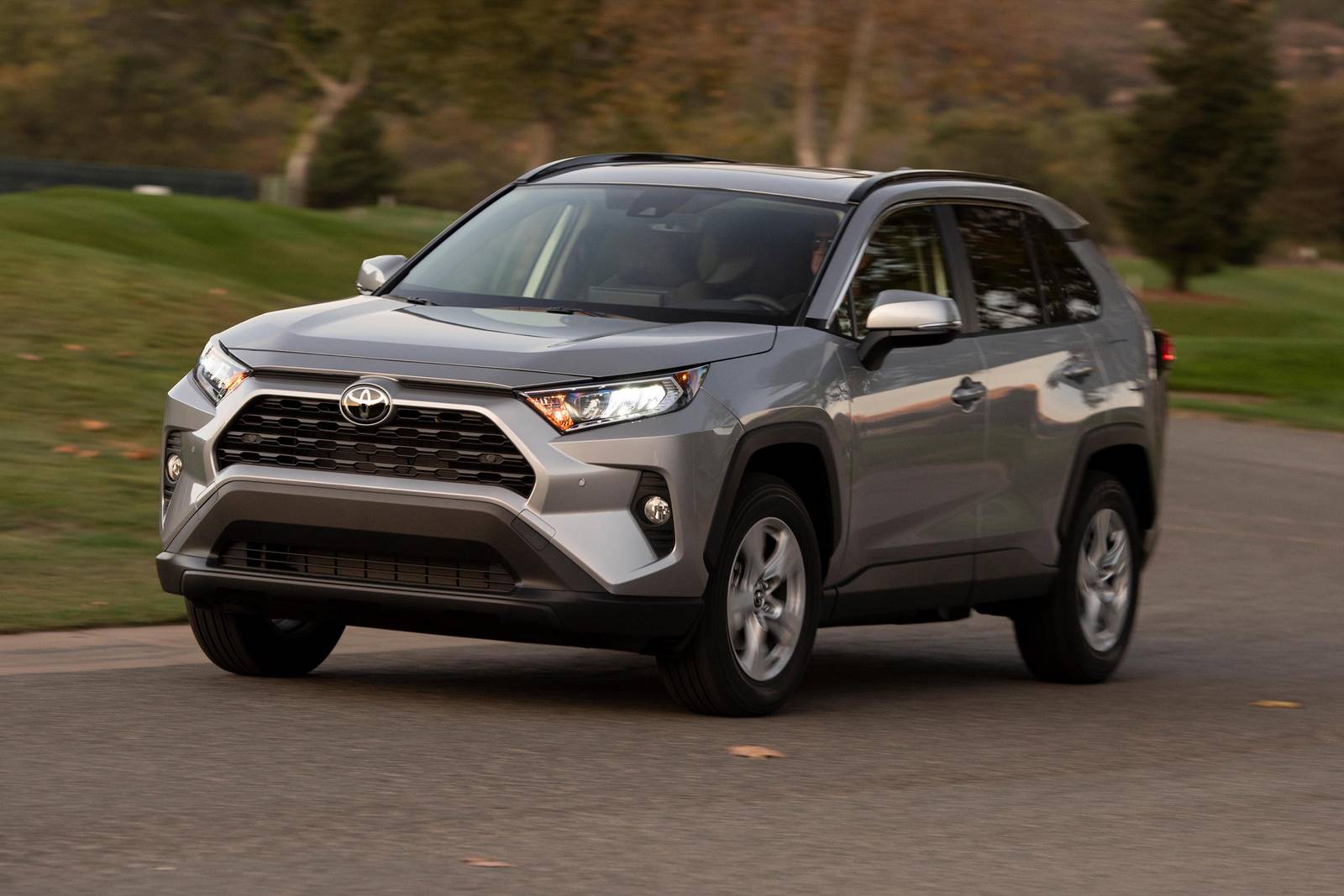
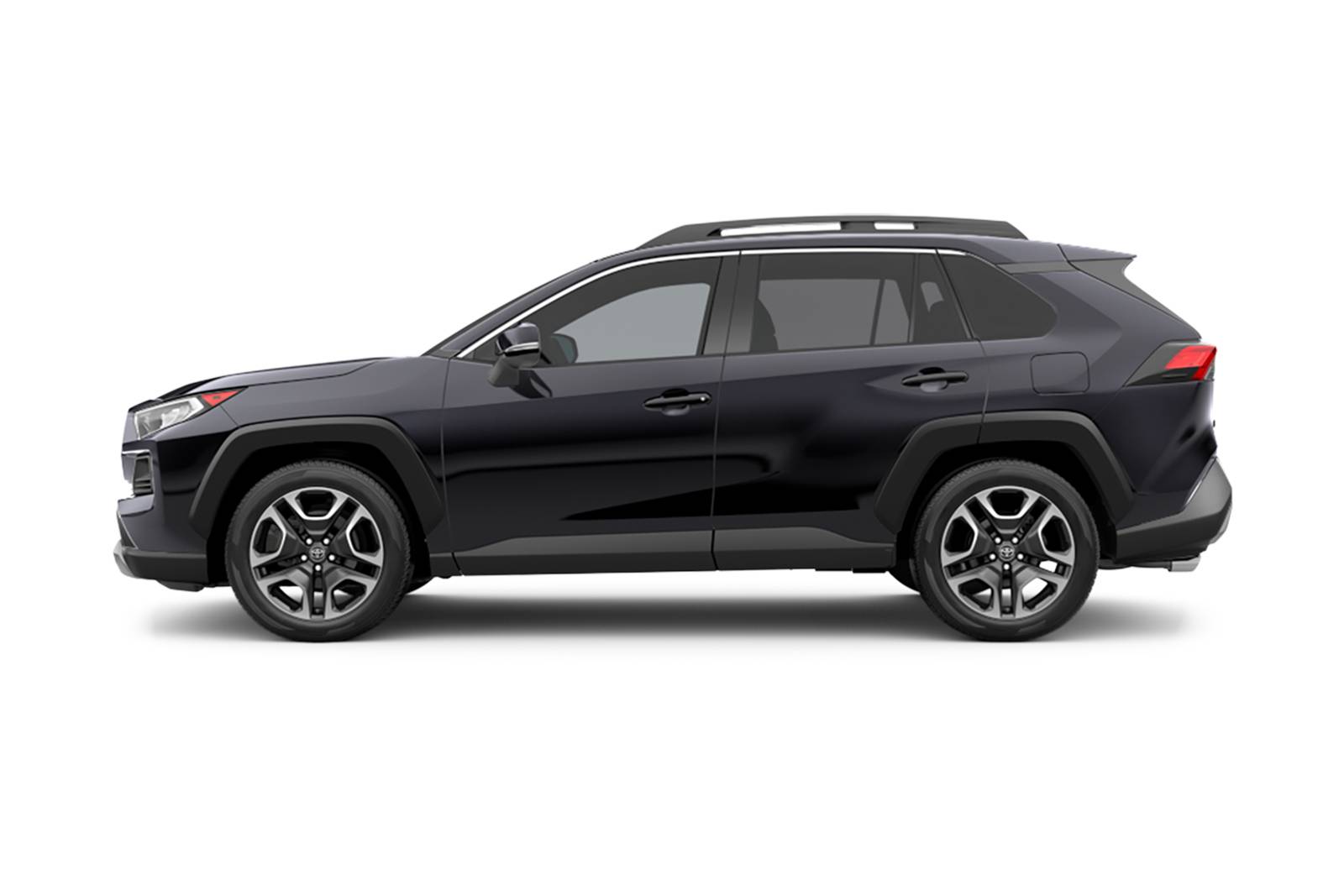
Fifth Generation (2019-Present): The Modern RAV4
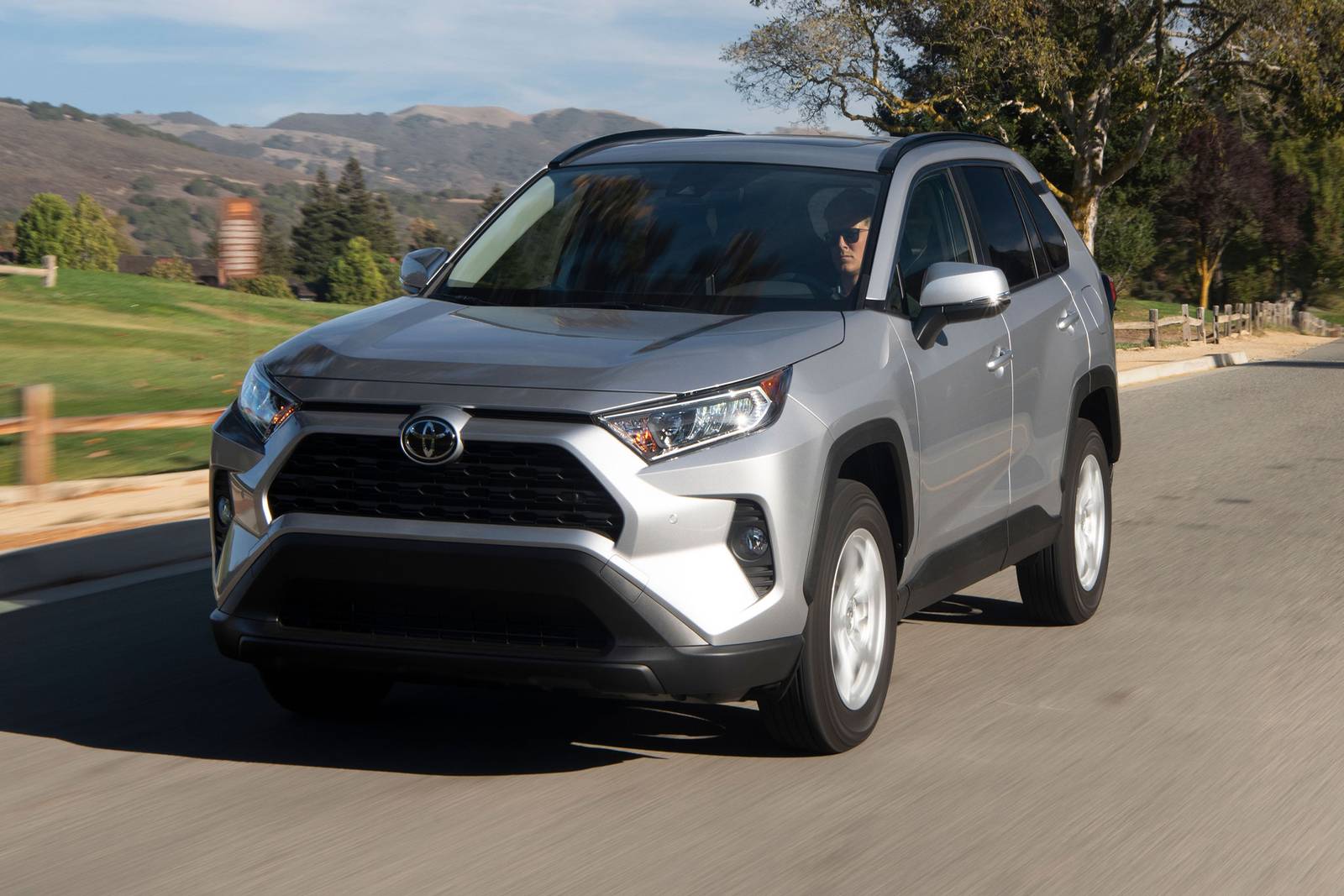
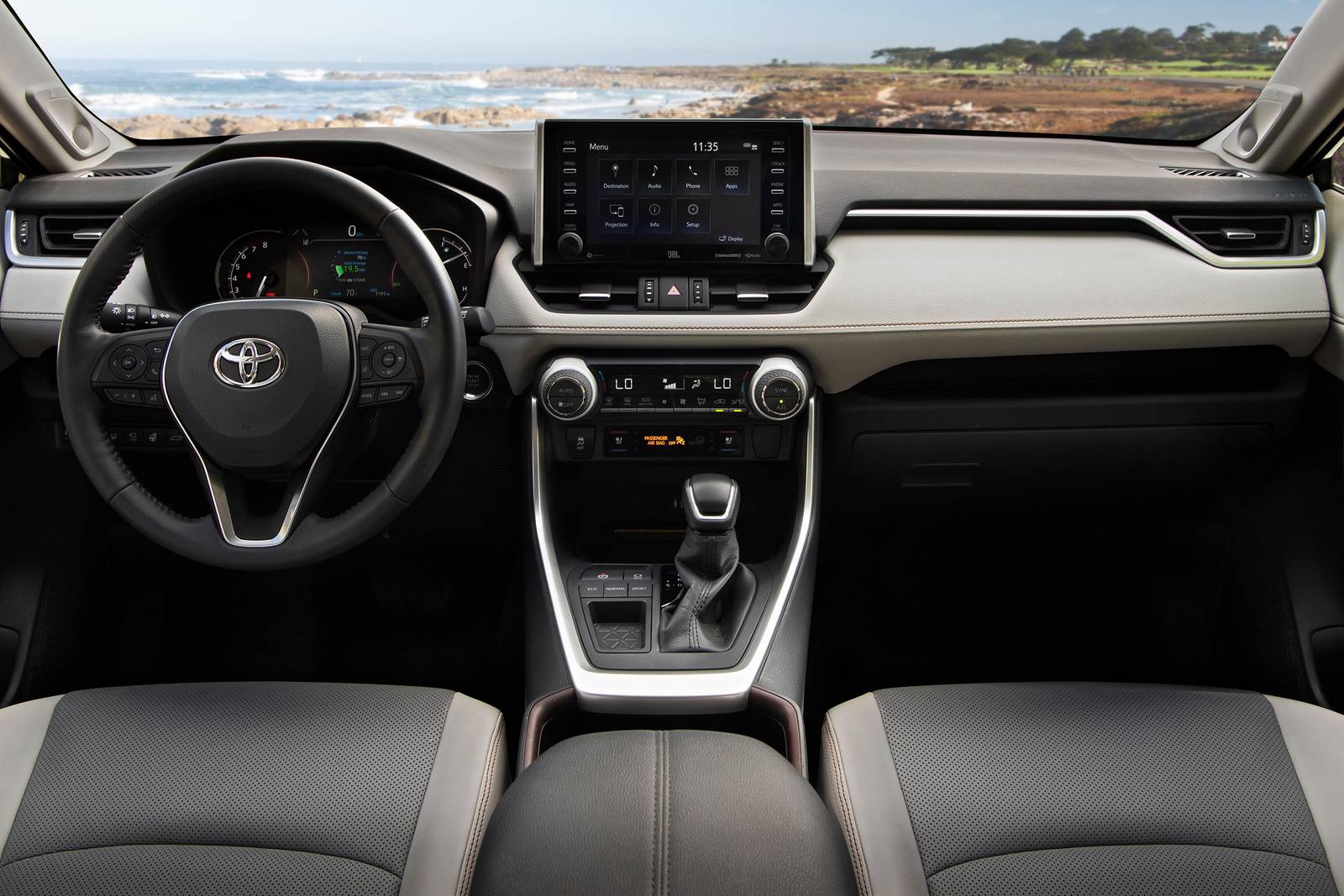
The 2019 redesign marked the biggest leap in RAV4 history. Built on Toyota's TNGA-K platform (shared with the Camry and Highlander), this generation delivers vastly improved driving dynamics, interior quality, and safety features compared to predecessors.
Key improvements include standard Toyota Safety Sense 2.0, an available hybrid powertrain achieving exceptional fuel economy, and a more refined interior with better materials. The styling became more aggressive and SUV-like, departing from the soft crossover appearance of earlier generations.
Available configurations:
- Standard gas 2.5L 4-cylinder (203 hp)
- RAV4 Hybrid with impressive fuel economy
- RAV4 Prime plug-in hybrid (302 hp combined)
- TRD Off-Road and Adventure trims for capability
View all current-generation RAV4s (2019+) to see the latest features and pricing.
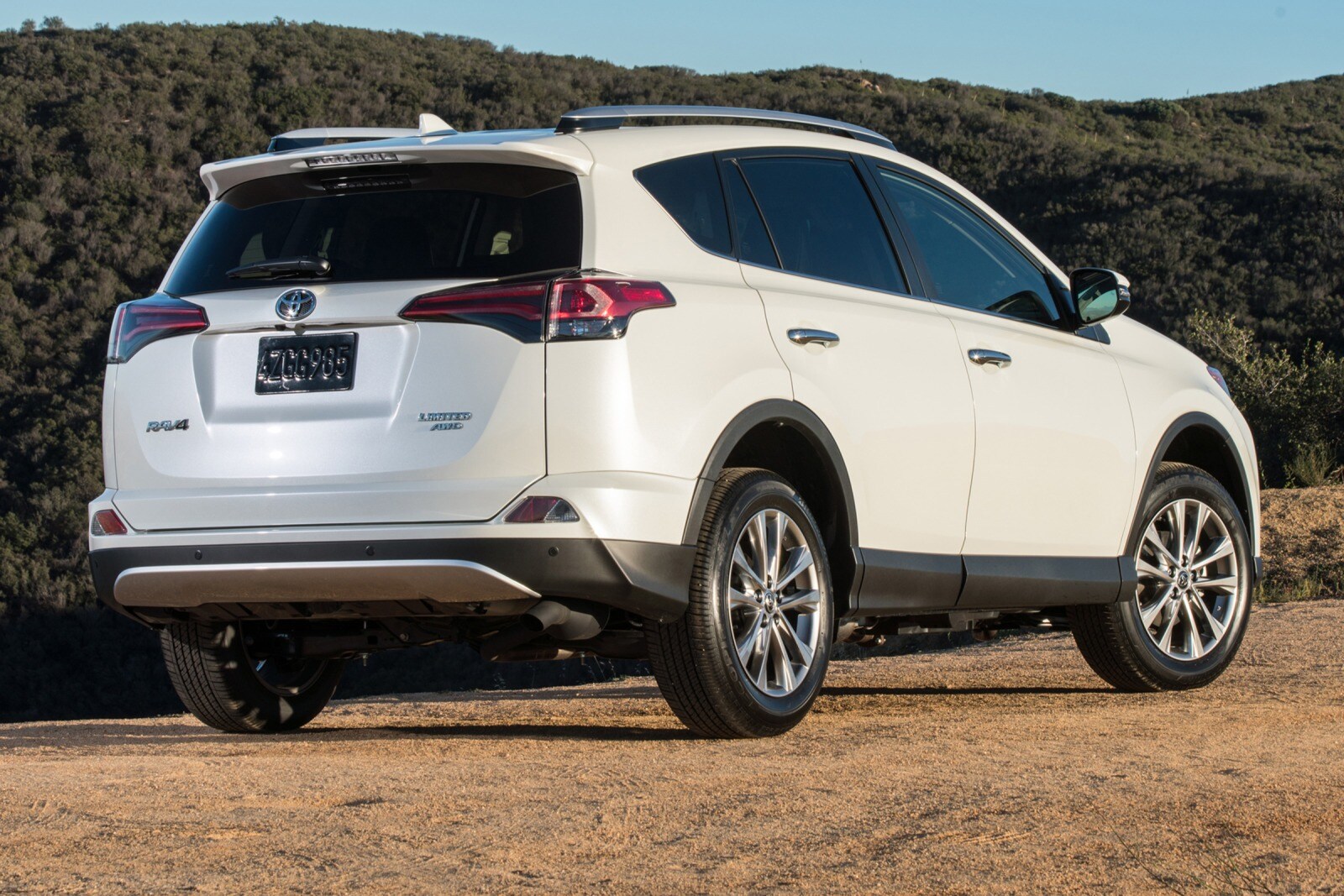
Fourth Generation (2013-2018): The Reliable Workhorse
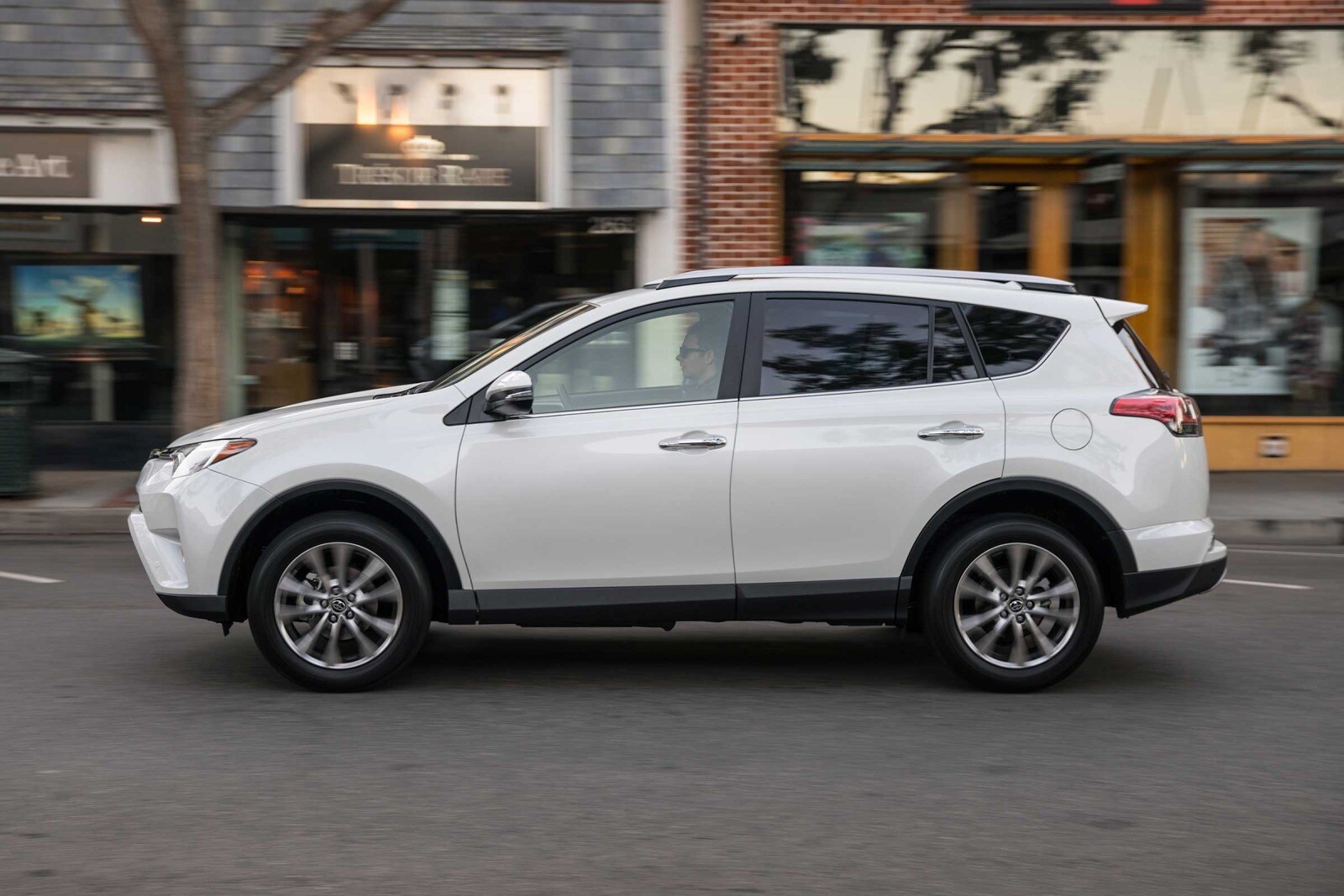
This generation refined the formula that made RAV4 successful but didn't break new ground. Built on Toyota's older K platform, these models prioritized reliability and practicality over excitement or technological advancement.
The 2.5L 4-cylinder engine produced 176 hp, adequate but not thrilling. Interior materials were functional rather than premium, and the driving experience felt dated compared to competitors even when new. However, these RAV4s excel at what matters most to many buyers: they're exceptionally reliable, affordable to maintain, and hold value well.
Third Generation (2006-2012): The Transition Years
This generation saw RAV4 grow from a compact crossover into a proper mid-size SUV. The V6 option (available 2006-2012) provided strong performance but compromised fuel economy. The 4-cylinder models offered better efficiency but felt underpowered when fully loaded.
Reliability was generally good, though early models (2006-2007) experienced some transmission issues that Toyota later addressed. Interior space improved significantly, making these models popular with growing families despite being older platforms today.
Earlier Generations (1996-2005)
The original RAV4 (1996-2000) and second generation (2001-2005) pioneered the compact crossover segment but are now 20+ years old. While Toyota's legendary reliability means many remain on the road, limited safety features, outdated technology, and high mileage make them difficult to recommend unless budget is the primary concern.
Best Toyota RAV4 Years to Buy
2021-2023: The Sweet Spot
Market Data: 1,297-1,413 listings per year | Average prices $32,374-$36,663 | Average odometer 55,148-75,205 km
These model years represent the best balance of modern features, proven reliability, and reasonable pricing. By 2021, Toyota had addressed early fifth-generation issues, resulting in exceptionally well-sorted vehicles.
Why these years excel:
Proven fifth-generation platform: All the benefits of the 2019 redesign (improved handling, safety tech, interior quality) with three years of production refinements. Toyota had ironed out early bugs, resulting in some of the most reliable RAV4s ever built.
Strong availability equals negotiating power: With 1,297-1,413 listings per model year, you have options. This inventory depth means competitive pricing and the ability to find exactly the trim, colour, and feature combination you want without compromising.
Warranty coverage remains: Many 2021-2023 models still have remaining factory warranty coverage (3-year/36,000-mile basic or 5-year/60,000-mile powertrain), providing peace of mind and reducing maintenance costs.
Depreciation curve flattens: These models have absorbed the steepest depreciation hit but remain modern enough to hold value for years to come. You're buying near the bottom of the depreciation curve, meaning slower value loss going forward.
What to expect: Expect to pay around $32,374-$36,663 depending on year, with the 2023 models commanding premium pricing for lower mileage and newer features. Hybrid models cost more but deliver exceptional fuel economy that offsets the premium over time.
2019-2020: Best Value in Fifth Generation
Market Data: 2019: 559 listings at $29,154 avg | 2020: 931 listings at $30,332 avg
Want fifth-generation benefits without the premium? The 2019-2020 model years offer the most affordable entry into Toyota's dramatically improved current platform.
Why consider these years:
Significant platform upgrade: The jump from fourth to fifth generation was enormous. Even early fifth-gen models feel vastly more refined than the newest fourth-gen RAV4s. You get the TNGA platform, Toyota Safety Sense 2.0, improved interior materials, and better driving dynamics.
Lower prices: At $29,154-$30,332, these models cost $3,000-$6,000 less than 2021-2023 examples while delivering 90% of the same experience. For budget-conscious buyers prioritizing value, this is the best deal in the RAV4 lineup.
Adequate mileage: Average odometers of 87,000-96,000 km indicate these vehicles are well within their useful life. Toyota powertrains routinely exceed 300,000 km with proper maintenance, making these models excellent long-term prospects.
Trade-offs: Early 2019 models had minor first-year issues (some infotainment bugs, wind noise concerns) that Toyota addressed in later production. Buyers should test drive carefully and review service history to ensure any TSBs (Technical Service Bulletins) were completed.
2015-2018: Budget-Friendly Fourth Generation
Market Data: Listings from 83-514 per year | Prices $14,473-$23,285 | Odometer 117,825-163,805 km
If your budget is limited but you still want Toyota reliability, the fourth-generation RAV4 delivers exceptional value. These models lack the refinement of fifth-gen vehicles but excel at what Toyota does best: reliable, practical transportation.
Why these years work:
Proven, bulletproof reliability: Fourth-generation RAV4s have earned reputations as nearly indestructible. The 2.5L 4-cylinder engine and 6-speed automatic transmission are simple, well-engineered components that rarely fail. Routine maintenance is all most owners ever need.
Affordable pricing: At $14,473-$23,285 depending on year and mileage, these represent the most affordable RAV4s that still feel modern. For buyers prioritizing transportation over technology, they're hard to beat.
Lower insurance and registration costs: Older vehicles typically cost less to insure and register, reducing total ownership costs. Combined with Toyota's legendary reliability, these models offer some of the lowest cost-per-mile transportation available.
What you give up: Expect dated interior materials, less advanced safety features (though most have basic safety tech), and less refined driving dynamics. These RAV4s feel their age compared to the fifth generation but remain highly competent daily drivers.
2016-2017: Hybrid Value Leaders
If fuel economy matters, the fourth-generation RAV4 Hybrid (introduced in 2016) deserves special consideration. At an average price of $19,343-$21,115, these hybrids offer exceptional efficiency (approximately 5.7 L/100km combined) without the premium commanded by fifth-generation hybrids.
The hybrid system proved extremely reliable, with Toyota's synergy drive lasting well beyond 300,000 km in many cases. Battery degradation is minimal, and the system requires no special maintenance beyond normal service.
Years to Consider Carefully
Not all RAV4 model years are equally desirable. Some represent first-year models with teething issues, while others coincided with design weaknesses or component problems.
2013: First-Year Fourth Generation
The 2013 RAV4 marked the fourth generation's debut, and like most first-year models, it experienced some issues. Buyers reported excessive oil consumption in some engines, transmission hesitation, and various electrical gremlins that Toyota addressed in later model years.
The problem: First-year models often reveal design or manufacturing issues that don't appear in testing. While not catastrophically unreliable, 2013 RAV4s required more warranty work than later fourth-gen models.
If you're considering one: Ensure the vehicle has complete service records showing any TSB work was completed. The 2014-2015 models offer similar pricing with fewer first-year issues, making them better choices.
2019: Fifth-Generation Growing Pains
While the 2019 RAV4 delivered transformative improvements, early production experienced issues including wind noise, infotainment system bugs, and some transmission calibration concerns. Toyota addressed most issues via software updates and production changes throughout the model year.
The verdict: Later-production 2019 models (built after January 2019) are generally fine, but 2020 models offer the same platform with refinements at similar pricing. Unless you find a compelling deal, skip early 2019s in favour of mid-2019 or 2020 examples.
2006-2007: Third-Generation Transmission Concerns
Early third-generation RAV4s experienced transmission issues, particularly in V6-equipped models. Some owners reported premature transmission failures, rough shifting, or hesitation. While Toyota extended warranties covered many cases, these models now carry risk as they're well beyond warranty coverage.
Current market: At 18-19 years old with high mileage, these RAV4s approach the end of practical useful life for most buyers. Unless you find an exceptionally well-maintained example at a very low price, newer fourth-generation models offer better value and lower risk.
Pre-2013 Models
RAV4s from 2012 and earlier are now 13+ years old with typical odometers exceeding 200,000 km. While Toyota reliability means many remain functional, aging components (suspension, steering, cooling systems) require increasing maintenance. Factor in dated safety features and limited technology, and most buyers are better served by newer fourth-generation models that cost only slightly more.
Current Market Pricing Analysis
Real-time market data reveals pricing trends that smart buyers can leverage to identify the best values.
Premium for Newer Models
Fifth-generation RAV4s (2019-2025) command significant premiums, with 2025 models averaging $42,007 for vehicles showing just 1,672 km. This reflects both the current model year premium and strong demand for Toyota's latest features.
Depreciation pattern: New RAV4s lose 15-20% of value in the first year, then 10-12% annually for the next 2-3 years before the depreciation curve flattens. This means 2021-2023 models represent the value sweet spot—past the steepest depreciation but still modern and reliable. Compare RAV4 values across all years to understand pricing trends in your market.
Fourth Generation Value
The 2015-2018 model years offer the most affordable RAV4 ownership, with prices ranging from $14,473 to $23,285. These represent excellent values for buyers who don't need the latest technology but want proven Toyota reliability. Browse RAV4s under $20,000 to find the best budget-friendly options.
Hybrid premium persists: Even in the fourth generation, hybrid models command $3,000-$5,000 premiums over gas-only equivalents. However, fuel savings over 5-7 years of ownership typically justify the upfront cost, especially if you drive 20,000+ km annually. See available RAV4 Hybrid inventory to compare pricing between gas and hybrid models.
Geographic Pricing Variations
RAV4 prices vary by region based on demand, climate, and local supply. Markets with harsh winters see higher demand for AWD models, pushing prices up 5-10% compared to southern markets. Buyers willing to purchase from lower-demand regions and handle transportation can save substantially.
Inventory Depth Creates Opportunity
With 10,910 RAV4 listings currently available, buyers have exceptional negotiating leverage. This inventory depth means:
- Competitive pricing: Dealers and private sellers must price competitively to move inventory
- Selection: Find exactly the trim, colour, and feature combination you want
- Patience rewards: If a particular listing doesn't meet your needs, alternatives exist
In markets with fewer listings, sellers hold pricing power. In the current environment, buyers can afford to be selective.
What to Look For When Buying a Used RAV4
Even reliable RAV4s need proper inspection to avoid problem vehicles. Focus on these key areas:
Service History Documentation
Toyota reliability depends on proper maintenance. Request complete service records showing:
- Regular oil changes every 8,000-10,000 km
- Transmission fluid changes (often overlooked but critical)
- Brake fluid flushes every 2-3 years
- Coolant replacement at recommended intervals
Red flag: Vehicles without service records likely didn't receive proper maintenance. The seller's inability to provide records suggests potential neglect.
Common Wear Items
Inspect these components prone to wear:
- Brakes: Rotors and pads should have at least 30% life remaining
- Tires: Check tread depth (minimum 4/32") and even wear patterns
- Suspension: Test drive over bumps; worn struts cause excessive bouncing
- Battery: Fifth-gen models (2019+) use expensive batteries; test battery health
Fifth-Generation Specific Checks
For 2019+ models, verify:
- Infotainment system: Test all functions; early bugs should be fixed via software updates
- Transmission behaviour: Should shift smoothly with no hesitation or harshness
- Wind noise: Test at highway speeds; excessive wind noise indicates seal issues
- Hybrid battery (if applicable): Battery health should be 80%+ on diagnostic scan
Fourth-Generation Specific Checks
For 2013-2018 models:
- Oil consumption: Some engines consumed excessive oil; check records for oil additions between changes
- Interior wear: Cloth seats wear faster than leather; inspect for damage
- Rust (in salt-belt regions): Check undercarriage, wheel wells, and door edges
Pre-Purchase Inspection
Always get a professional inspection before purchasing any used vehicle. A qualified mechanic can identify issues you might miss, potentially saving thousands in future repairs. Cost: $150-$200. Value: priceless.
How Cardog Helps You Find the Perfect RAV4
Researching RAV4 model years, comparing prices across thousands of listings, and verifying you're getting fair value takes hours of manual work. Cardog's AI-powered platform does this instantly.
Instead of checking individual listings across multiple sites, Cardog analyzes real-time market data across all 10,910 available RAV4s to identify the best deals in your area. Enter your preferences—budget, desired year range, mileage limits, and location—and Cardog's AI instantly recommends specific vehicles that match your criteria while flagging overpriced listings to avoid.
Beyond simple search, Cardog provides market intelligence that helps you negotiate confidently. You'll see how a specific vehicle's price compares to similar RAV4s in your region, understand whether a listing is fairly priced or inflated, and know the optimal time to buy based on inventory trends.
Whether you're deciding between a 2021 RAV4 at $32,000 or a 2019 at $29,000, Cardog's AI analyzes total ownership costs (purchase price, projected maintenance, fuel economy, depreciation) to show which option delivers better value for your specific situation.
Got questions about Toyota RAV4 years? We have answers.