Ford · 2001–2026
Escape Recalls
80 known recalls affecting the Ford Escape (2001–2026). Enter your VIN to check if your specific vehicle is affected, or browse by model year below.
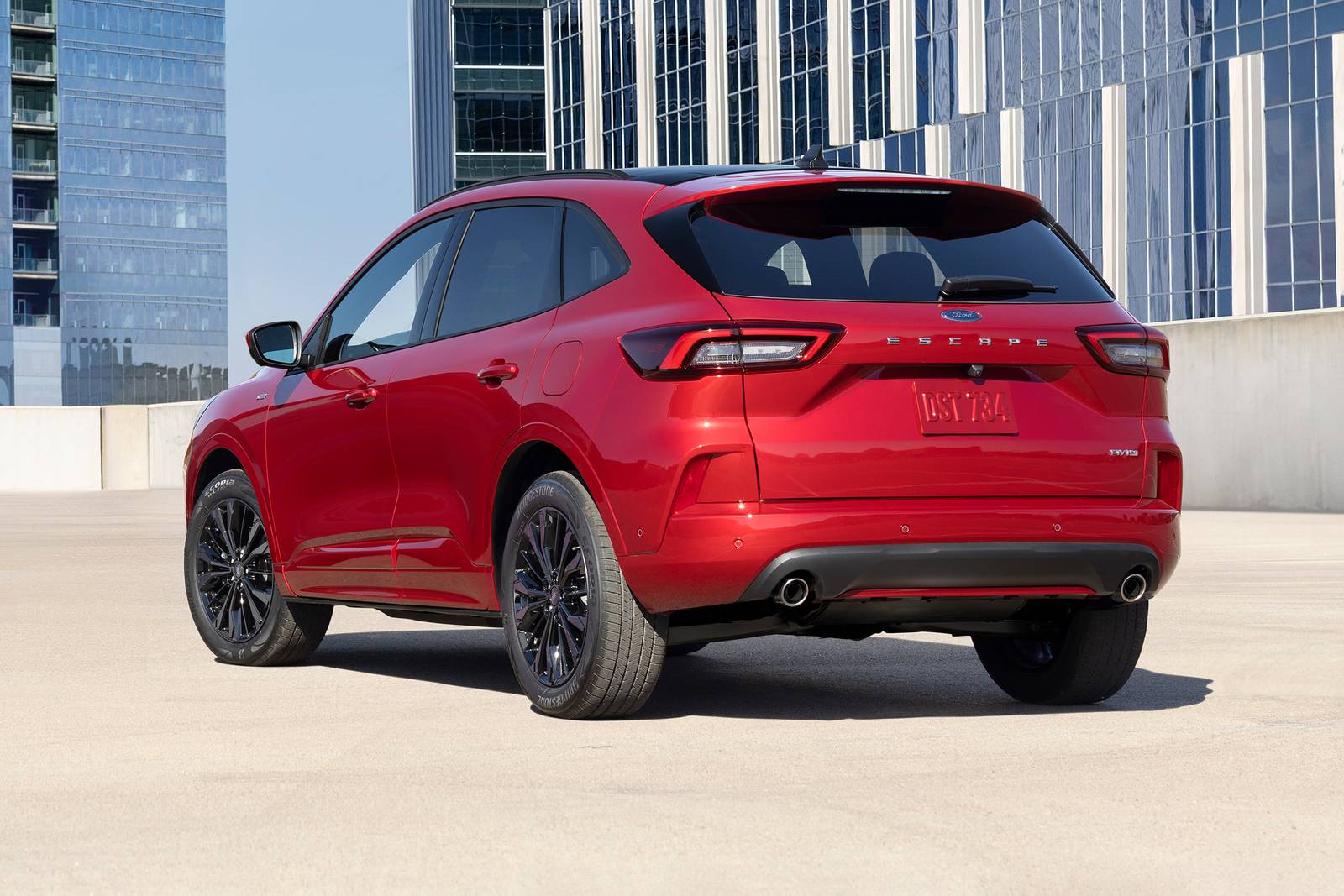
Ford Escape Recalls
Summary
Issue: On certain vehicles, the engine block heater could leak coolant. If this happens, the block heater could short circuit when it's plugged in. Note: This recall replaces Transport Canada recall no. 2025-554. Vehicles that were repaired under that recall don't require this repair. Safety Risk: A short circuit can create the risk of a fire. Corrective Actions: To reduce the safety risk, Ford advises you not to use the engine block heater until the recall repairs have been completed. Ford will notify owners by mail and advise you to take your vehicle to a dealership to replace the block heater.
Summary
Issue: On certain vehicles, the engine block heater could leak coolant. If this happens, the block heater could short circuit when it's plugged in. Note: This recall only affects certain vehicles equipped with a 2.0 L engine. Safety Risk: A short circuit can create the risk of a fire. Corrective Actions: To reduce the safety risk, Ford advises you not to use the engine block heater until the recall repairs have been completed. Ford will notify owners by mail and advise you to take your vehicle to a dealership to replace the block heater.
Summary
Issue: On certain vehicles, the left and right rear seat belt retractors may not have been secured properly. As a result, the seat belts may not work properly in a crash. Safety Risk: A seat belt that doesn't work properly could increase the risk of injury in a crash. Corrective Actions: Ford will notify owners by mail and advise you to take your vehicle to a dealership to inspect and secure or replace the rear seat belt retractor bolts, as necessary.
Summary
Issue: On certain vehicles, the hinge covers for the liftgate may not have been properly attached. As a result, the cover(s) could loosen and detach from the vehicle. Safety Risk: Parts that detach from the vehicle could create a hazard for others and increase the risk of a crash. Corrective Actions: Ford will notify owners by mail and advise you to take your vehicle to a dealership to inspect and secure or replace the liftgate hinge covers, as necessary.
Summary
Issue: On certain vehicles, the software update installed by a Ford dealer during recall 24S79 (Transport Canada recall no. 2024-781) may not be effective. As a result, a second repair is required. On certain vehicles, a problem inside the high-voltage battery could cause a short circuit. If this happens, there could be a loss of power to the wheels and/or the high-voltage battery could overheat. Note: This recall only affects certain plug-in hybrid vehicles (PHEV) equipped with a 2.5 L engine. Safety Risk: A loss of power to the wheels could increase the risk of a crash. A battery that overheats can create a fire risk, even while the vehicle is parked and turned off. Corrective Actions: To reduce the safety risk, Ford advises not to charge your vehicle until the recall repairs have been completed. Ford will notify owners by mail. The corrective actions for this recall are under development.
Summary
Issue: Certain vehicles may not meet the minimum stopping requirements of Canadian regulations. In particular, the vehicle may have an extended stopping distance if there is a loss of power brake assist. Note: This recall does not affect vehicles with an electronic brake booster (EBB). This recall replaces Transport Canada recall no. 2021-727. Vehicles that were repaired under that recall don't require this repair. Safety Risk: Reduced braking could cause extended stopping distances and increase the risk of a crash. Corrective Actions: Ford will notify owners by mail and advise you to take your vehicle to a dealership to replace the front brake pads.
Summary
This recall was replaced by Transport Canada recall no. 2026-005. Issue: On certain vehicles, the engine block heater could leak coolant. If this happens, the block heater could short circuit when it's plugged in. Safety Risk: A short circuit can create the risk of a fire. Corrective Actions: To reduce the safety risk, Ford advises you not to use the engine block heater until the recall repairs have been completed. Ford will notify owners by mail and advise you to take your vehicle to a dealership to replace the block heater.
Summary
Issue: On certain vehicles, a fuel injector may crack. If this happens, fuel could leak into the engine compartment. Note: This recall only affects vehicles equipped with a 1.5 L EcoBoost engine. This recall replaces Transport Canada recalls 2022-658, 2024-160 and 2025-134. Safety Risk: A fuel leak can create the risk of a fire. Corrective Actions: Ford will notify owners by mail. As an interim repair, a dealer will update the engine control software to detect fuel injector leaks. Owners that have already received this software update will be informed that the interim repair is not required. Once the final repair is available, Ford will notify owners by mail and advise you to take your vehicle to a dealership to replace the high-pressure fuel rail assembly, high-pressure fuel injectors, and update the engine control software.
Summary
Issue: On certain vehicles, a software problem could cause the rearview camera image not to display when the transmission is shifted into reverse. Canadian regulations require the rearview image to display when the vehicle is reversing. Safety Risk: A rearview camera image that doesn't display could reduce a driver's ability to see behind the vehicle while backing up. This could increase the risk of a crash. Corrective Actions: Ford will notify owners by mail and advise you to take your vehicle to a dealership to update the SYNC software.
Summary
Issue: On certain vehicles, the cylinder head may not have been manufactured properly. As a result, the cylinder head plug(s) could fail. If this happens, engine oil could leak and cause a loss of power to the wheels. Note: This recall only affects certain vehicles equipped with a 1.5 L engine. This recall could also affect certain cylinder heads sold at dealerships as a replacement part. Safety Risk: A loss of power to the wheels could increase the risk of a crash. Oil that leaks onto hot components can create the risk of a fire. Additionally, an oil leak could create a hazard for others and increase the risk of a crash. Corrective Action: Ford will notify owners by mail and advise you to take your vehicle to a dealership to inspect and, if necessary, replace the cylinder head.
Showing 1-10 of 80 recalls
Ford Escape by Year

Related Recall Checks
Check recalls for specific Ford Escape model years