industry
Jeep Fire Risk Recalls: What You Need to Know (Updated 2025)
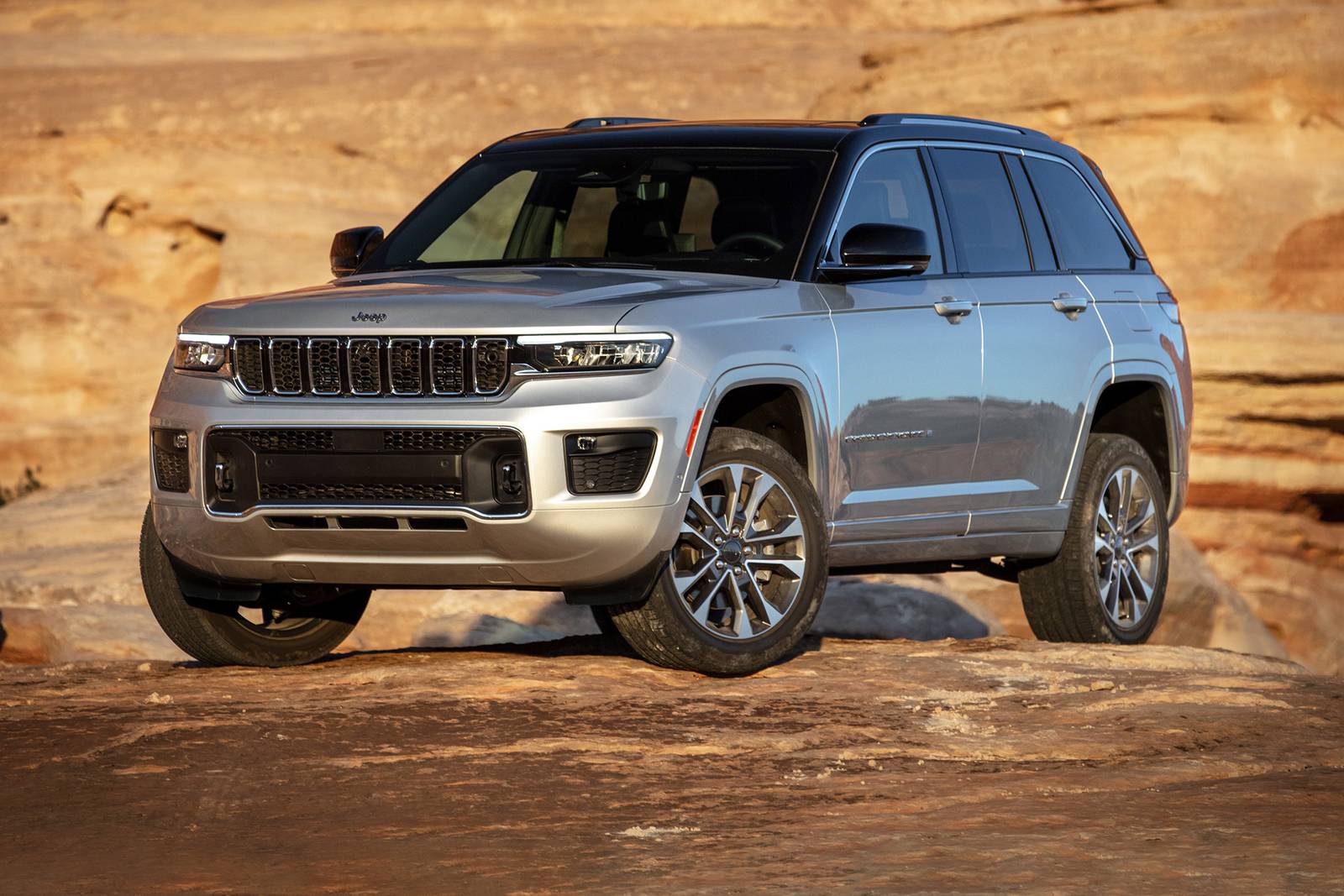
This is urgent. In November 2025—just weeks ago—Chrysler recalled 320,000 Jeep Wrangler 4xe and Grand Cherokee 4xe plug-in hybrids due to battery fire risks. Nineteen fires have already occurred, including in vehicles that were supposedly "fixed" in an earlier recall. Owners are being told not to charge their vehicles and to park outside, away from buildings.
But the Jeep fire crisis didn't start in 2025. It began decades ago with a design flaw that has killed at least 51 people and injured countless others. If you drive a 1993-1998 Jeep Grand Cherokee, a 2002-2007 Jeep Liberty, or any recent 4xe hybrid model, you need to read this immediately.
The Jeep fire recalls represent one of the most controversial safety crises in automotive history. In 2013, after NHTSA documented 37 rear-impact fires resulting in 51 deaths, Chrysler initially refused to recall 2.7 million vehicles. When they finally agreed under pressure, the "fix" was installing a trailer hitch—a remedy safety advocates called a "sham" that may have made the problem worse. Now, more than a decade later, new Jeep models face entirely different fire risks from battery defects.
If you own a Jeep, are considering buying one, or have a family member who drives one, this comprehensive guide explains which vehicles are affected, what went wrong, and exactly what you need to do to stay safe.

The Two Fire Crises: Old vs. New
Jeep's fire problems fall into two distinct categories with completely different causes:
Crisis 1: Legacy Fuel Tank Design (1993-2007)
- Affected: 1.56 million vehicles
- Issue: Rear-mounted plastic fuel tank behind axle, below bumper
- Deaths: 51+ confirmed
- Recall: 13V252000 (June 2013)
- Fix: Trailer hitch installation (highly controversial)
Crisis 2: Hybrid Battery Fires (2020-2026)
- Affected: 320,000+ vehicles (and growing)
- Issue: High-voltage battery cell defects
- Deaths: 0 deaths, 1 injury (so far)
- Recalls: 23V787000, 24V720000, 25V741000, 25V766000
- Fix: Still under development (do not charge, park outside)
Both crises share a common thread: design choices that prioritized other factors over fire safety, inadequate initial responses, and recall "fixes" that failed to fully address the danger.
The Legacy Crisis: Deadly Fuel Tank Design (1993-2007)
What Is the Defect?
For 14 model years, Jeep placed plastic fuel tanks behind the rear axle on Grand Cherokee and Liberty SUVs. When these vehicles were struck from behind—even in moderate-speed crashes—the fuel tank could rupture, spilling gasoline that ignited into deadly fires.
⚠️ THE DEFECT EXPLAINED
Problem: Plastic fuel tank mounted behind rear axle, positioned below and beyond the rear bumper. No protective structure shields the tank from rear impacts.
What Happens: In rear-end collisions, the striking vehicle's front can go under the Jeep's bumper and directly impact the exposed fuel tank. The plastic tank ruptures, fuel spills, and ignition sources (hot exhaust, sparks) cause immediate fire.
The Result: Occupants become trapped in rapidly spreading fires. At least 51 people have died, many of them children.
From NHTSA's investigation findings:
"The fuel tanks in these vehicles are at risk of failure and leakage in certain rear impacts. A fuel leak in the presence of an ignition source may result in a fire."
Why This Design Was Different
Most vehicles position fuel tanks:
- Ahead of the rear axle (between axle and passenger compartment)
- Above the rear axle (in protected areas)
- With structural shielding (cross-members, shields, protective barriers)
Jeep's ZJ (Grand Cherokee) and KJ (Liberty) platforms positioned the tank:
- Behind the rear axle
- Below the bumper line (hanging lower than rear protection)
- With minimal structural protection
- Made of plastic (punctures more easily than metal)
Industry experts testified that this configuration was similar to the Ford Pinto fuel tank design from the 1970s—one of the most notorious automotive safety failures in history.
The Death Toll: Real Victims
These aren't statistics—they're real people who died in survivable crashes because of fuel tank fires:
November 2013, Interstate 91, Massachusetts
A 27-year-old driver in a 1998 Jeep Grand Cherokee swerved to avoid debris on the highway and was struck by a tractor-trailer in the left rear. The Jeep spun 180 degrees, impacted a pickup truck, then hit a guardrail. All three impacts were to the rear or left rear. Witnesses reported the driver was on fire before he was ejected from the vehicle. He died at the scene.
From the NHTSA complaint filed by his family: "My nephew died in a fire after he was impacted from the rear while avoiding debris/people in the highway."
January 2013, Unspecified Location
A 1994 Jeep Grand Cherokee was involved in a crash where the consumer stated "the vehicle locked up, and went southbound and ended up in the woods." The front of the vehicle caught on fire. One occupant was killed, another injured. The airbags never deployed. The family believed the accident was a result of the fuel tank defect "in which Chrysler previously refused to recall the vehicles for."
October 2012, Stopped Traffic
A 1998 Jeep Grand Cherokee was hit from behind in stopped traffic and burst into flames. Two occupants died before they could escape. A consumer wrote to the White House: "The 1993-2004 Jeep Grand Cherokee has a plastic tank located behind the rear axle. The gas tank is larger and even extends below the rear bumper where a low-front-end vehicle can ride under it and rip the tank open."
November 2011, Crash Investigation
A 1997 Jeep Grand Cherokee was involved in an accident. The person who examined the vehicle "believed the fire was a direct result of a defective rear-mounted unprotected ZJ body fuel tank system. The individuals in the vehicle were involved in an accident, which they would have survived, if it weren't for the design of the fuel tank." One person died, one was injured.
These are just four of at least 51 confirmed deaths. Many involved children as passengers. In multiple cases, witnesses reported occupants were conscious and trying to escape but were overcome by flames before they could exit the vehicle.
Affected Vehicles: Complete List
The 2013 Recall (13V252000): 1.56 Million Vehicles
⚠️ LEGACY FUEL TANK DEFECT
If you own any of these vehicles, check if the recall repair was completed:
| Model | Model Years | Units Affected | Recall Number |
|---|---|---|---|
| Jeep Grand Cherokee | 1993-1998 | ~915,000 | 13V252000 |
| Jeep Liberty | 2002-2007 | ~645,000 | 13V252000 |
| Total | 1,560,000 |

Key Details:
- Recall Date: June 19, 2013
- Defect: Rear-mounted fuel tank vulnerable to rupture in rear impacts
- Consequence: Fire risk, potential death or injury
- Remedy: Installation of trailer hitch (see controversy section below)
NHTSA Database Shows:
- 559 fire-related complaints for these model years
- Multiple fatalities and injuries documented
- Complaints continue even after recall repairs
The 2020s Hybrid Battery Recalls: 320,000+ Vehicles
🔥 ACTIVE RECALL - DO NOT CHARGE
If you own a Jeep 4xe hybrid, DO NOT CHARGE IT and park outside away from buildings:
Latest Recall (25V741000 - October 2025):
| Model | Model Years | Units Affected | Status |
|---|---|---|---|
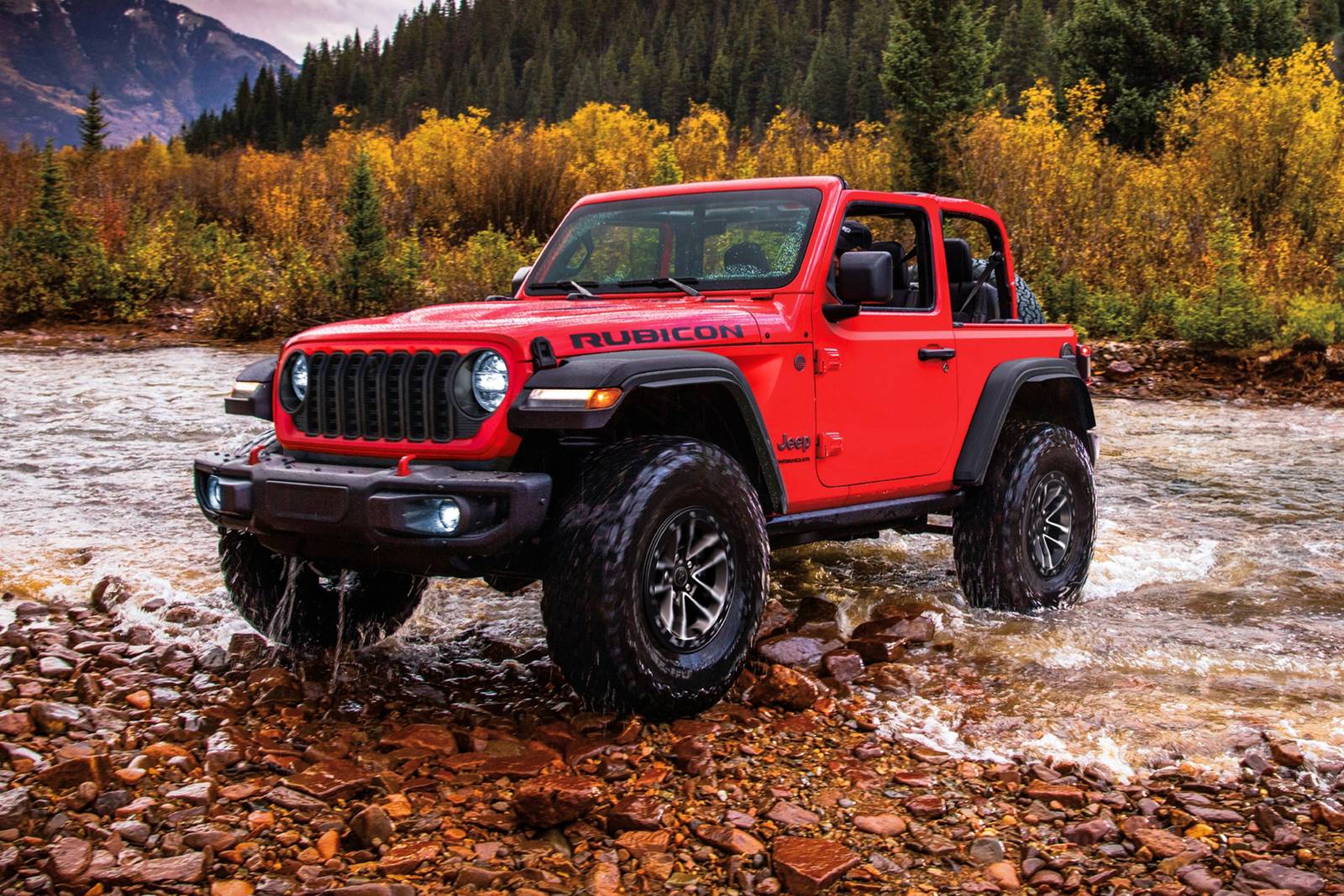
| Jeep Wrangler 4xe | 2020-2025 | 228,221 | DO NOT CHARGE |
| Jeep Grand Cherokee 4xe | 2022-2026 | 91,844 | DO NOT CHARGE |
| Total | 320,065 | PARK OUTSIDE |
The Problem: High-voltage battery packs manufactured with cells from Samsung SDI may fail internally and lead to a vehicle fire while parked or driving. Nineteen fires and one injury have been reported. Nine of these fires occurred in vehicles that already received the software fix from previous recalls 24V720000 and 23V787000.
Additional 4xe Fire Recalls:
25V766000 (November 2025) - Engine Debris Fire Risk:
- 2023-2025 Jeep Grand Cherokee 4xe
- 2024-2025 Jeep Wrangler 4xe
- 112,859 units
- Issue: Debris inside engine may cause engine failure, resulting in loss of drive power and/or engine compartment fire
Previous Battery Recalls (Superseded by Latest):
- 24V720000 (September 2024): 154,032 units - High voltage battery failure
- 23V787000 (November 2023): 32,125 units - PHEV battery fire risk
Other Recent Fire-Related Recalls:
23V116000 - Clutch Fire Risk (2018-2023 Wrangler/Gladiator):
- Vehicles with manual transmissions: 69,201 units
- Clutch pressure plate may overheat and fracture
- Consequence: Fire risk, debris on road, loss of drive
23V191000 - Fuel Tank Puncture Risk (2020-2022 Wrangler):
- 35,829 units
- Frame assembly stud may puncture fuel tank in crash
- Consequence: Fuel leak increases fire risk
24V926000 - Fuel Leak Risk (2024 Grand Cherokee):
- 631 units
- Radiator crossmember bolts not properly secured
- Consequence: Fuel leak during crash, fire risk
By the Numbers: The Full Scope
Our analysis of NHTSA recall and complaint databases reveals:
- 222 fire-related recalls affecting Jeep vehicles since the 1990s
- At least 51 confirmed deaths from fuel tank fires (1993-2007 models)
- 559 fire-related complaints specifically for Grand Cherokee (1993-2007) and Liberty (2002-2007)
- 19 battery fires in 4xe hybrids (2020-2025 models)
- Multiple recall campaigns for the same issue (4xe battery defect now on third recall attempt)
The Controversy: Why the "Fix" Failed
Chrysler's Initial Refusal
When NHTSA formally requested a recall in June 2013, Chrysler initially refused—a highly unusual move. Most manufacturers comply with NHTSA recall requests to avoid public controversy and regulatory escalation.
Chrysler's argument: The vehicles met safety standards at the time of manufacture and performed as well as or better than comparable vehicles from the same era.
NHTSA's response: The vehicles had a fire risk in rear-end collisions that resulted in at least 51 deaths. Comparable vehicles did not have fuel tanks positioned behind the rear axle in such an exposed location.
The Trailer Hitch "Solution"
Under pressure, Chrysler agreed to a voluntary recall—but with a remedy that safety advocates immediately criticized as inadequate: installing a trailer hitch.
Chrysler's claim: The trailer hitch provides an additional structure between the rear bumper and fuel tank, offering "incremental safety benefits in certain low and moderate speed crash incidents."
The problems with this fix:
-
NHTSA's own assessment stated the repair "will not necessarily be effective in the most severe crashes"—the exact scenarios that caused the 51 deaths.
-
Chrysler's former VP of Engineering testified that trailer hitches do not protect the fuel tank.
-
The Center for Auto Safety noted that the trailer hitch does nothing to prevent the deadliest failure mode where the nose of a striking vehicle goes under the bumper and directly hits the low-hanging tank.
-
New post-recall deaths occurred in vehicles with trailer hitches installed, with some experts arguing the hitch itself pierced the fuel tank in certain crashes.
-
No crash testing was performed to validate the effectiveness of the trailer hitch remedy, unlike the comprehensive crash testing done for the Ford Pinto recall.
The NHTSA Administrator Resignation Scandal
On January 17, 2014—the same day NHTSA officially closed its investigation and approved Chrysler's trailer hitch remedy—NHTSA Administrator David Strickland resigned to take a job at Venable LLC, a Washington lobbying firm that represents Chrysler.
The Center for Auto Safety's Executive Director Clarence Ditlow called the timing "highly suspicious" and described the trailer hitch recall as a "sham."
Post-Recall Fires Continue
Even after the 2013 recall, fire incidents continued:
September 2017: A fatal crash involving a 2004 Jeep Grand Cherokee with the trailer hitch remedy installed resulted in a fire death. Safety advocates renewed criticism of the recall fix, questioning whether it provided any real protection.
Ongoing complaints: The NHTSA database shows fire complaints continuing to be filed for 1993-2007 model Grand Cherokees and Libertys, including some where owners report the trailer hitch was installed.
The 4xe Battery "Double Recall" Problem
The hybrid battery fire crisis shows troubling parallels to the fuel tank controversy—specifically, recall "fixes" that don't work:
- First recall (23V787000 - November 2023): Software update to detect battery issues
- Second recall (24V720000 - September 2024): Expanded software fix
- Third recall (25V741000 - October 2025): Admits previous fixes failed; 9 of the 19 fires occurred in vehicles that already had the earlier software fix applied
This pattern mirrors the Takata airbag "double recall" scandal where vehicles received defective replacement parts and needed to be recalled again. It severely erodes consumer trust when manufacturers claim a problem is "fixed" only to have fires continue occurring.
Why Jeep Fires Are Different (and Deadlier)
Rear-Impact Vulnerability
Most vehicle fire risks involve:
- Engine compartment fires (mechanical failures, electrical shorts)
- Post-collision fires in severe frontal crashes
- Underbody fires from road debris or exhaust issues
These typically give occupants some warning and time to exit the vehicle.
Jeep's rear fuel tank fires are different:
-
Instantaneous ignition: Fuel spills immediately upon tank rupture and ignites within seconds from hot exhaust or crash sparks
-
Blocks the exit: Rear-end collisions often damage rear doors/hatches, trapping occupants while fire spreads from the rear forward
-
No warning: Unlike engine fires that may show smoke or warning lights, fuel tank ruptures happen instantly during the crash
-
Survivable crashes turn deadly: Many of the 51 deaths occurred in crashes where occupants would have survived without the fire—moderate rear impacts, not high-speed collisions
The "Fireball Effect"
Multiple witness accounts and crash reports describe these fires as explosive:
- "Burst into flames" before occupants could escape
- "Driver was on fire" while still inside the vehicle
- Vehicle became fully engulfed within 60-90 seconds
- Witnesses unable to approach vehicle to assist due to intense heat
This differs dramatically from typical vehicle fires, which develop more slowly and allow time for evacuation.
Battery Fires: A Modern Danger
The 4xe hybrid fires present different risks:
- Can occur while parked (not just in crashes)
- Can happen while charging (creating home/garage fire risks)
- Thermal runaway: Battery cell fires can cascade to adjacent cells
- Difficult to extinguish: Lithium-ion battery fires require special firefighting techniques
- Reignition risk: Batteries can reignite hours after initial fire is extinguished
Stellantis's warning to park outside and away from buildings reflects the serious property damage risk these fires pose.
How to Check Your Jeep
✅ ACTION CHECKLIST
- Find your VIN (17 characters on dashboard, door jamb, or registration)
- Check for open recalls using methods below
- If you own a 4xe hybrid: STOP CHARGING IMMEDIATELY and park outside
- If you own a 1993-2007 model: Verify trailer hitch was installed
- Contact dealer for recall information and remedy status
- Consider trading in high-risk models for safer alternatives
Method 1: NHTSA VIN Lookup (Official)
- Go to: https://www.nhtsa.gov/recalls
- Enter your 17-character VIN
- Results show all open and completed recalls
Method 2: Cardog VIN Check
Cardog's platform cross-references both NHTSA and Transport Canada recall databases:
Method 3: Jeep Owner Site
Visit https://www.jeep.com/recall.html and enter your VIN for Stellantis's official recall check.
What the Results Mean
For 1993-2007 Grand Cherokee / Liberty:
- If recall 13V252000 shows "open" → Trailer hitch not installed, schedule service
- If recall shows "complete" → Hitch installed, but understand it provides limited protection
- Consider: Is this vehicle worth the risk? Trade-in value may be affected
For 2020-2026 4xe Hybrids:
- If any recall shows "open" → STOP CHARGING, PARK OUTSIDE NOW
- If recalls show "complete" → Still at risk (9 fires occurred AFTER software fix)
- Dealer will provide updates when hardware fix becomes available
- Consider: Request loaner vehicle or trade in for non-hybrid model
What You Should Do Now
If You Own a 1993-2007 Grand Cherokee or Liberty
Immediate Actions:
- Check recall completion status using your VIN
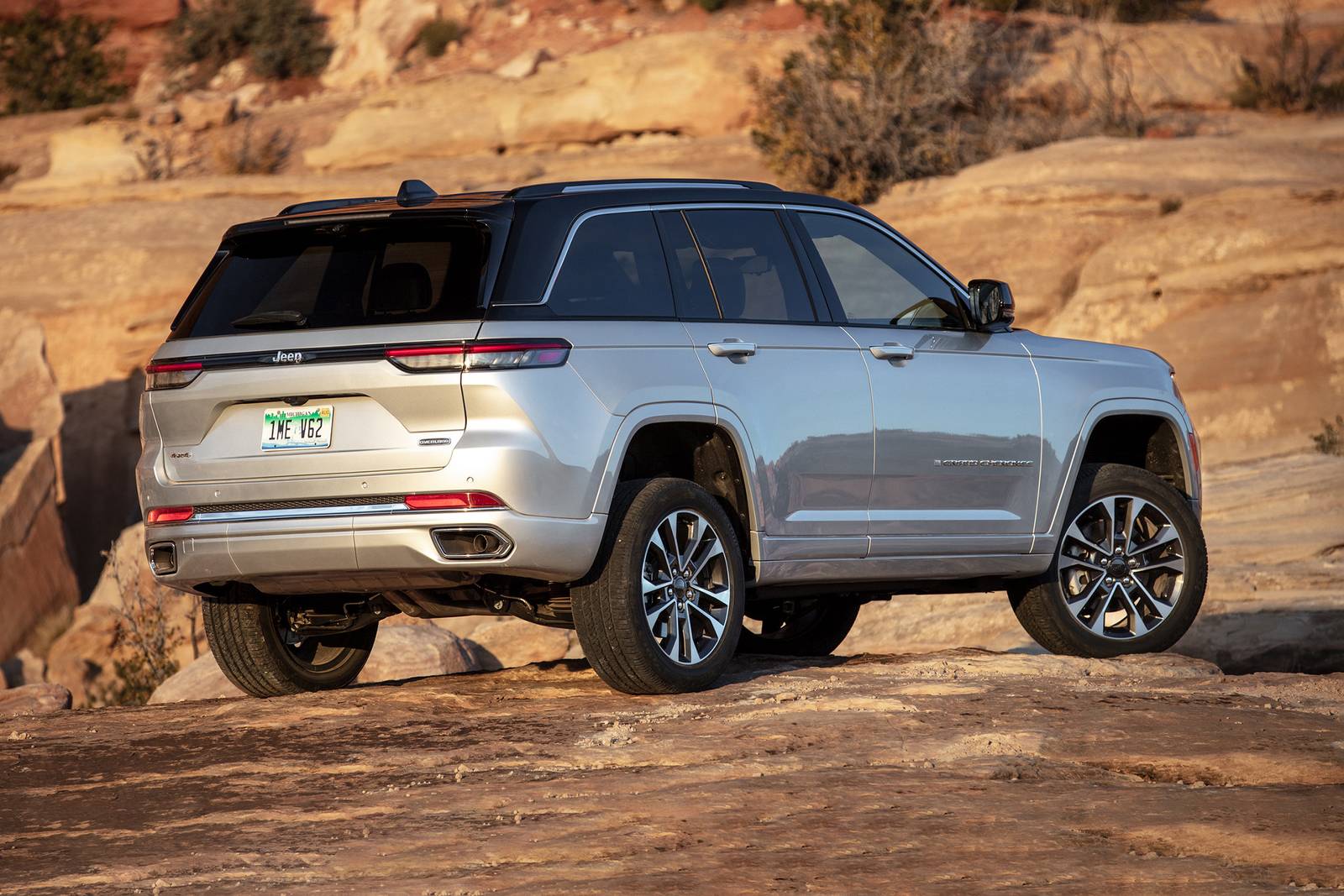
- Verify trailer hitch installation (look under rear bumper for tow hitch)
- Review your insurance coverage for fire damage
- Avoid highway driving in heavy traffic (rear-end collision scenarios)
- Park away from other vehicles when possible
Understand the Limitations:
The trailer hitch provides minimal protection. Safety experts agree it's inadequate. You are still at risk in rear-end collisions. Consider:
- Trading in the vehicle for a newer model with safer fuel tank placement
- Buying comprehensive insurance if you keep the vehicle
- Avoiding long family trips where multiple occupants are at risk
Financial Reality:
These vehicles' resale values have been impacted by the recall controversy. Dealers and private buyers are aware of the fire risk. You may need to accept lower offers. However, your safety is worth more than the depreciation cost.
If You Own a 2020-2026 4xe Hybrid
STOP CHARGING IMMEDIATELY
This is not optional. Stellantis has instructed owners to:
🚫 DO NOT CHARGE YOUR VEHICLE
- Unplug your vehicle if currently charging
- Do not charge at home or public charging stations
- Park outside, away from buildings, other vehicles, and combustibles
- Do not park in garages, carports, or near homes
- Contact your dealer immediately
Contact Stellantis:
- Chrysler Customer Service: 800-853-1403
- Recall Number: 68C (for the latest 25V741000 recall)
- Ask about: Loaner vehicles, rental reimbursement, trade-in assistance
Request a Loaner:
Many dealers will provide free loaner vehicles while you wait for the fix to be developed. You should not have to pay for alternative transportation due to a manufacturer defect.
Consider Trading In:
The hybrid system may have inherent design flaws. Even after a "fix" is developed, ask yourself: Do you trust this vehicle? Three separate recalls for the same battery issue suggests fundamental problems. Trading for a non-hybrid Wrangler or Grand Cherokee may be the safest option.
If You're Buying a Used Jeep
⚠️ BUYER BEWARE
Before purchasing ANY used Jeep:
- Get VIN from seller BEFORE viewing vehicle
- Run NHTSA recall check and Cardog VIN report
- Check specifically for fire-related recalls
- Verify recall repairs completed (demand documentation)
- Consider walking away from high-risk models
Red Flags:
- 1993-2007 Grand Cherokee or Liberty without trailer hitch installed
- Any 4xe hybrid with open battery recalls
- Seller refuses to provide VIN for checking
- Seller says "I'll get the recall fixed after sale" (don't believe it—get it in writing and verified)
- Vehicle has fire damage history (check CarFax/AutoCheck)
Better Alternatives:
If you want a Jeep, consider model years and trims that avoid the fire risks:
- Grand Cherokee: 2011-2021 (WK2 generation) gas models - fuel tank ahead of rear axle
- Wrangler: 2018-2024 (JL generation) gas models - avoid 4xe
- Cherokee: 2014-2023 (KL generation) - different platform, no rear fuel tank issue
- Gladiator: 2020-2024 gas models - avoid manual transmission (clutch fire recall)
For specific model year recommendations, check:
- Most Recalled Jeep Models (comparative recall analysis)
- Jeep Wrangler Market Guide
- Jeep Grand Cherokee Market Guide
Lawsuits & Settlements
Class Action Lawsuits
Multiple class-action lawsuits have been filed against Chrysler/Stellantis regarding the fuel tank fires:
Legal Claims:
- Design defect: Rear-mounted fuel tank location
- Failure to warn: Owners not adequately informed of risks
- Inadequate remedy: Trailer hitch doesn't address the defect
- Fraudulent concealment: Chrysler knew of deaths before recall
- Diminished value: Vehicles worth less due to defect/recall
Settlement Status:
Several lawsuits settled for undisclosed amounts. Lieff Cabraser, a major law firm handling Jeep fire cases, has represented multiple families in wrongful death claims.
Settlements typically include:
- Compensation to injury/death victims and families
- Economic damages for diminished vehicle value
- Attorneys' fees
Specific settlement amounts are usually confidential due to non-disclosure agreements.
Individual Wrongful Death Cases
Families of victims killed in Jeep fuel tank fires have filed individual lawsuits. These cases typically argue:
- Product liability: Defective design caused death
- Negligence: Chrysler knew or should have known of the danger
- Wrongful death damages: Loss of life, pain and suffering, economic loss
Notable Aspects:
- Some cases involve children who died as passengers
- Expert testimony about fuel tank design from automotive engineers
- Comparisons to Ford Pinto design (established legal precedent)
- Evidence of Chrysler's awareness of fire deaths before recall
If You've Been Affected:
If you or a family member was injured or killed in a Jeep fire, consult a product liability attorney. Many firms offer free consultations and work on contingency (no fee unless you win). Time limits (statutes of limitation) apply, so don't delay.
4xe Battery Fire Legal Action
Legal action regarding the 4xe battery fires is in early stages. Potential claims include:
- Breach of warranty: Vehicle not fit for purpose if you can't charge it
- Lemon law claims: Vehicle substantially impaired (multiple failed repair attempts)
- Economic damages: Loss of vehicle use, diminished value
- Property damage: If fire caused damage to home/garage
Lemon Law Consideration:
If your 4xe has been in the shop multiple times for the same battery issue, or if you've been without the vehicle for extended periods, you may qualify for lemon law protection. Several lemon law firms are now accepting Jeep 4xe cases.
Frequently asked questions
Conclusion: Two Decades of Fire Risks
The Jeep fire crisis spans more than 20 years and two completely different defects—but shares a common pattern of inadequate initial responses and controversial recall remedies.
For the legacy fuel tank issue: 51 people died before Chrysler agreed to recall 1.56 million vehicles. When they finally did, the "fix" was installing a trailer hitch that safety experts called ineffective. Fires continued even after recall repairs. A decade later, these vehicles remain on the road with a design flaw that cannot be fully corrected without replacing the entire fuel tank system—something Chrysler never offered to do.
For the 4xe battery issue: Three separate recalls in two years, with the latest admitting that vehicles already "fixed" are still catching fire. Owners are now told not to use a primary feature of their hybrid vehicle (charging) and to park outside due to fire danger. The fix is still "under development."
If you own an affected Jeep, act now:
- Check your VIN immediately at nhtsa.gov/recalls or Cardog's recall database
- If you own a 4xe: Stop charging, park outside, contact your dealer
- If you own a 1993-2007 model: Verify hitch installation, consider trading in
- If buying used: Avoid high-risk models or demand proof of recall completion
Fifty-one people died in fuel tank fires. Nineteen 4xe battery fires have occurred (so far). Don't become the next statistic.
Related Reading:
- Takata Airbag Recall List - Another deadly recall affecting millions
- Ford Recall History - Comparative recall analysis
- EV Battery Fire Risks - Understanding hybrid/electric vehicle fire dangers
Check before you buy:
This recall crisis is still active. Check your vehicle today.