The Most Insane Vehicle Recalls of January 2026: Cars That Catch Fire While Parked
The Most Insane Vehicle Recalls of January 2026
Every month, Transport Canada and NHTSA issue dozens of vehicle recalls. Most are mundane—a software glitch here, a loose bolt there. But occasionally, recalls emerge that make you wonder how these vehicles ever left the factory.
January 2026 has been a month for the ages. We have electric vehicles that can spontaneously combust while parked in your garage. Parking brakes that randomly engage while you are driving down the highway. Doors that might fly open mid-drive. Seatbelts that could detach in a crash.
These are not hypothetical risks buried in legal disclaimers. These are active recalls affecting real vehicles on Canadian and American roads right now.
Volkswagen ID.4: Battery Fire Risk
Recall 2026018 | January 21, 2026 | 136 units (2023-2024)
The high-voltage battery cells in certain Volkswagen ID.4 vehicles were not manufactured properly, causing the battery to overheat. The consequence: the battery can catch fire even while the car is parked and turned off.
Let that sink in. Your car can catch fire while it is sitting in your garage, turned off, doing absolutely nothing. Not while charging. Not while driving. Just existing.
Volkswagen's interim guidance reads like something from a disaster preparedness manual. Set maximum charge limit to 80%. Do not use DC fast charging. Park outdoors, away from structures—meaning no garage, no carport, no parking near your house. Volkswagen is essentially saying they cannot guarantee this vehicle will not spontaneously combust, so please do not park it anywhere near anything you value.
The nature of the defect is what makes this recall stand out. Unlike many EV battery issues that manifest during charging or high-performance driving, this defect can cause fires when the vehicle is completely idle. There is no warning. There is no "check engine" light for "your car might explode." And as of the recall date, Volkswagen has not announced a permanent remedy. The interim measures are stopgap solutions while engineers work on the actual fix.
If you own a 2023 or 2024 ID.4, check your VIN immediately to determine if your vehicle is affected.
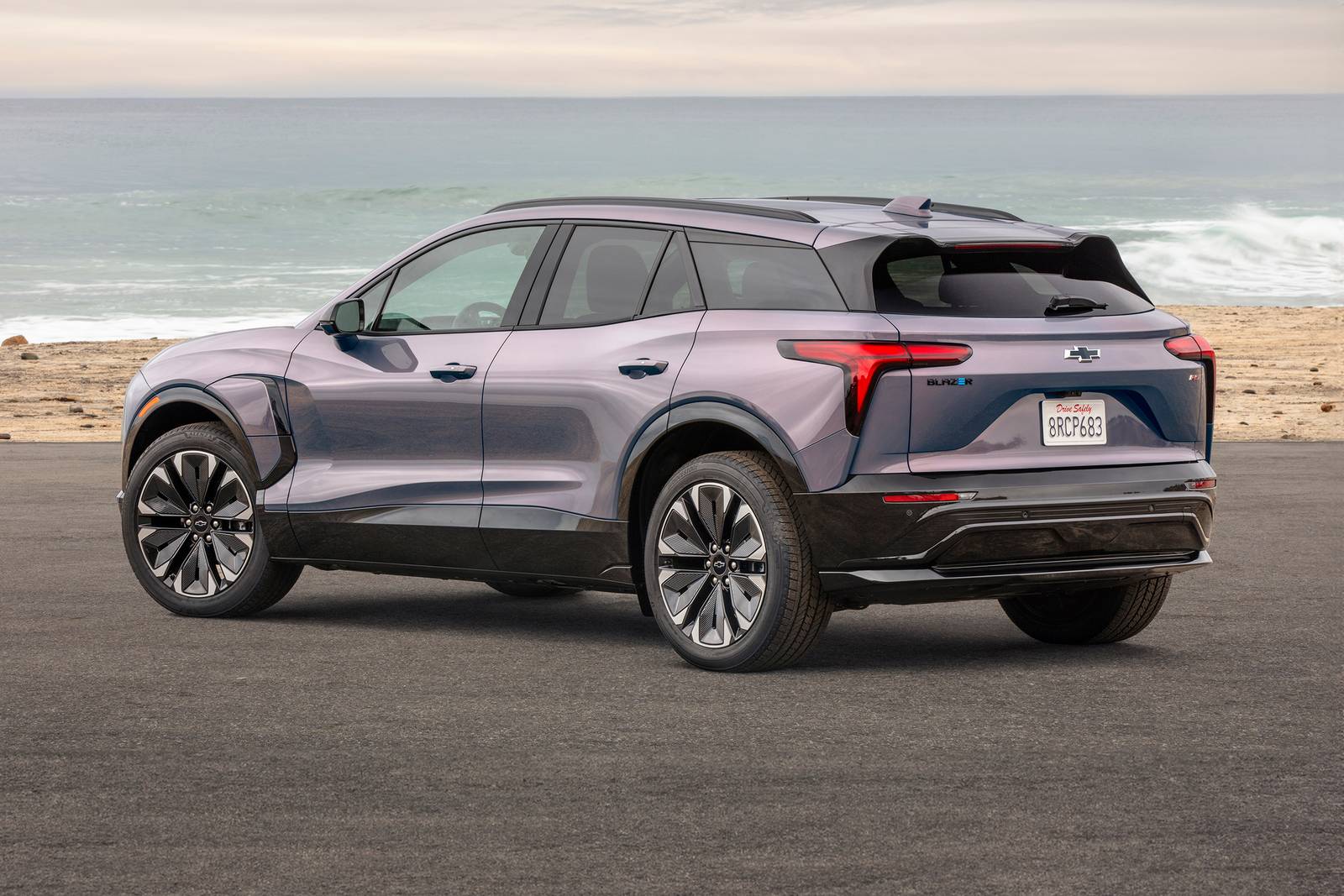
Chevrolet Blazer EV: Parking Brake Chaos
Recall 2026020 | January 22, 2026 | 45 units (2024-2025)
The Chevy Blazer EV recall presents owners with a choose-your-own-adventure of brake failures. The parking brake wiring harness may become damaged or corroded, leading to two possible scenarios.
Scenario A: your parking brake randomly self-applies while you are driving down the highway at 100 km/h. Imagine the chaos of your rear wheels suddenly locking up in traffic.
Scenario B: you park on a hill, set your parking brake, and walk away. The brake does not actually engage. Your car rolls into traffic, other vehicles, or pedestrians.
Here is where it gets truly ridiculous. This is not the first time these Blazer EVs have been recalled for this issue. Dealers previously attempted to fix the problem under an earlier recall campaign. They botched it. The current recall exists because the original repair was not performed correctly.
This pattern of failed recall repairs is unfortunately not unique. We saw similar issues with the Jeep 4xe battery recalls, where vehicles continued catching fire even after receiving the software "fix." It raises serious questions about quality control in both manufacturing and dealership service departments.
Nissan Kicks: Doors That Fly Open
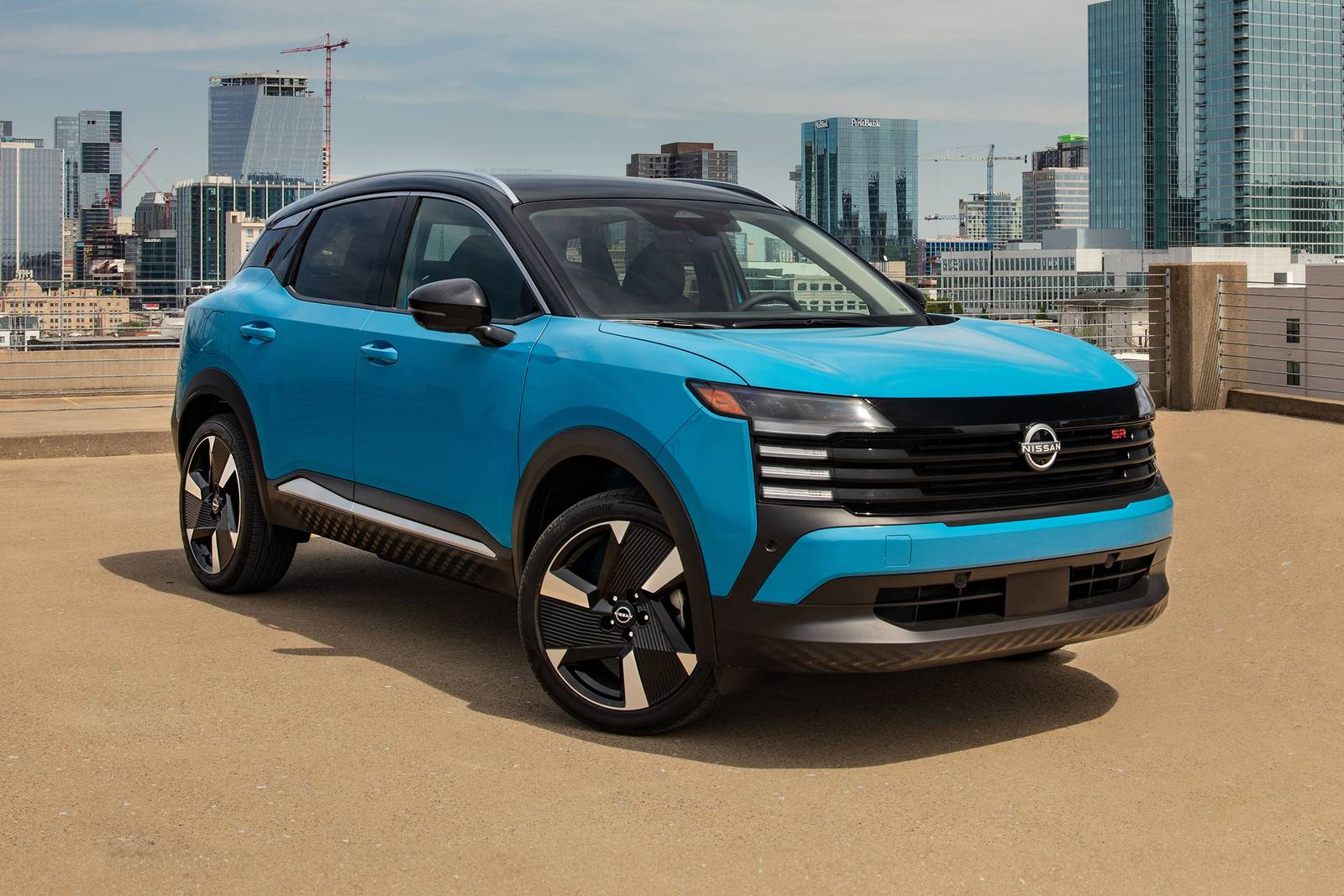
Recall 2026016 | January 20, 2026 | 843 units (2026)
The door striker is a simple component—the metal loop that the door latch catches when you close your door. It needs to do exactly one thing: keep the door closed. In certain Nissan Kicks, the strikers may not have been manufactured properly.
When door strikers fail while driving, the door swings open unexpectedly. At highway speeds, this creates massive aerodynamic instability, potential for occupants (especially children) to fall out, and distraction that can lead to accidents. During a crash, the door is supposed to stay closed to protect occupants within the vehicle's safety cell. If the striker fails during impact, occupants can be ejected, dramatically increasing the severity of injuries.
What makes this recall particularly frustrating is that it affects brand-new 2026 model year vehicles. These cars just rolled off the assembly line, and they already have a fundamental safety defect.
Rivian R1T and R1S: Seatbelt Failure

Recall 2026009 | January 15, 2026 | 18 units (2023-2025)
The second-row seatbelt retractors in certain Rivian vehicles may not have been installed properly. The consequence: seatbelts could loosen or completely detach during a crash.
Rivian's recall affects only 18 vehicles, but the company's guidance to owners is stark—do not put passengers in the back seats until the vehicle is repaired.
Think about what that means for a family vehicle. The R1S is marketed as a three-row SUV for families. The R1T is a pickup truck where rear passengers are common. Rivian is telling owners that half their seating capacity is essentially unusable until further notice.
Seatbelts are the single most effective safety device in vehicles, reducing fatality risk by roughly 45% for front-seat occupants. A seatbelt that does not work is worse than no seatbelt at all because occupants believe they are protected when they are not.
The Numbers
| Recall | Manufacturer | Units | Primary Risk |
|---|---|---|---|
| 2026018 | Volkswagen | 136 | Spontaneous fire while parked |
| 2026020 | Chevrolet | 45 | Parking brake failure |
| 2026016 | Nissan | 843 | Doors opening unexpectedly |
| 2026009 | Rivian | 18 | Seatbelt failure in crash |
Total vehicles affected from these four recalls: 1,042 units. While that might seem small compared to the millions of vehicles on Canadian roads, each affected vehicle represents a potential tragedy. And these are just the standout recalls from January 2026.
The Broader EV Battery Problem
The Volkswagen ID.4 recall is not an isolated incident. Electric vehicle battery fires have become an increasingly common recall category, and we have been tracking the data on EV battery fire risks for some time now.
The Chevrolet Bolt EV/EUV recall affected 141,000 vehicles and cost GM $1.8 billion. The Hyundai Kona Electric recall hit 82,000 vehicles globally. The Jeep Wrangler 4xe and Grand Cherokee 4xe fire crisis has affected over 320,000 vehicles across multiple recall attempts that keep failing to solve the problem.
The common thread in many of these recalls is manufacturing defects in battery cells, often from the same suppliers. LG Chem batteries were implicated in both the Chevy Bolt and Hyundai Kona recalls. Samsung SDI batteries are involved in the Jeep 4xe issues.
This is not to say EVs are inherently dangerous—statistically, they have a 61x lower fire rate than gasoline vehicles. But when EV battery fires do occur, they burn hotter (up to 5,000°F vs 1,500°F for gasoline), require 20,000-40,000 gallons of water to extinguish, can reignite hours or days later due to thermal runaway, and can occur while the vehicle is parked and turned off.
What You Should Do
If you own any of these vehicles, check your VIN at Cardog or Transport Canada to confirm whether your specific vehicle is affected. Follow all interim guidance from the manufacturer, contact your dealer to schedule repairs, and document everything in case of future issues.
For the VW ID.4 specifically: do not charge above 80%, avoid DC fast charging entirely, and park outdoors away from structures even if not charging.
For the Blazer EV: contact your dealer to verify whether your vehicle received the original (failed) repair, then schedule the new recall repair.
For the Nissan Kicks: have your vehicle inspected immediately and avoid highway driving until the door strikers are verified or replaced.
For the Rivian R1T/R1S: do not allow passengers in the second row until the repair is completed.
The Takeaway
January 2026's recall highlights demonstrate that no manufacturer is immune to serious safety defects. Volkswagen is an established automaker with decades of experience. Chevrolet is a General Motors brand with massive resources. Nissan is a global manufacturer with extensive quality control. Rivian is a newer EV startup still building its reputation. And yet each of these companies released vehicles with defects that could kill or seriously injure occupants.
If you are shopping for a new or used vehicle, checking the recall history is no longer optional. It is essential due diligence. A vehicle with multiple fire-related recalls—like the patterns we have documented in our coverage of EV battery fire risks and the Takata airbag crisis—tells you something about that manufacturer's quality control. A recall that has been issued multiple times for the same problem, like the Blazer EV, tells you even more.
Because the best time to learn about a fire risk recall is before that vehicle is parked in your garage.