The Most Insane Vehicle Recalls of February 2026: When Dealer Repairs Fail
The Most Insane Vehicle Recalls of February 2026
Last month, we covered the most insane recalls of January 2026, featuring electric vehicles that could spontaneously combust while parked. We thought that was as bad as it could get.
We were wrong.
February 2026 has revealed something arguably worse: a pattern of failed recall repairs. Multiple manufacturers have issued recalls this month because their previous attempts to fix problems did not actually work. Mercedes-Benz owners are being told to park outdoors again because two prior recall campaigns failed to solve the battery fire risk. Ducati riders are being called back because the first brake hose repair was ineffective.
Add to that brand-new 2026 vehicles shipping with fundamental safety defects, a Kawasaki UTV that shoots metal fragments from its transmission, and Nissan recalling nearly 90,000 vehicles for engine fires, and you have a month that makes January look almost quaint.
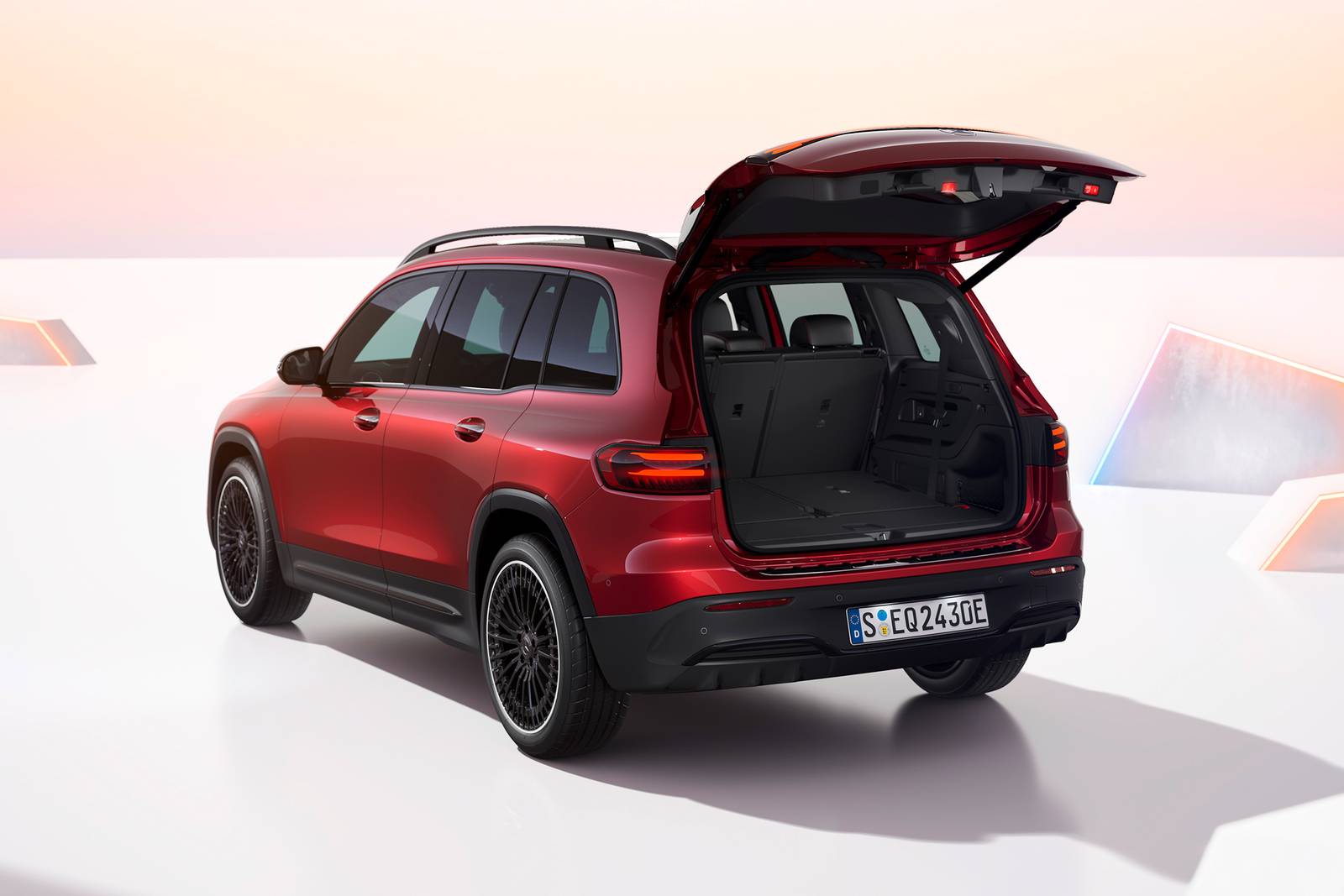
Mercedes-Benz EQB: Third Time Is Not the Charm
Recall 2026052 | February 2026 | 837 units (2022-2023)
The Mercedes-Benz EQB recall is the most troubling of the month, not because of the defect itself—which is terrifying—but because of what it reveals about the recall repair process.
The high-voltage battery in certain EQB vehicles can overheat and short circuit. The consequence: fire risk, even while the vehicle is parked and turned off. If this sounds familiar, you read our January coverage of the Volkswagen ID.4 recall.
But here is what makes the Mercedes recall different: this is the third attempt to fix the problem.
Mercedes previously issued recalls 2025-041 and 2025-527 for the same battery issue. Dealers performed repairs. Owners thought their vehicles were safe. They were not. The previous fixes failed, and now 837 EQB owners are back to square one—or worse, since they may have been parking their "repaired" vehicles in garages this entire time.
Mercedes-Benz's interim guidance is identical to what we have seen from other EV fire recalls: charge to 80% maximum, and park outdoors away from structures until the repair is completed. The company will replace the high-voltage battery entirely, which suggests the previous software-focused fixes were insufficient.
This pattern of failed recall repairs is becoming disturbingly common. We documented similar issues with the Jeep 4xe fire recalls and the Chevy Blazer EV parking brake recall. At what point do repeated failed repairs constitute a lemon law claim? That is a question more owners are asking.
Nissan Rogue: 90,000 Engines at Risk
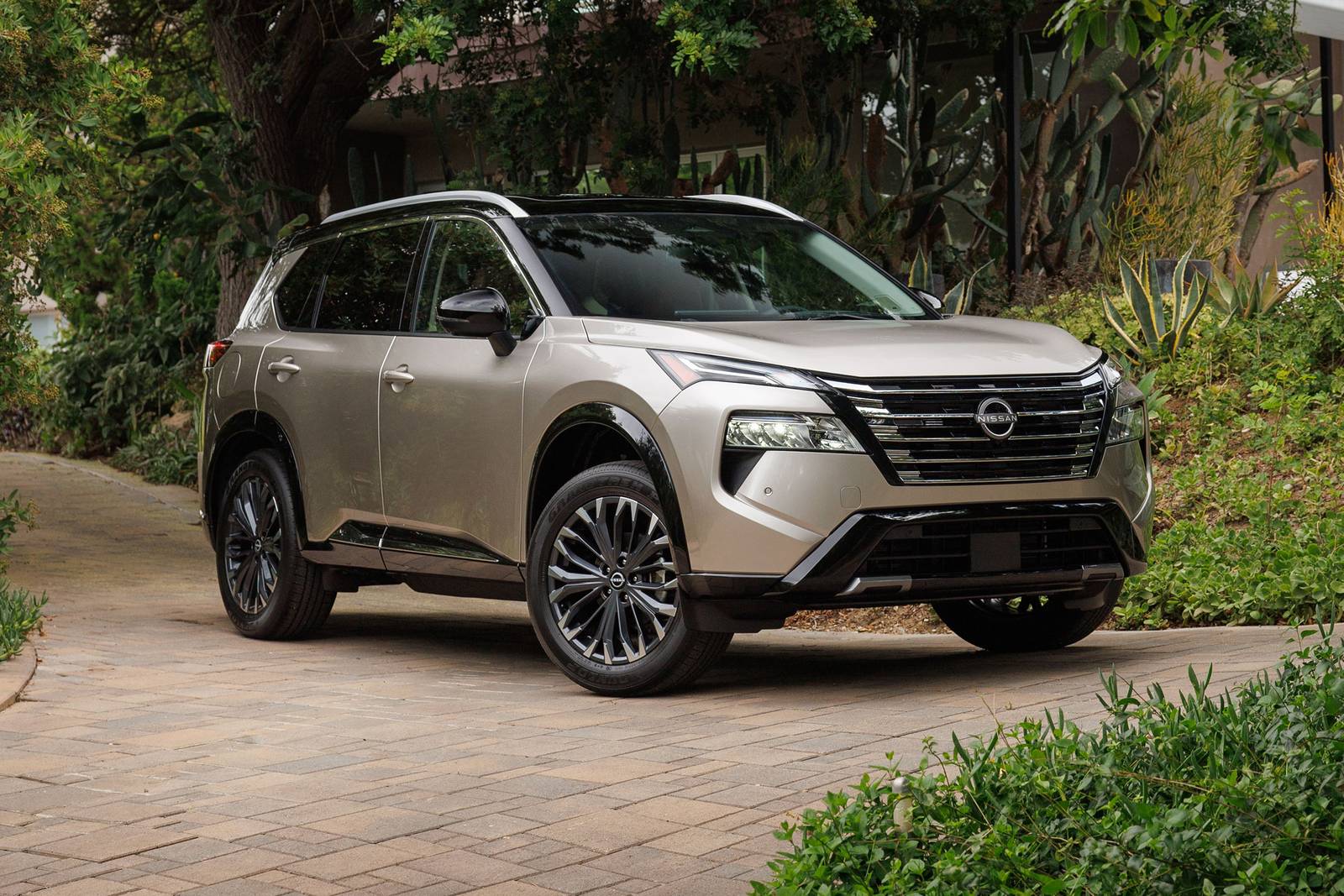
Recall 2026055 | February 2026 | 42,722 units (2023-2025)
Recall 2026056 | February 2026 | 47,559 units (2023-2025)
The Nissan Rogue is one of Canada's best-selling compact SUVs. It is also the subject of not one but two major recalls affecting the same 2023-2025 model year vehicles equipped with the 1.5L variable compression turbo engine.
The first recall (2026055) addresses a manufacturing defect that can cause abnormal engine noises, engine failure, and fire risk. The second recall (2026056) addresses the electronic throttle chamber, which can fail and cause complete loss of power to the wheels.
Together, these recalls affect approximately 90,000 vehicles in North America. That is not a manufacturing outlier. That is a systemic failure in Nissan's variable compression engine production.
The variable compression turbo engine was supposed to be revolutionary technology—the world's first production engine that could dynamically change its compression ratio for optimal efficiency. Instead, it has become a reliability headache that affects a significant portion of Nissan's recent Rogue production.
Nissan's fix involves updating the engine control module and inspecting—or in some cases replacing—the engine or electronic throttle chamber. If your 2023-2025 Rogue has the 1.5L turbo engine, check your VIN immediately.
Kawasaki Teryx5 H2: When Metal Becomes a Projectile
Recall 2026051 | February 2026 | 110 units (2026)
The Kawasaki Teryx5 H2 recall is short on affected units but absolutely unhinged in its defect description.
The transmission can fail in a way that propels metal fragments from the vehicle.
Read that again. The transmission does not just fail. It fails so catastrophically that it shoots shrapnel outward. Kawasaki's recall notice instructs owners to "stop using immediately" and notes that corrective actions are still under development.
This is a brand-new 2026 model year vehicle. The Teryx5 H2 is Kawasaki's supercharged side-by-side utility vehicle, marketed for both recreational and work use. These vehicles just started reaching dealers, and they are already too dangerous to operate.
What makes this recall unusual is the complete absence of a remedy. Most recalls provide at least a temporary fix or workaround. Kawasaki is essentially saying: we do not know how to fix this yet, so please do not use the vehicle at all. The 110 owners who purchased these machines are left with expensive paperweights until Kawasaki develops a solution.
Chevrolet Suburban: Wheels That Lock at Highway Speed
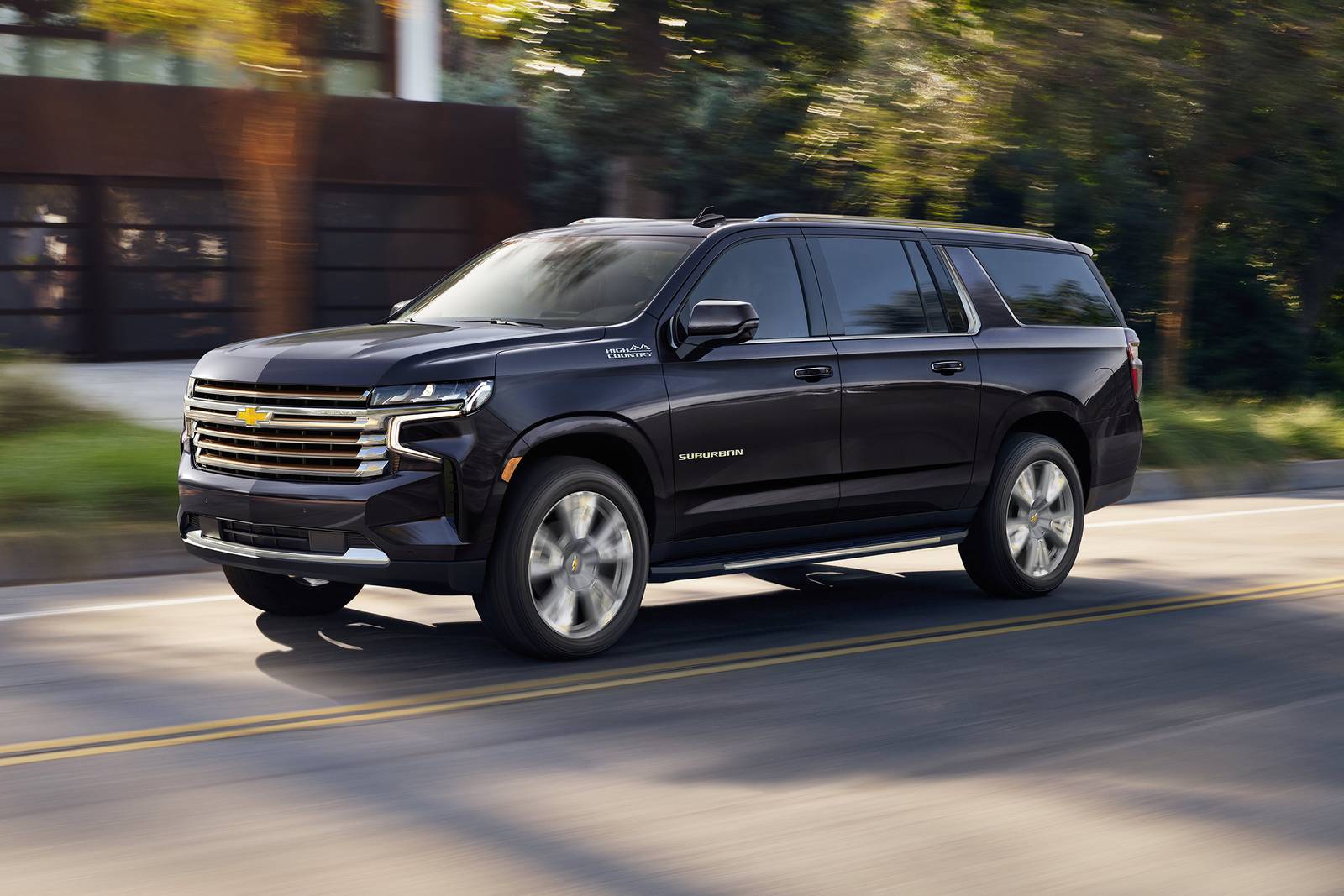
Recall 2026061 | February 2026 | 2,071 units (2022)
The Chevrolet Suburban is a full-size SUV often used for towing, family transport, and fleet applications. The 2022 models with the 10-speed automatic transmission are now subject to a recall for a defect that can cause wheels to suddenly lock up while driving.
The transmission control valve body can wear prematurely, causing a loss of hydraulic pressure. When this happens at highway speeds, the result is sudden wheel lockup—exactly the kind of catastrophic failure that causes multi-vehicle accidents.
Picture driving a full-size SUV, possibly loaded with passengers or towing a trailer, at 100 km/h on the highway. Your wheels suddenly lock. The vehicle behind you has no time to react. This is the scenario Chevrolet is trying to prevent.
The fix is a software update that detects wear in the valve body before it reaches the failure point, allowing the vehicle to warn drivers before the lockup occurs. This is better than nothing, but it means owners of affected vehicles are driving around with potentially worn valve bodies until they can get the update.
Hyundai Kona: Steering That Can Break
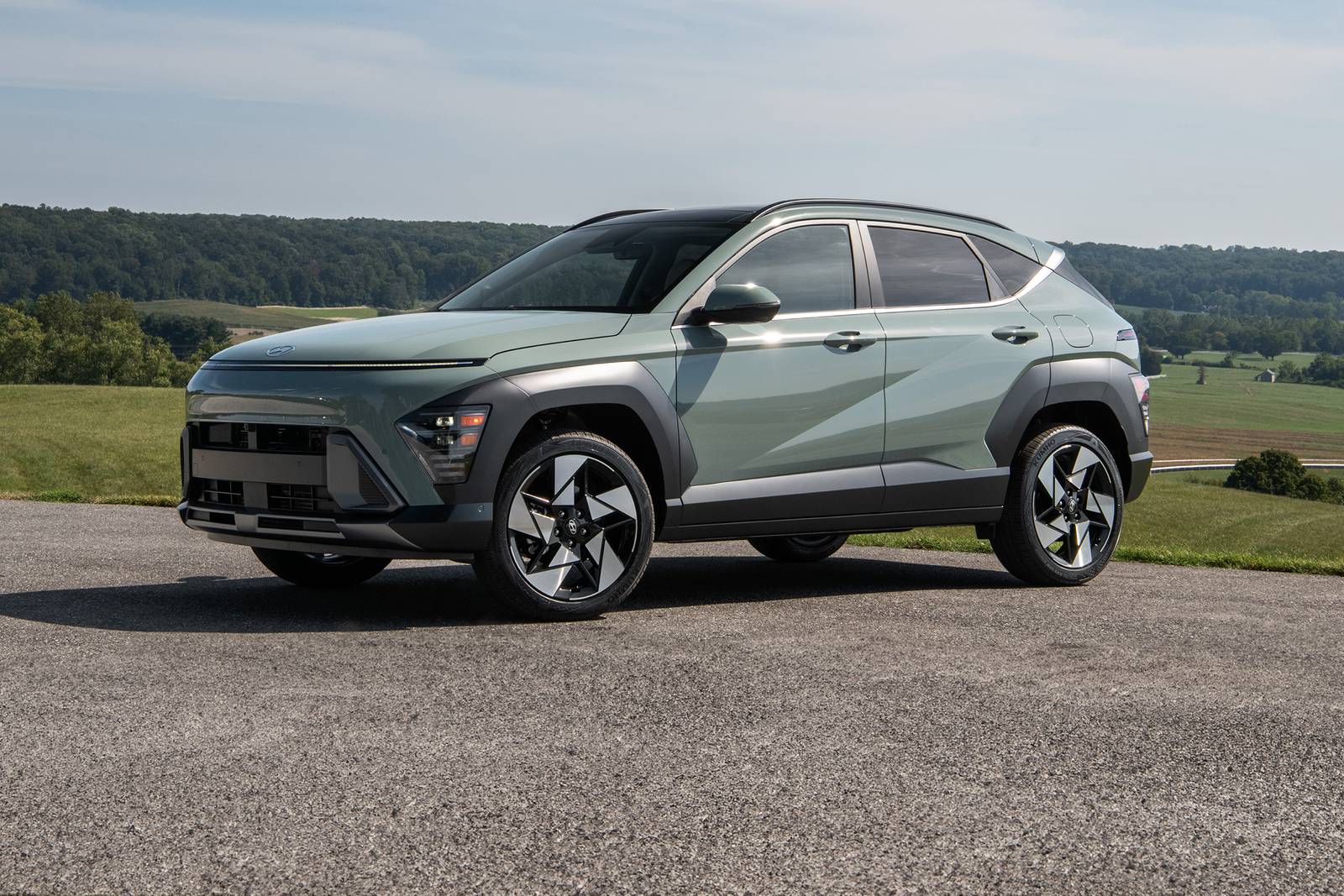
Recall 2026050 | February 2026 | 1,577 units (2026)
The Hyundai Kona is a popular subcompact crossover, and the 2026 model year was supposed to continue that success. Instead, 1,577 brand-new vehicles have a steering knuckle that was not manufactured properly.
The steering knuckle is the component that connects your wheel hub to your suspension. It allows the wheel to turn when you steer. When a steering knuckle cracks or breaks while driving, you lose all steering control. The vehicle goes wherever physics and momentum take it, which is rarely where you want to go.
This is another recall affecting brand-new 2026 model year vehicles—cars that just rolled off the assembly line with a fundamental defect in a critical steering component. Combined with the Kawasaki recall, February is shaping up as a particularly bad month for new vehicle quality control.
Hyundai will inspect and replace the steering knuckles as needed. If you recently purchased a 2026 Kona, contact your dealer immediately.
Ducati Streetfighter V4: Brakes That Still Do Not Work
Recall 2026062 | February 2026 | 212 units (2025-2026)
The Ducati Streetfighter V4 is a 208-horsepower naked sportbike that can reach speeds most cars cannot match. Reliable brakes are not optional equipment on a machine like this.
In 2025, Ducati issued recall 2025-030 for rear brake hoses that were being damaged by heat from the exhaust system. The brake fluid would leak, and braking performance would degrade. Dealers installed heat protectors to shield the hoses.
Those repairs did not work.
Recall 2026062 is a re-recall. The heat protectors installed under the previous campaign were not effective at preventing brake hose damage. Ducati will now replace the heat protectors with a redesigned version that will hopefully actually protect the hoses this time.
For motorcycle riders, this is particularly concerning. A rear brake failure on a sportbike at high speed can be fatal. Riders who thought their bikes were fixed after the 2025 recall have been riding with compromised braking systems for months.
Ford E-Transit: The Missing Washer
Recall 2026047 | February 2026 | 78 units (2026)
The Ford E-Transit recall affects only 78 vehicles, but the defect is a case study in how small manufacturing errors can have large consequences.
A washer was not installed in the high-voltage battery connections. This missing washer can cause electrical arcing—essentially sparks inside the battery system. The consequences include fire risk and loss of power to the wheels.
The E-Transit is Ford's electric cargo van, marketed to commercial fleets for delivery and service applications. A vehicle that catches fire or loses power mid-delivery is a significant liability for businesses depending on these vans.
What is remarkable is how simple the defect is. This is not a complex software bug or a fundamental design flaw. It is a missing washer. Someone on the assembly line did not install a washer, and 78 vehicles shipped without it. Quality control did not catch it.
The fix is straightforward: install the washer. But the recall illustrates how a single missed step in manufacturing can create a fire hazard in an electric vehicle.
The Numbers
| Recall | Manufacturer | Model | Units | Primary Risk |
|---|---|---|---|---|
| 2026052 | Mercedes-Benz | EQB | 837 | Spontaneous fire while parked (RE-RECALL) |
| 2026055 | Nissan | Rogue | 42,722 | Engine fire and failure |
| 2026056 | Nissan | Rogue | 47,559 | Loss of power to wheels |
| 2026051 | Kawasaki | Teryx5 H2 | 110 | Transmission shoots metal fragments |
| 2026061 | Chevrolet | Suburban | 2,071 | Wheels lock up while driving |
| 2026050 | Hyundai | Kona | 1,577 | Total loss of steering control |
| 2026062 | Ducati | Streetfighter V4 | 212 | Rear brake failure (RE-RECALL) |
| 2026047 | Ford | E-Transit | 78 | Fire risk and loss of power |
Total vehicles affected from these recalls: approximately 95,166 units—nearly 100 times the volume we reported in January. The Nissan Rogue recalls alone account for more than 90% of that total.
The Pattern of Failed Repairs
February 2026 will be remembered as the month that exposed a systemic problem in the recall process itself. Two of the seven recalls we covered this month are re-recalls—vehicles that were supposedly fixed but were not.
The Mercedes-Benz EQB has now been recalled three times for the same battery fire issue. The Ducati Streetfighter V4 has been recalled twice for the same brake hose problem. In both cases, owners brought their vehicles to dealers, waited for repairs, and left believing their vehicles were safe.
They were wrong.
This raises uncomfortable questions. Are dealers performing recall repairs correctly? Are manufacturers providing adequate repair procedures? Are the proposed fixes actually addressing root causes, or are they bandaid solutions to fundamental design flaws?
We have been tracking EV battery fire risks extensively, and the pattern is consistent across manufacturers. Initial recalls attempt software fixes or limited component replacements. When those fail, subsequent recalls escalate to full battery replacements. How many owners drive around in the interim, believing they are safe when they are not?
What You Should Do
If you own any of these vehicles, check your VIN at Cardog or the OEM website to confirm whether your specific vehicle is affected.
For the Mercedes-Benz EQB: Limit charging to 80% maximum and park outdoors away from structures. If your vehicle was previously repaired under recalls 2025-041 or 2025-527, you need the new repair.
For the Nissan Rogue (2023-2025 with 1.5L turbo): Contact your dealer to schedule inspection. Watch for abnormal engine noises or loss of power.
For the Kawasaki Teryx5 H2: Stop using immediately. There is no fix available yet.
For the Chevrolet Suburban (2022 with 10-speed automatic): Schedule the software update as soon as possible. Be alert for any unusual transmission behaviour.
For the Hyundai Kona (2026): Have the steering knuckle inspected immediately. Do not delay.
For the Ducati Streetfighter V4: If your bike was repaired under recall 2025-030, you need the new repair. Check your rear brake system for any signs of fluid leakage.
For the Ford E-Transit: Contact your dealer to verify whether your vehicle is affected and schedule the washer installation.
The Takeaway
February 2026's recalls demonstrate that the recall process itself is not foolproof. Manufacturers issue recalls, dealers perform repairs, owners believe their vehicles are fixed—but sometimes the repairs do not work, and everyone is back to square one months later.
For consumers, this means checking recalls is not a one-time activity. If your vehicle has a recall history, you need to verify that all repairs were actually effective. If a manufacturer issues a follow-up recall for the same issue, your previous repair may not have solved the problem.
The best protection is information. Know your vehicle's recall history. Verify that repairs were completed. And when a manufacturer tells you to park outdoors and limit charging, take them seriously—because sometimes that guidance exists because their previous fix failed.
Tools like the Cardog recall checker make this process easier by aggregating Transport Canada and NHTSA data in one place. But the responsibility to stay informed ultimately falls on vehicle owners. Because when recall repairs fail, you want to know before your vehicle catches fire in your garage.