Toyota
2020 Corolla
- 122
- on the market
- $19,851
- median ask
- $18,990
- from (MSRP)
- 36
- trims
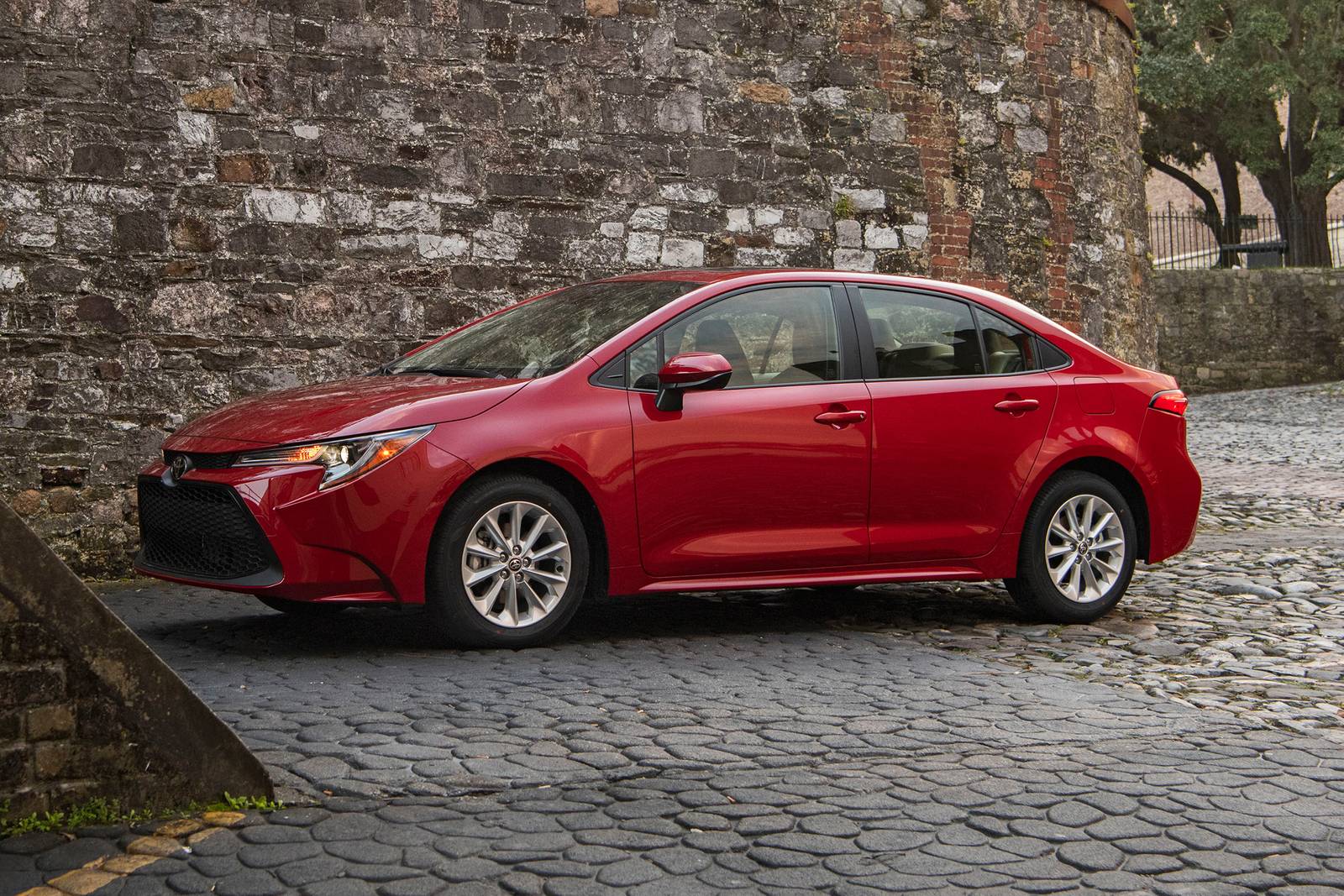
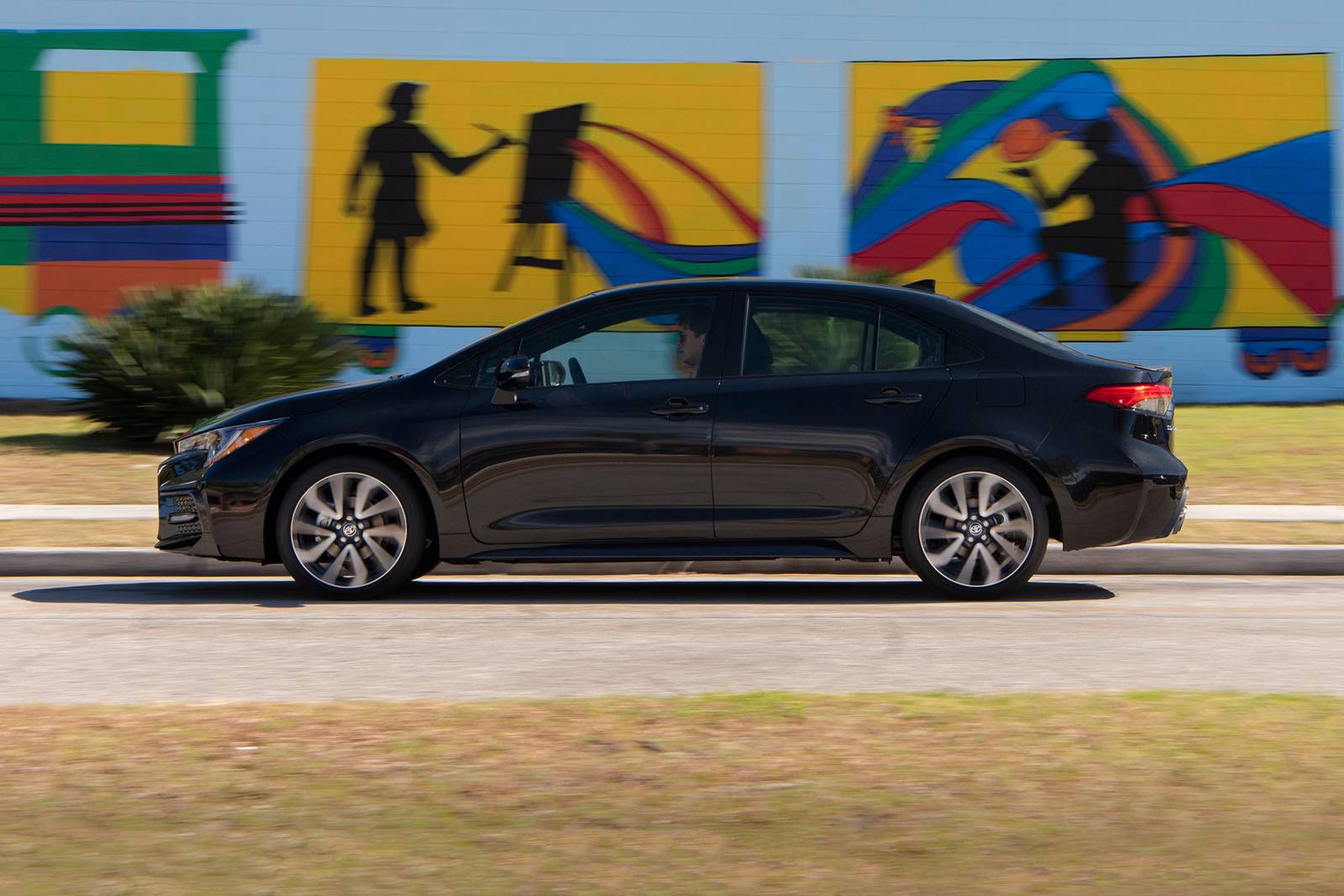
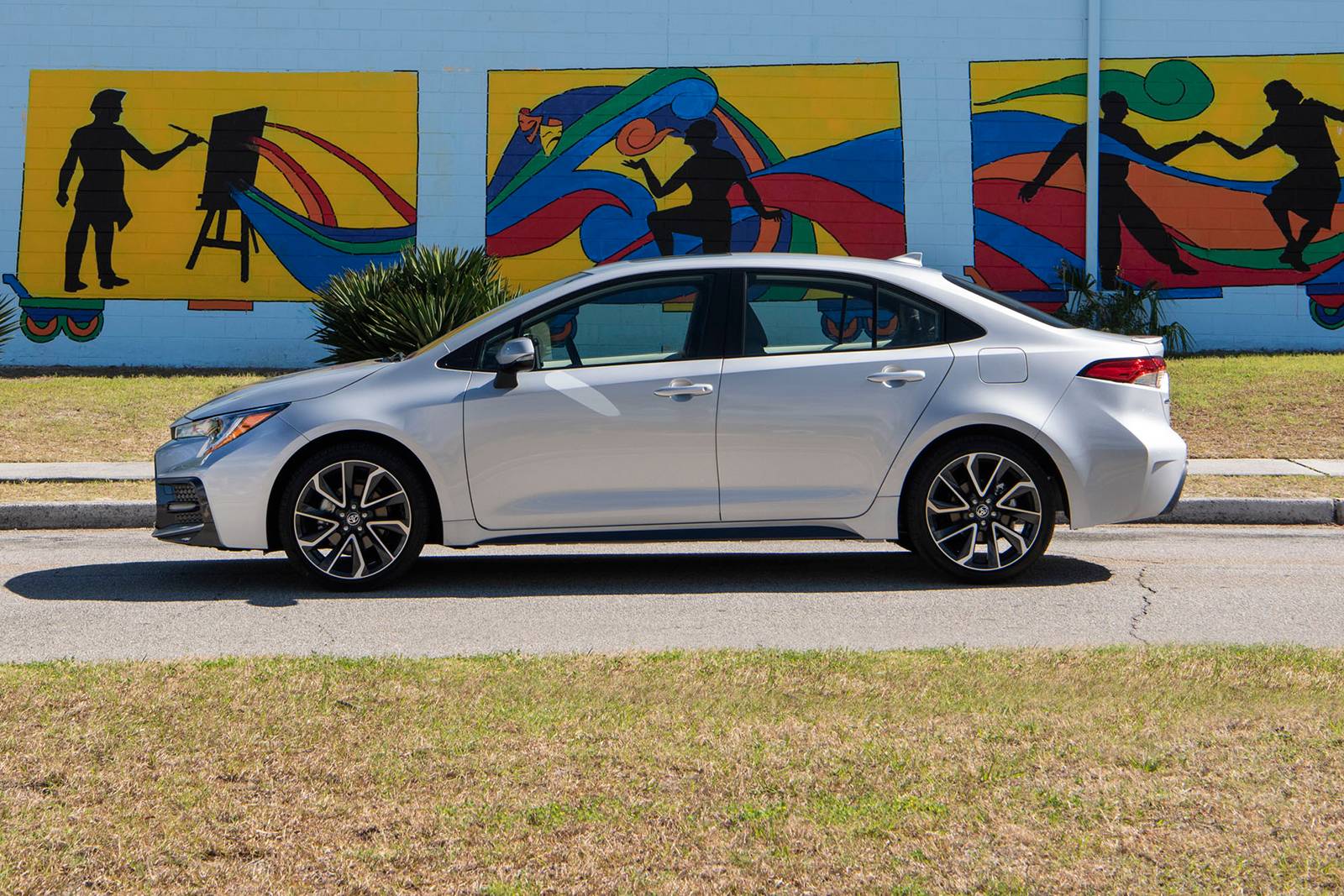
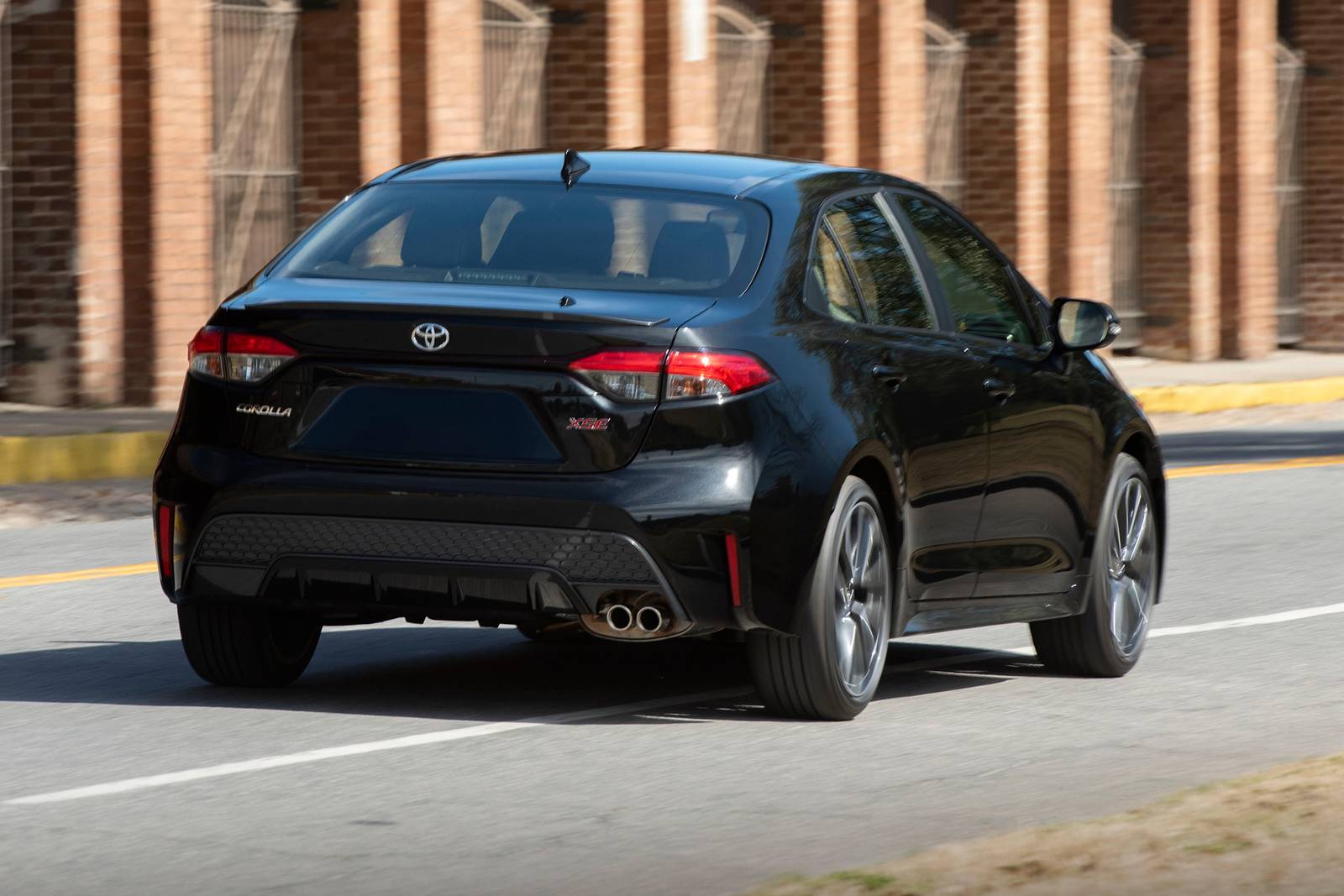
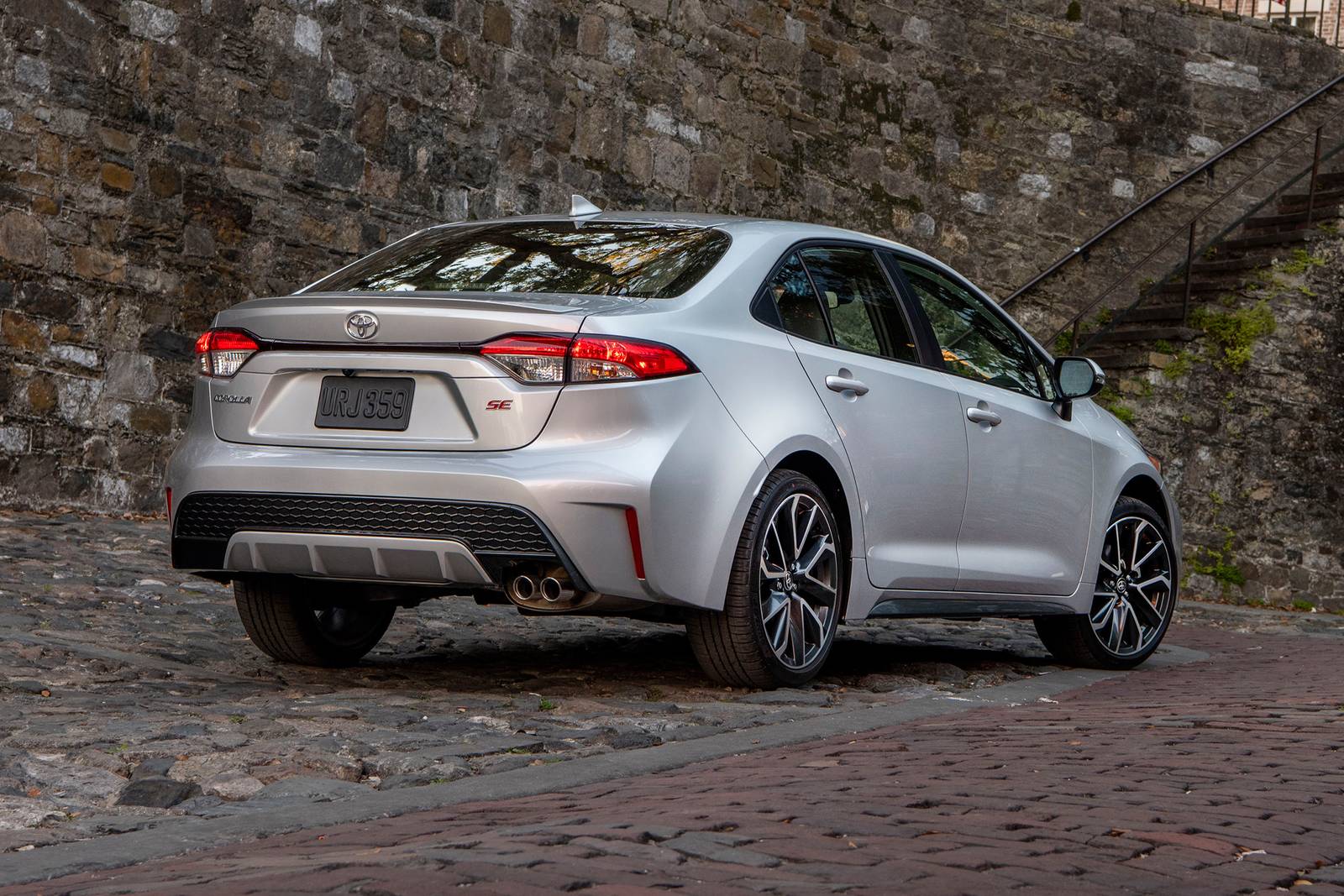
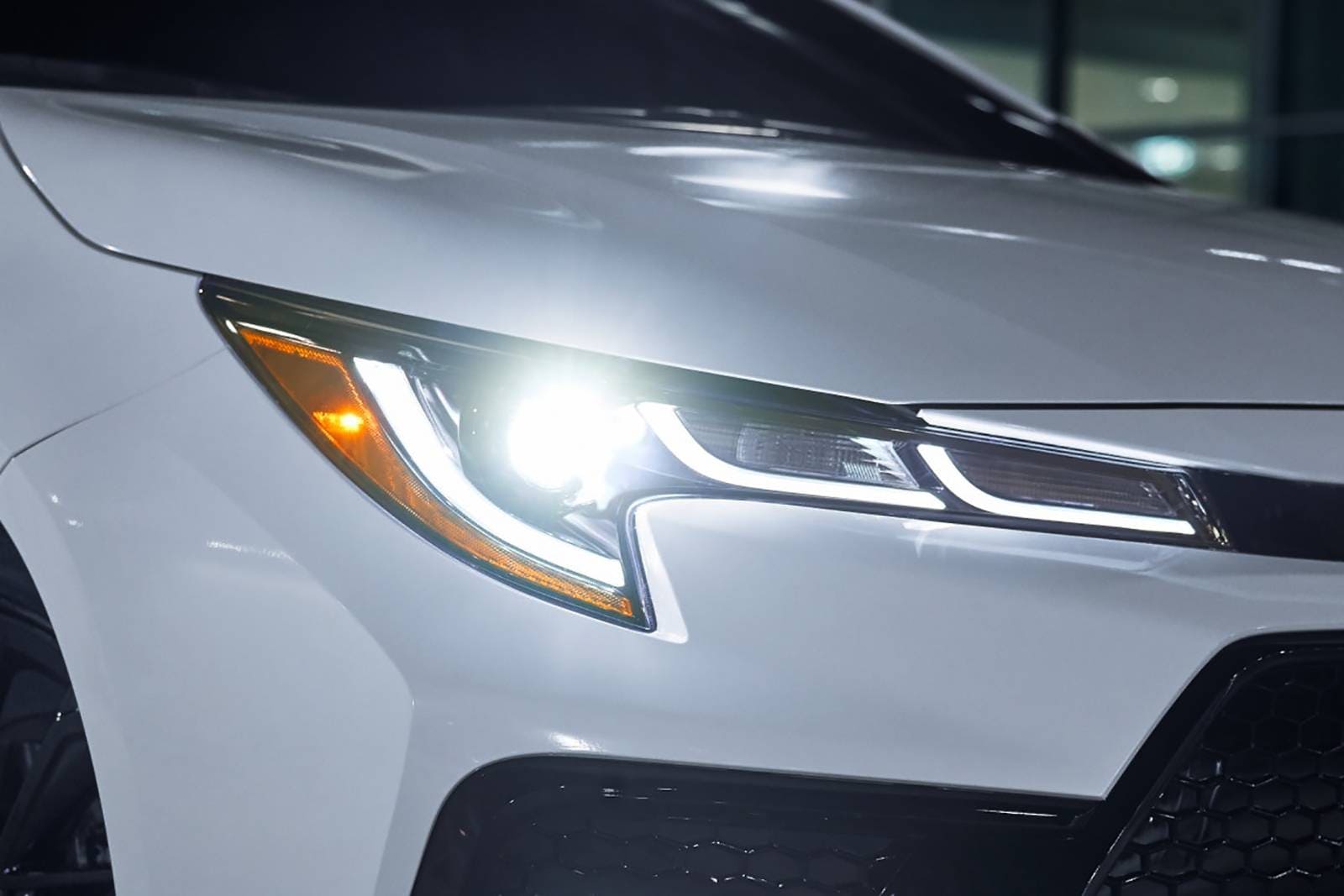
| Trim | MSRP | Live | Trades at | Premium | Instrument |
|---|---|---|---|---|---|
| L Manual Toyota Corolla | $18,990 | — | — | — | — |
| L L 4dr Sedan (1.8L 4cyl CVT) | $19,600 | — | — | — | — |
| LE LE 4dr Sedan (1.8L 4cyl CVT) | $20,050 | — | — | — | — |
| SE SE 4dr Hatchback (2.0L 4cyl 6M) | $20,290 | — | — | — | — |
| L CVT Toyota Corolla | $20,790 | — | — | — | — |
| Manual Toyota Corolla Hatchback | $21,050 | — | — | — | — |
| LE CVT Toyota Corolla | $21,790 | 66 | $18,995 | −$2,795 | 5YFBPRBEL |
| CVT Toyota Corolla Hatchback | $22,050 | — | — | — | — |
| SE Manual Toyota Corolla | $22,290 | — | — | — | — |
| SE Nightshade SE Nightshade 4dr Sedan (2.0L 4cyl CVT) | $22,750 | — | — | — | — |
| XSE XSE 4dr Hatchback (2.0L 4cyl CVT) | $23,240 | — | — | — | — |
| SE CVT Toyota Corolla | $23,290 | — | — | — | — |
| XLE XLE 4dr Sedan (1.8L 4cyl CVT) | $24,050 | — | — | — | — |
| Hybrid CVT Toyota Corolla | $24,790 | — | — | — | — |
| XLE CVT Toyota Corolla | $26,990 | — | — | — | — |
| XSE CVT Toyota Corolla | $28,490 | — | — | — | — |
| 1.8 (139 Hp) CVTi-S 1.8 (139 Hp) CVTi-S | — | — | — | — | — |
| 2.0 (169 Hp) CVT 2.0 (169 Hp) CVT | — | — | — | — | — |
| 2.0 (180 Hp) Hybrid e-CVT 2.0 (180 Hp) Hybrid e-CVT | — | — | — | — | — |
| 2.0 (184 Hp) Hybrid e-CVT 2.0 (184 Hp) Hybrid e-CVT | — | — | — | — | — |
| 1.8 (121 Hp) Hybrid CVTi 1.8 (121 Hp) Hybrid CVTi | — | — | — | — | — |
| 1.8 VVT-i (132 Hp) CVTi-S 1.8 VVT-i (132 Hp) CVTi-S | — | — | — | — | — |
| 1.6i (132 Hp) CVT 1.6i (132 Hp) CVT | — | — | — | — | — |
| 1.8 VVT-i (140 Hp) CVTi-S 1.8 VVT-i (140 Hp) CVTi-S | — | — | — | — | — |
| 1.2 D-4T (116 Hp) iMT 1.2 D-4T (116 Hp) iMT | — | — | — | — | — |
| 1.2 D-4T (116 Hp) CVT-i 1.2 D-4T (116 Hp) CVT-i | — | — | — | — | — |
| 1.8 VVT-i (132 Hp) 1.8 VVT-i (132 Hp) | — | — | — | — | — |
| 2.0 (168 Hp) CVT 2.0 (168 Hp) CVT | — | — | — | — | — |
| 1.2 Turbo (116 Hp) 1.2 Turbo (116 Hp) | — | — | — | — | — |
| 1.2 D-4T (116 Hp) 4WD CVT-i 1.2 D-4T (116 Hp) 4WD CVT-i | — | — | — | — | — |
| 1.8i (122 Hp) Hybrid e-CVT 1.8i (122 Hp) Hybrid e-CVT | — | — | — | — | — |
| 1.5 Dynamic Force (125 Hp) 1.5 Dynamic Force (125 Hp) | — | — | — | — | — |
| 2.0 (169 Hp) 2.0 (169 Hp) | — | — | — | — | — |
| 1.6i (132 Hp) 1.6i (132 Hp) | — | — | — | — | — |
| 2.0 (168 Hp) iMT 2.0 (168 Hp) iMT | — | — | — | — | — |
| 1.8 (122 Hp) Hybrid e-CVT 1.8 (122 Hp) Hybrid e-CVT | — | — | — | — | — |
Issue: On certain vehicles, a sensor for the occupant classification system (OCS) may not have been manufactured properly. As a result, the sensor could short circuit and cause the airbag system to turn off the passenger-front airbag even when a passenger is seated. Note: This problem would cause a warning message to display on the instrument panel and the airbag indicator light would display "passenger airbag off". Safety Risk: An airbag that is turned off could increase the risk of injury to a passenger in a crash. Corrective Actions: Toyota will notify owners by mail and advise you to take your vehicle to a dealership to inspect and, if necessary, replace the OCS sensor.
2023684 · 99,965 units in campaign · Transport Canada
Applies only if the manufacturer confirms your VIN · repair by an authorized dealer
Toyota Motor Engineering & Manufacturing (Toyota) is recalling certain 2020-2021 Avalon, Avalon Hybrid, Corolla, Highlander, Highlander Hybrid, RAV4, RAV4 Hybrid, Lexus ES350, Lexus RX350, Lexus RX450H, 2021 Sienna Hybrid, Lexus ES250, 2020-2022 Camry, Camry Hybrid, and ES300H vehicles. A short circuit may develop in the Occupant Classification System (OCS) sensor, preventing the front passenger air bag from deploying.
An air bag that does not deploy during a crash increases the risk of injury.
Dealers will inspect and replace the sensor as necessary, free of charge. Interim letters notifying owners of the safety risk were mailed in February 2024. Some final remedy owner letters were mailed October 31, 2024. Letters will continue to be mailed in phases through January 2026. Owners may contact Toyota customer service at 1-800-331-4331. Toyota's number for this recall is 23TB15/23TA15 Lexus 23LB03/23LA03.
23V865000 · 999,901 units in campaign · NHTSA
Applies only if the manufacturer confirms your VIN · repair by an authorized dealer
Issue: This recall is for certain block heater kits installed on certain vehicles or sold as accessories at Toyota or Lexus dealerships. On certain vehicles, the engine block heater cable may not have enough heat protection and could be damaged by high temperatures. If this happens, the cable could short circuit while plugged in, and cause the wiring to overheat or melt. Note: This recall only affects the following block heater/cord part numbers: C014003034 PK5A408J09 PU14000904 C014003151 PK5A408J13 PU14000905 C014000885 PK5A489J11 PU14000907 C014000888 PK5A489J22 PU14000909 C014000907 PK5A410H00 PU14000911 C014100904 PU14000900 PU14000913 C014100907 PU14000901 PU14003571 C014100911 PU14000902 PK5A489J14 PK5A408J05 PU14000903 Safety Risk: Engine block heater wiring that overheats or melts could create the risk of a fire. Corrective Actions: Toyota recommends that you should stop using the engine block heater immediately. Toyota will notify owners by mail and instruct you to take your vehicle to a dealer to disable the engine block heater. For some vehicles, the corrective actions for this recall are under development. For others, a new engine block heater cannot be installed, and the owner will receive a refund of the purchase price of the engine block heater.
2021723 · 55,683 units in campaign · Transport Canada
Applies only if the manufacturer confirms your VIN · repair by an authorized dealer
Toyota Motor Engineering & Manufacturing (Toyota) is recalling certain 2018-2019 4Runner, 2019-2020 Avalon, 2019 Corolla Hatchback, 2017-2019 Highlander, 2018-2020 Camry, 2020 Corolla, 2018-2019 Land Cruiser, 2017-2020 Tacoma, 2019-2020 RAV4, 2019-2020 Sequoia, 2017-2020 Sienna, 2019-2020 Tundra, 2018-2020 Lexus ES350, 2017 Lexus GS200t, 2017-2019 Lexus GS350, 2019 Lexus GS300, 2018-2020 Lexus LC500h, 2019-2020 Lexus LS500, 2018-2019 Lexus GX460, 2017 Lexus IS200t, 2019 Lexus IS300, 2019 Lexus IS350, 2018-2020 Lexus LC500, 2018 Lexus LS500, 2019 Lexus LS500h, 2018-2019 Lexus LX570, 2017 Lexus RC200t, 2019 Lexus RC300, RC350, 2017 and 2019-2020 Lexus RX350, 2018-2020 RX350L, 2019 Lexus UX200, 2018-2019 Lexus NX300 vehicles. The low-pressure fuel pump inside the fuel tank may fail.
If the fuel pump fails, the engine can stall while driving, increasing the risk of a crash.
Toyota will notify owners, and dealers will replace the fuel pump assembly with an improved one, free of charge. Owners of specific models were notified that remedy parts were available starting January 21, 2021. Owners of other models will be notified as remedy parts become available. Remedy parts should be available for all affected vehicles by late March 2021. Owners may contact Toyota customer service at 1-888-270-9371 or Lexus customer service at 1-800-255-3987. Note: This recall is an expansion of recall 20V-012. Toyota's number for this recall is 20TA02. Lexus' number for this recall is 20LA01.
20V682000 · 1,525,742 units in campaign · NHTSA
Applies only if the manufacturer confirms your VIN · repair by an authorized dealer
Issue: On certain vehicles, the low-pressure fuel pump could fail. If this happens, then engine may run rough or may not start and the check engine light may turn on. This could also result in a sudden loss of engine power while driving. Note: This recall is an expansion of recalls SRC R95/SRC R96 and SRC RA2/SRC RA3 (Transport Canada Recall Numbers 2020-005 and 2020-088). Safety Risk: A sudden loss of engine power could increase the risk of a crash. Corrective Actions: The company will notify owners by mail and instruct you to take your vehicle to a dealer to replace the fuel pump.
2020514 · 126,597 units in campaign · Transport Canada
Applies only if the manufacturer confirms your VIN · repair by an authorized dealer
Issue: On certain vehicles, a problem with a connector for the rear hatch wire harness could cause the backup lights to not turn on when the car is reversing. Safety Risk: Backup lights that do not turn on when the vehicle is reversing could increase the risk of a crash. Corrective Actions: Toyota will notify owners by mail and instruct you to take your vehicle to a dealer to replace the rear hatch wire harness.
2020149 · 212 units in campaign · Transport Canada
Applies only if the manufacturer confirms your VIN · repair by an authorized dealer
Toyota Motor Engineering & Manufacturing (Toyota) is recalling certain 2020 Corolla Hatchback vehicles. A rear hatch wire harness connector may have been damaged during assembly, which may cause the back-up lights to fail.
If the back-up lights fail, there can be an increased risk of a crash while the vehicle is reversing.
Toyota will notify owners, and dealers will replace the rear hatch wire harness, free of charge. The recall began June 30, 2020. Owners may contact Toyota customer service at 1-888-270-9371. Toyota's numbers for this recall are 20TB07 and 20TA07.
20V205000 · 960 units in campaign · NHTSA
Applies only if the manufacturer confirms your VIN · repair by an authorized dealer
Issue: On certain vehicles, the rear seat belts may be assembled incorrectly. As a result, the seat belts may not properly lock-up in certain types of crashes. Safety Risk: A seat belt that does not work properly could increase the risk of injury in a crash. Corrective Actions: Toyota will notify owners by mail and instruct you to take your vehicle to a dealer to inspect the rear seat belt assemblies. They will be replaced as necessary.
2019618 · 907 units in campaign · Transport Canada
Applies only if the manufacturer confirms your VIN · repair by an authorized dealer
Toyota Motor Engineering & Manufacturing (Toyota) is recalling certain 2019-2020 C-HR and 2020 Corolla and Corolla Hybrid vehicles equipped with rear seat belt assemblies with a dual-mode locking mechanism. The seat belt webbing sensor locking mechanism may not lock as intended.
In the event of a crash involving multiple impacts, the seat belt may not properly restrain the occupant, increasing the risk of injury.
Toyota will notify owners, and dealers will inspect the rear seat belt assembly production dates, and replace the assemblies, as necessary, free of charge. The recall began February 7, 2020. Owners may contact Toyota customer service at 1-888-270-9371. Toyota's numbers for this recall are 19TB22 and 19TA22.
19V877000 · 9,468 units in campaign · NHTSA
Applies only if the manufacturer confirms your VIN · repair by an authorized dealer
Toyota Motor Engineering & Manufacturing (Toyota) is recalling certain 2019 Lexus LS500, LC500, ES300h, UX250h, LS500h, Toyota Prius, RAV4 HV, 2019-2020 Toyota Prius Prime, and 2020 Corolla HV vehicles. The brake booster pump may fail causing a deactivation of the Vehicle Stability Control system and a loss of braking assist. As such, these vehicles fail to comply with the requirements of Federal Motor Vehicle Safety Standard (FMVSS) number 126, "Electronic Stability Control Systems."
Deactivation of the vehicle stability control system or a loss of braking assist increases the risk of a crash.
Toyota will notify owners, and dealers will inspect and, if necessary, replace the brake booster pump, free of charge. The recall began September 20, 2019. Toyota owners may contact Toyota customer service at 1-888-270-9371 and Lexus owners may contact Lexus customer service at 1-800-255-3987. Toyota's numbers for this recall are K1L/K0L. Lexus' numbers for this recall are K2F/KLF.
19V544000 · 6,925 units in campaign · NHTSA
Applies only if the manufacturer confirms your VIN · repair by an authorized dealer
Gulf States Toyota (GST) is recalling certain 2019 C-HR, 4Runner, Avalon, Avalon Hybrid, Camry, Camry Hybrid, Highlander, Land Cruiser, Prius, RAV4, Sequoia, Tacoma, Sienna, Tundra and Yaris vehicles. The text on the load capacity label may become illegible. As such, these vehicles fail to comply with the requirements of Federal Motor Vehicle Safety Standard (FMVSS) number 110, "Tire Selection and Rims."
If the driver cannot read the label, they may unknowingly overload the vehicle, increasing the risk of a crash.
GST will notify owners, and dealers will provide corrected load carrying capacity modification labels, free of charge. The recall began May 24, 2019. Owners may contact GST customer service at 1-800-444-1074. GST's number for this recall is 19R1.
19V244000 · 3,634 units in campaign · NHTSA
Applies only if the manufacturer confirms your VIN · repair by an authorized dealer
Research other Toyota models