Hyundai · 2017–2026
Kona Recalls
12 known recalls affecting the Hyundai Kona (2017–2026). Enter your VIN to check if your specific vehicle is affected, or browse by model year below.
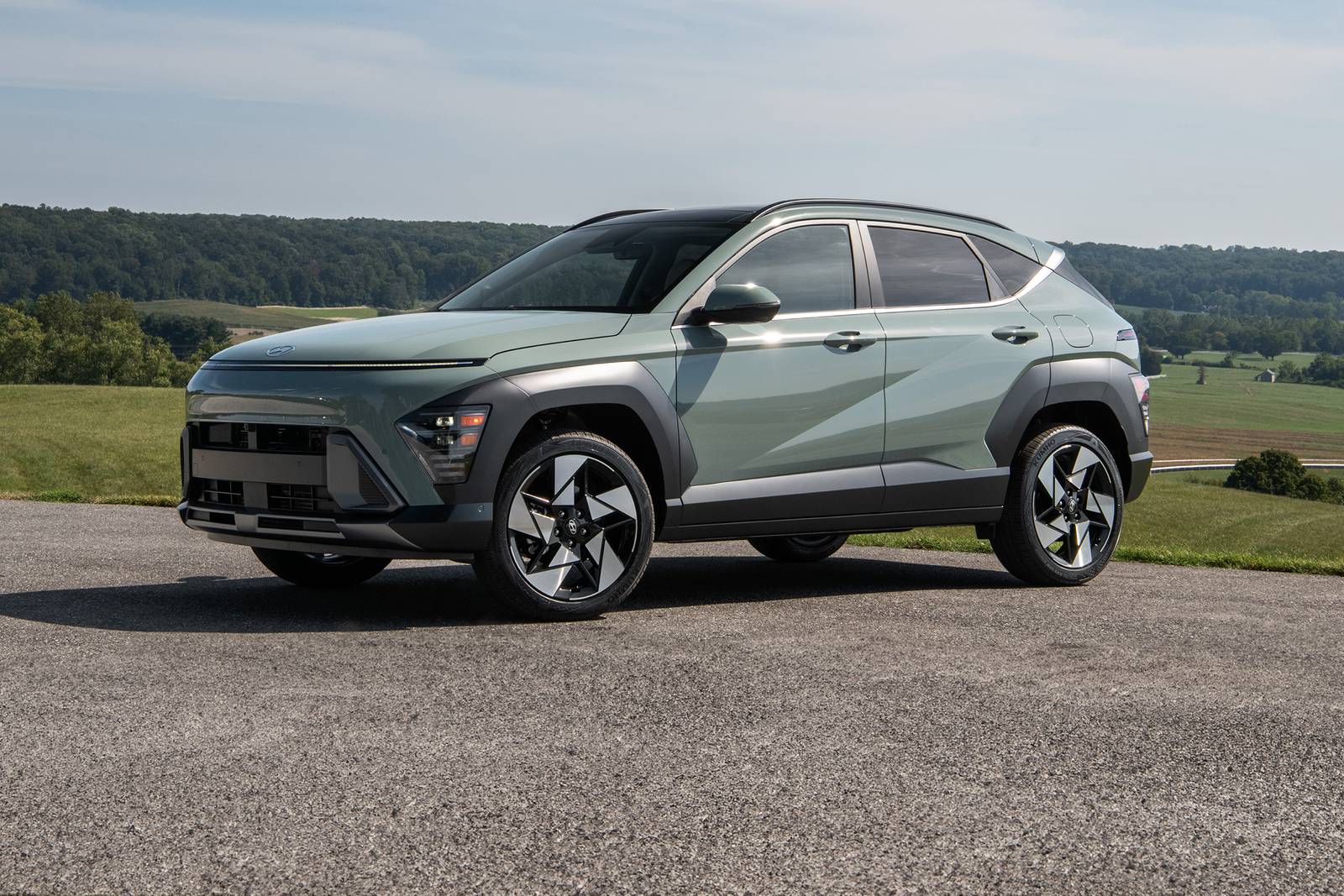
Hyundai Kona Recalls
Summary
Issue: On certain vehicles, the front steering knuckle(s) may not have been manufactured properly. As a result, the knuckle(s) could crack and/or break and cause a loss of steering control. Safety Risk: A loss of steering control could create the risk of a crash. Corrective Actions: Hyundai will notify owners in writing and advise you to take your vehicle to a dealership to inspect and, if necessary, replace the steering knuckle(s).
Summary
Issue: On certain vehicles, a software problem could cause the instrument panel cluster to reboot while driving. As a result, you may not be able to see certain information about the vehicle, including the speedometer, fuel gauge, tire pressure monitoring system (TPMS), warning lights and malfunction tell-tales. Note : For the Santa Fe model, this recall only affects the hybrid model. For the Palisade model, both gas and hybrid models are affected. For the Tucson model, gas, hybrid and plug-in hybrid (PHEV) models are affected. Safety Risk: Warnings, tell-tales and gauges that don't display could increase the risk of a crash. Corrective Actions: Hyundai will notify owners in writing and send a wireless over-the-air software update to eligible vehicles to update the instrument panel cluster software. Alternatively, you may schedule an appointment to have the update performed at a Hyundai dealership.
Summary
Issue : Hyundai Auto Canada is conducting an extended warranty campaign for certain vehicles as water could enter the horn assembly and cause the horn's electrical contacts to corrode. As a result, the horn may not work properly or at all. Safety risk: A horn that doesn't work properly could prevent a driver from warning others of a danger and create an unsafe situation. Corrective Actions: To reduce the safety risk, Hyundai advises you to test the horn regularly. Hyundai will notify owners in writing and advise you to contact a dealership if your horn doesn't work properly. Hyundai will provide an extended warranty of 10 years/200 000 km to replace the horn for free if it fails.
Summary
Issue: On certain vehicles, the compliance label may be missing information in French. The words listed on the label for "Tires", "Rims", "Front" and "Rear" appear in English only, when they should be listed as "Tires/Pneus", "Rims/Jantes", "Front/Avant" and "Rear/Arriere". Canadian regulations require this information to be listed on the label in both English and French. Safety Risk: These small errors do not affect vehicle safety. Corrective Actions: This is not a recall. The company has corrected the compliance label for all new vehicles.
Summary
Issue: On certain vehicles, the high-pressure fuel pump could fail. If this happens, the engine may run rough and the check engine light may turn on. This could also cause a sudden loss of engine power while driving. Note: For the Elantra, Kona and Veloster models, this recall only affects the N performance versions. Safety Risk: A sudden loss of engine power could increase the risk of a crash. Corrective Actions: Hyundai will notify owners by mail and advise you to take your vehicle to a dealership to update the engine control module software. The high-pressure fuel pump will be replaced, if necessary.
Summary
Issue: On certain vehicles, the exhaust gas recirculation (EGR) valve may not have been manufactured properly. As a result, the EGR valve could short circuit and cause a loss of power to the wheels. Safety Risk: A sudden loss of power to the wheels could increase the risk of a crash. Corrective Actions: Hyundai will notify owners in writing and advise you to take your vehicle to a dealership to replace the EGR valve.
Summary
Issue: On certain vehicles, in the event of a crash, the 12 V battery cable(s) could contact the engine control module bracket. If this happens, there could be a short circuit. Safety Risk: A short circuit could create the risk of a fire. Corrective Actions: Hyundai will notify owners by mail and advise you to take your vehicle to a dealership to install a protective cover on the 12 V battery and alternator positive wiring.
Summary
Issue: On certain vehicles, the rear outboard seat belt retractors may not have been manufactured correctly. As a result, the seat belts may not extend and/or retract correctly. Safety Risk: A seat belt that doesn't work properly could increase the risk of injury in a crash. Corrective Actions: Hyundai will notify owners by mail and advise you to take your vehicle to a dealership to inspect the left and right-rear seat belt retractors, and replace them if necessary. Hyundai recommends that if you hear a noise when extending the seat belt or are unable to extend it, you should not transport a passenger in that seat, and you should contact a dealer immediately to have the vehicle inspected.
Summary
Issue: On certain vehicles, the circuit board for the transmission electric oil pump may be damaged. As a result, the circuit board could short circuit and overheat, and various electrical systems may not work properly. Safety Risk: A short circuit could create the risk of a fire. Corrective Actions: Hyundai will notify owners by mail and advise you to take your vehicle to a dealership to inspect the transmission electric oil pump controller, and replace it as necessary. Hyundai recommends parking your vehicle outside and away from other vehicles or buildings until the recall repairs are completed.
Summary
Issue: On certain vehicles, a fault in the transmission oil pump can cause the vehicle to enter "fail-safe mode". When this happens, a programming error can cause a sudden loss of power to the wheels after 20-30 seconds. Note: This recall only affects certain vehicles equipped with an 8-speed dual-clutch transmission (DCT). Safety Risk: A sudden loss of power to the wheels could increase the risk of a crash. Corrective Actions: Hyundai will notify owners by mail and instruct you to take your vehicle to a dealership to inspect and, if necessary, replace the transmission. The dealer will also update the transmission control unit software.
Showing 1-10 of 12 recalls

Related Recall Checks
Check recalls for specific Hyundai Kona model years