Audi · 2012–2025
A7 Recalls
25 known recalls affecting the Audi A7 (2012–2025). Enter your VIN to check if your specific vehicle is affected, or browse by model year below.
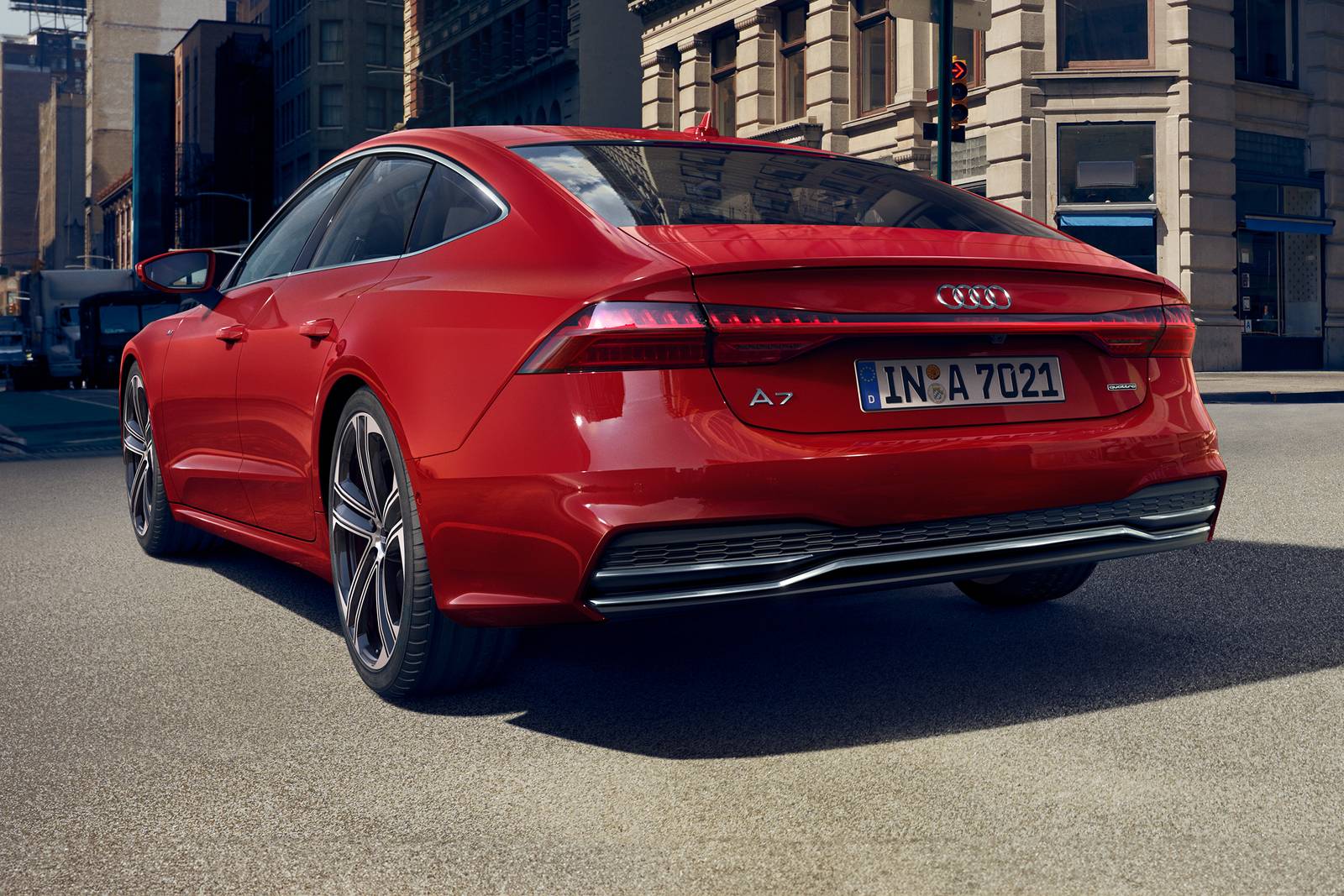
Audi A7 Recalls
Summary
Issue: On certain vehicles, a software problem could cause the rearview camera image not to appear on the display. Canadian regulations require the rearview image to display when the transmission is shifted into reverse gear. Safety Risk: A rearview camera image that doesn't display could reduce a driver's ability to see behind the vehicle while backing up. This could increase the risk of a crash. Corrective Actions: Audi will notify owners by mail and advise you to take your vehicle to a dealership to update the rearview camera software.
Summary
Issue: On certain vehicles, the high-voltage battery could overheat. As a result, the battery could create smoke or heat, which can melt or damage the battery and nearby parts. Note: This recall only affects plug-in hybrid (PHEV) models. This recall replaces Transport Canada recall no. 2025-064. Vehicles that were repaired under that recall don't require this repair. Safety Risk: A battery that overheats can create a fire risk. Corrective Actions: To reduce the safety risk, Audi advises not to charge your vehicle until the recall repairs have been completed. Audi will notify owners by mail and advise you to take your vehicle to a dealership to install an advanced diagnostic software that will monitor the high-voltage battery and warn you if it detects a problem. If you see this warning, you should contact a dealership to arrange replacement of the affected high-voltage battery module.
Summary
Issue: On certain vehicles, a problem with the instrument cluster (virtual cockpit) could cause it to shut down. If this happens, you may not be able to see certain information about the vehicle, including the speedometer, warnings, and tell-tales. Safety Risk: Warnings, tell-tales and gauges that don't display could increase the risk of a crash. Corrective Actions: Audi will notify owners by mail and advise you to take your vehicle to a dealership to update the instrument cluster software.
Summary
This recall was replaced by Transport Canada recall no. 2025-369. Issue: On certain vehicles, the high-voltage battery could overheat. As a result, the battery could create smoke or heat, which can melt or damage the battery and nearby parts. Note: This recall only affects plug-in hybrid (PHEV) models. This recall replaces Transport Canada recall no. 2024-723. Safety Risk: A battery that overheats can create a fire risk. Corrective Actions: To reduce the safety risk, Audi advises not to charge your vehicle until the recall repairs have been completed. Audi will notify owners by mail and advise you to take your vehicle to a dealership to install an advanced diagnostic software that will monitor the high-voltage battery and warn you if it detects a problem. If you see this warning, you should contact a dealership to arrange replacement of the affected high-voltage battery module.
Summary
This recall was replaced by Transport Canada recall no. 2025-064. Issue: On certain vehicles, the high-voltage battery could overheat. As a result, the battery could create smoke or heat, which can melt or damage the battery and nearby parts. Note: This recall only affects plug-in hybrid (PHEV) models. Safety Risk: A battery that overheats can create a fire risk. Corrective Actions: To reduce the safety risk, Audi advises not to charge your vehicle until the recall repairs have been completed. Audi will notify owners by mail and advise you to take your vehicle to a dealership to install an advanced diagnostic software that will monitor the high-voltage battery and warn you if it detects a problem. If you see this warning, you should contact a dealership to arrange replacement of the affected high-voltage battery module.
Summary
Issue: Under certain conditions, the plug for the 220 V compact vehicle charging cable could become damaged by the house power outlet. As a result, the cable could overheat while charging. Note: This recall only affects electric and plug-in hybrid electric (PHEV) models. Safety Risk: Wiring that overheats could create a fire risk. Corrective Actions: Audi will notify owners by mail and advise you to take your vehicle to a dealership to replace the vehicle charging cable. For unsold vehicles, the dealer will remove the charging cable before they are delivered to consumers.
Summary
Issue: Certain vehicles were built with a European-specification brake fluid reservoir cap instead of the correct North American cap. Canadian regulations require specific information to be provided on the brake fluid cap. Safety Risk: This small error is unlikely to affect safety. Corrective Actions: This is not a recall. The company will install the correct brake fluid reservoir cap on all new (unsold) vehicles.
Summary
Issue: On certain vehicles, if you spill liquid on the rear seat, the gateway control module could be damaged. If this happens, the vehicle may enter emergency mode and suddenly lose power to the wheels. Note: The power steering and braking systems will continue to work. You may also see warning messages on the instrument panel when this happens. Safety Risk: A sudden loss of power to the wheels may increase the risk of a crash. Corrective Actions: Audi will notify owners by mail and instruct you to take your vehicle to a dealer to install a protective cover on the gateway control module.
Summary
Issue: On certain vehicles, the infotainment main unit in the center console could fail. If this happens, the display screen will not turn on when you start the vehicle and the rearview camera image will not appear when backing up. Canadian regulations require the rearview image to display when the transmission is shifted into reverse. Safety Risk: A rearview camera image that does not display could reduce a driver's ability to see behind the vehicle while backing up. This could increase the risk of a crash. Corrective Actions: Audi will notify owners by mail and instruct you to take your vehicle to a dealership to replace the infotainment unit.
Summary
Issue: On certain vehicles, a software problem could cause the rearview camera image not to appear on the display. Canadian regulations require the rearview image to display when the transmission is shifted into reverse gear. Safety Risk: A rearview camera image that does not display could reduce a driver's ability to see behind the vehicle while backing up. This could increase the risk of a crash. Corrective Actions: Volkswagen will notify owners by mail and instruct you to take your vehicle to a dealership to update the infotainment software.
Showing 1-10 of 25 recalls

Related Recall Checks
Check recalls for specific Audi A7 model years