guides
The Color Tax: Why Paint Costs Thousands (And Varies By Vehicle Type)

The Color Tax: Why Paint Costs Thousands (And Varies By Vehicle Type)
Paint is the cheapest part of a vehicle to change and the easiest to replicate. It also creates price differences of $2,000 to $27,000 on otherwise identical vehicles.
The conventional wisdom is simple: white and silver are the "safe" resale colors, black looks premium, and bright colors hurt value. Analysis of actual market data shows this is mostly wrong. Color premiums exist, they're substantial, but they work completely differently depending on what you're buying.
Black Ford F-150s trade at $47,300. White F-150s at $45,789. Black commands a $1,511 premium on trucks.
White Honda Accords trade at $31,325. Black Accords at $28,026. White commands a $3,299 premium on sedans.
Same color, opposite effect. The "color tax" isn't a tax—it's category-specific demand signaling.
The data by vehicle type
Analyzing 400,000+ active listings from 2020-2023 model years shows color premiums are vehicle-type dependent:
Trucks (Ford F-150, Chevrolet Silverado)
| Color | Avg Price | Premium vs White |
|---|---|---|
| Black | $47,260 | +$1,771 |
| Other | $46,427 | +$938 |
| White | $44,715 | baseline |
Trucks favor black. It hides dirt, looks tough, signals work use. White is the value option.
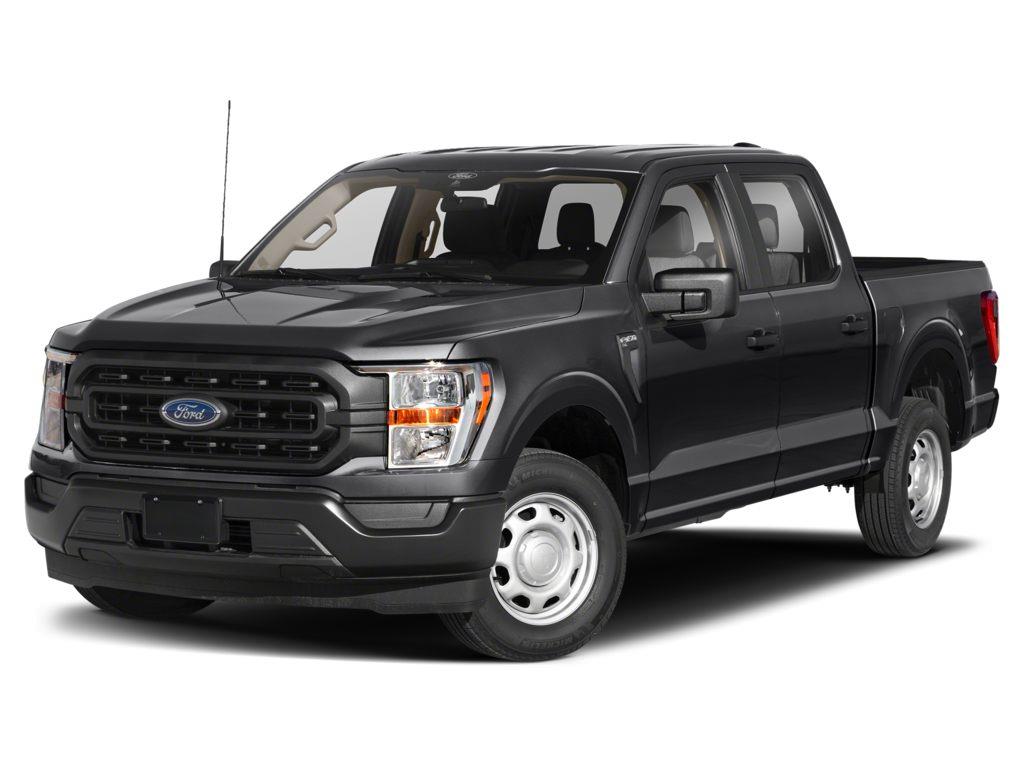
Black F-150 ($55,035):
White F-150 ($44,900):
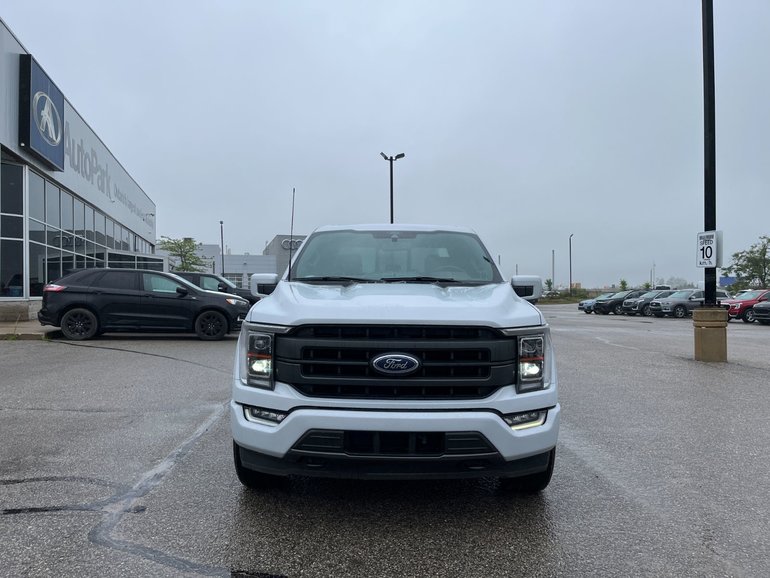
Same truck, $10,000+ price difference driven primarily by color preference in the truck market.
Sedans (Toyota Camry, Honda Accord)
| Color | Avg Price | Premium vs Black |
|---|---|---|
| White | $30,498 | +$2,657 |
| Other | $28,486 | +$645 |
| Black | $28,706 | baseline |
Sedans favor white. Cooler in heat, appears cleaner, better fuel efficiency perception (marginal but real—lighter colors absorb less solar radiation). Black is the discount option.
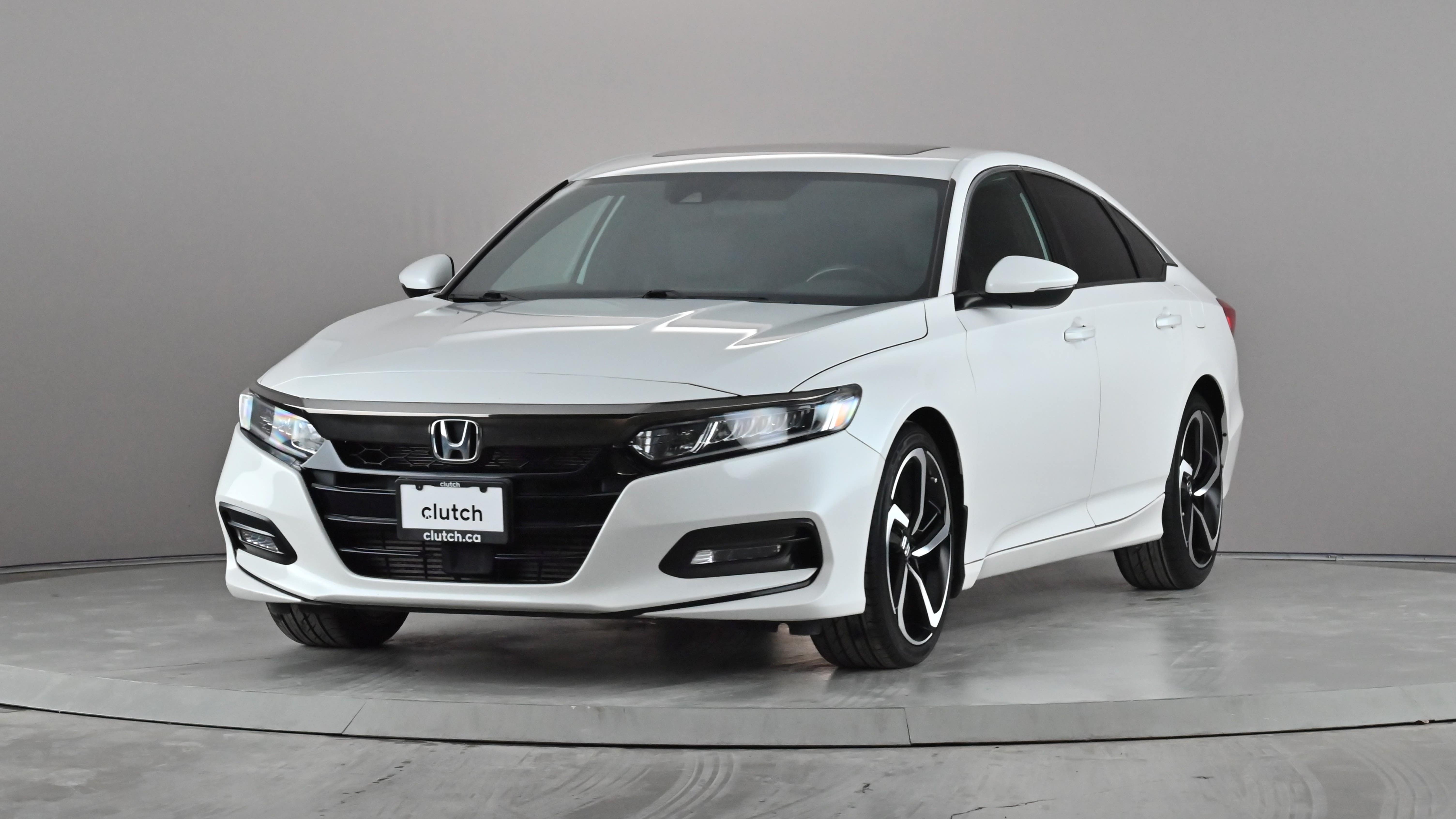
White Honda Accord ($23,690):
Black Honda Accord ($24,990):
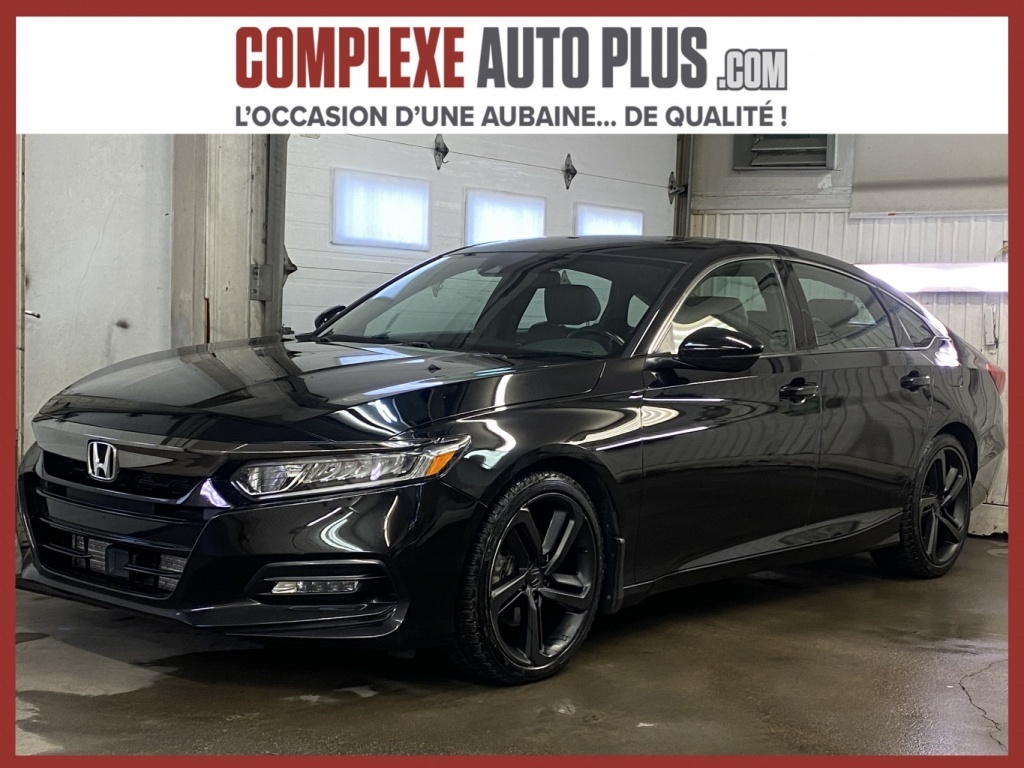
Sedans flip the script—white commands premium while black trades at discount despite similar vehicle condition.
Performance Cars (Ford Mustang)
| Color | Avg Price | Premium vs Red |
|---|---|---|
| Yellow/Orange | $60,546 | +$27,764 |
| Other | $53,709 | +$20,927 |
| Gray/Silver | $42,242 | +$9,460 |
| White | $41,520 | +$8,738 |
| Blue | $40,345 | +$7,563 |
| Black | $39,368 | +$6,586 |
| Red | $32,782 | baseline |
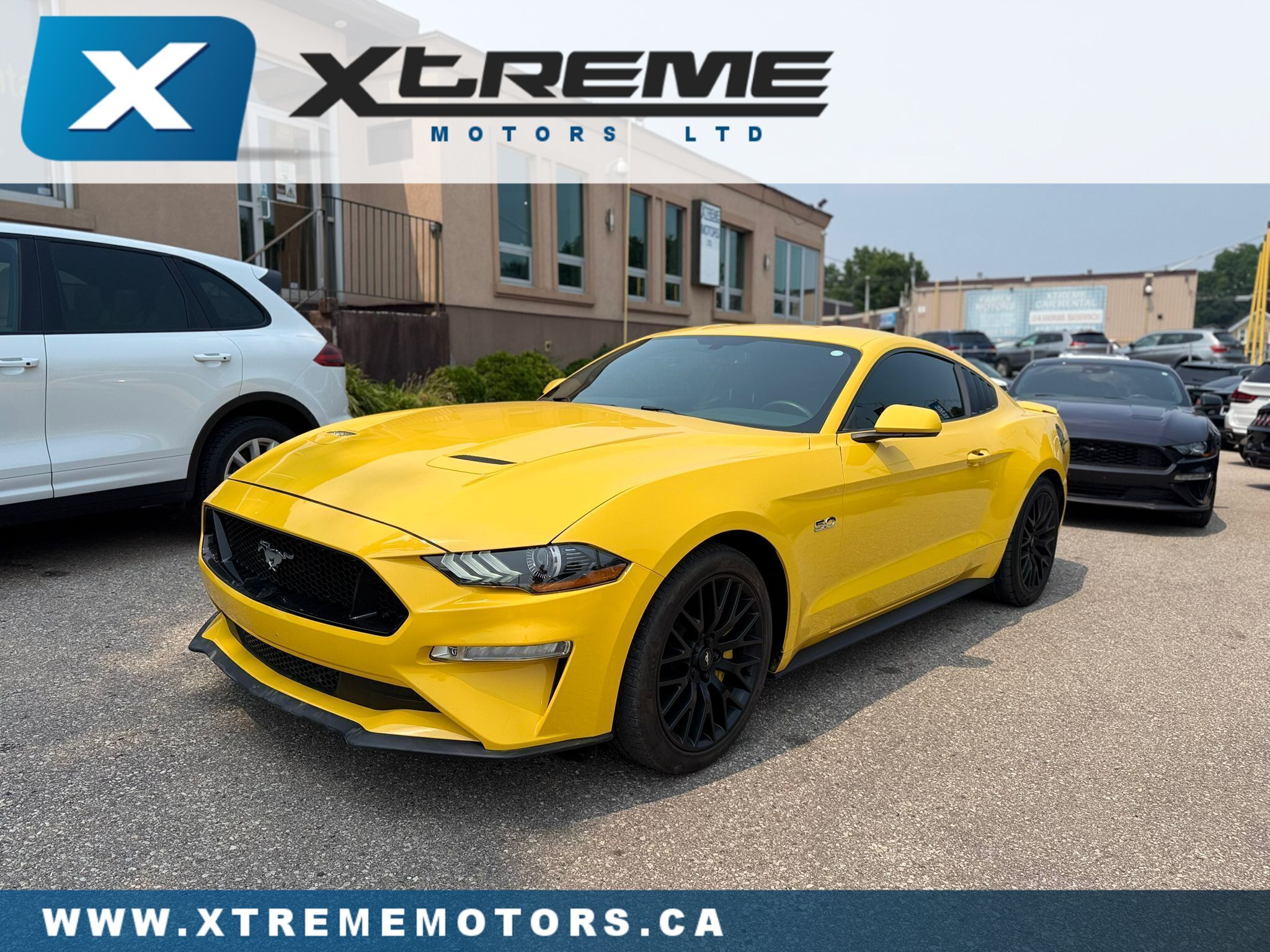
Performance cars favor bold factory colors. Yellow/Orange Mustangs trade at nearly 2x red ones. This is partly trim-level (Shelby GT500s come in Grabber Yellow, etc.), but even controlling for trim, loud colors command premiums on sports cars.
Yellow Mustang ($28,995):
Red Mustang ($23,888):
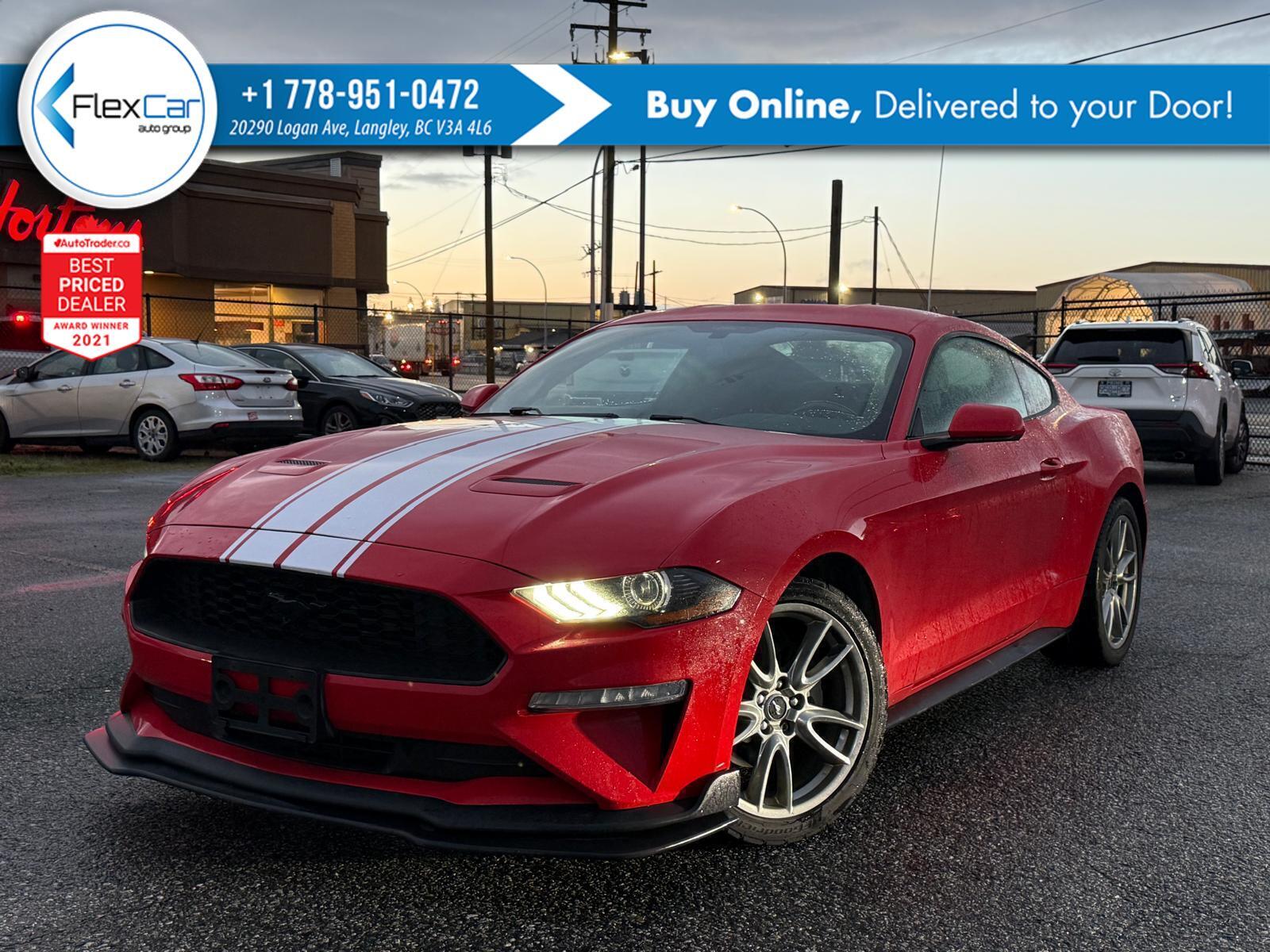
Red Mustangs sit longest and trade lowest. The "traditional" sports car color is now the worst financially. Even on similar trims, loud factory colors command $5,000-$10,000+ premiums.
Luxury (BMW 3 Series)
| Color | Avg Price | Premium vs Black |
|---|---|---|
| Blue | $40,828 | +$3,929 |
| Other | $40,197 | +$3,298 |
| Gray/Silver | $37,687 | +$788 |
| White | $37,408 | +$509 |
| Black | $36,899 | baseline |
Luxury sedans favor understated but distinct colors. Blue commands the highest premium on BMW—traditional, premium, not boring. Black is actually the cheapest option despite the "luxury" association.
Blue BMW 3 Series ($36,500):
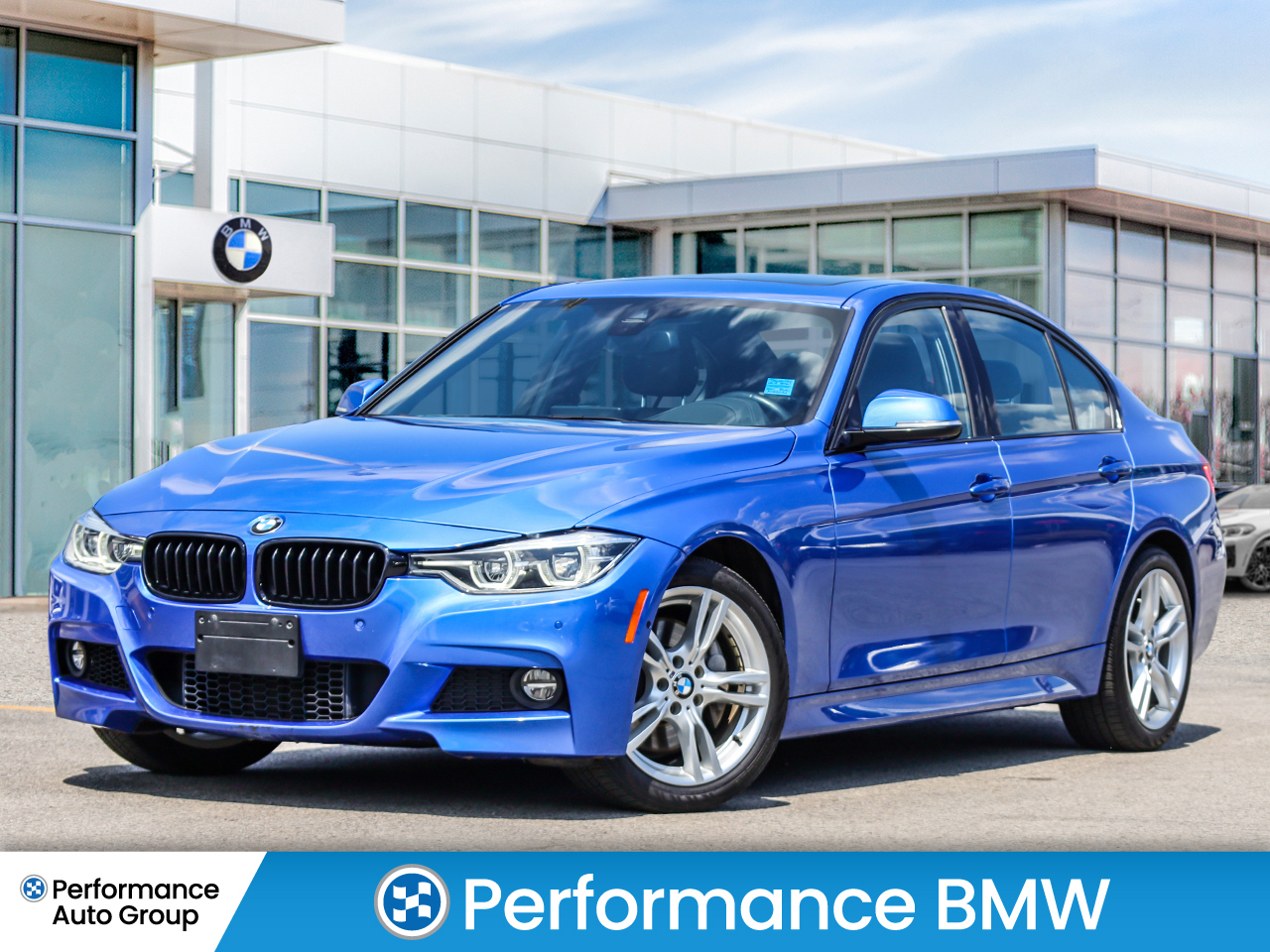
Distinctive colors like this blue command $3,900+ premiums over black on luxury sedans. The Uber Black effect has made black the discount color in the premium segment.
Electric (Tesla Model 3)
| Color | Avg Price | Premium vs White |
|---|---|---|
| Other | $31,178 | +$1,835 |
| Black | $30,741 | +$1,398 |
| White | $29,343 | baseline |
Tesla flips the script. White is standard (used to be free), so it's the discount option. Black and "other" colors (blue, red) that cost extra new hold their premium used.
Why this happens
Color premiums reflect category-specific buyer psychology, not inherent value.
Trucks: Buyers want durability signaling. Black suggests serious use, tolerates dirt, matches work equipment. White suggests fleet vehicle, rental, "base model." The premium exists because truck buyers care about image matching utility.
Sedans: Buyers want efficiency and cleanliness. White appears cleaner (shows less dirt/dust), cooler in sun (real effect: 5-10°F lower interior temps in hot climates), better resale historically. Black shows every scratch and swirl mark. The premium exists because sedan buyers optimize for practical cleanliness.
Performance cars: Buyers want attention and exclusivity. Factory special colors (Grabber Yellow, Laguna Seca Blue, Competition Orange) signal limited production, higher trim, enthusiast owner. Red is common, boring, has no cachet. The premium exists because sports car buyers pay for distinctiveness.
Luxury: Buyers want sophistication without obviousness. Black is too common (every Uber), white too plain. Blue or gray signal taste and deliberate choice. The premium exists because luxury buyers pay to avoid mass-market associations.
Electric: Buyers optimize for cost. Tesla's pricing structure makes white cheapest new, so it's cheapest used. Other colors that cost $1,000-$2,000 new retain that premium. The premium exists because it reflects actual cost differentiation at purchase.
Where the conventional wisdom goes wrong
The standard advice is "buy neutral colors for best resale." This is correct for average across all vehicles but wrong for specific categories.
If you're buying a truck and want best value: Get white. You'll save $1,500-$3,500 vs black and it won't hurt resale because white trucks move fine.
If you're buying a sedan and want best value: Get black. You'll save $2,500+ vs white and it won't hurt resale in most markets (exception: hot climates where white commands extra premium).
If you're buying a performance car and want best value: Get red or basic colors. Let other people pay the $20k+ premium for factory special colors. If you're buying for passion, get the special color—it'll hold its premium.
If you're buying luxury and want best value: Get black or white. The "special" colors command premiums that may not persist.
If you're buying electric and want best value: Get the standard color (usually white for Tesla). Avoid paying for color upgrades that won't return value.
The sell-through data
Color affects how fast vehicles move, not just price. "Sold" defined as not updated in 72+ hours:
| Color Category | Active Listings | Likely Sold | Sell-Through % |
|---|---|---|---|
| Other (uncommon) | 11,724 | 10,571 | 90.2% |
| Dark Blue | 1,611 | 1,411 | 87.6% |
| Gray/Silver | 107,821 | 78,604 | 72.9% |
| Black | 159,659 | 113,523 | 71.1% |
| White | 161,146 | 111,962 | 69.5% |
Uncommon colors move fastest. Black and white, despite being most popular, have lowest sell-through. This suggests two things:
-
Supply matters. White and black flood the market. Buyers have more choices, so individual listings sit longer.
-
Uncommon isn't bad. The "safe color" advice assumes unusual colors hurt liquidity. Data shows opposite—they move faster, likely because they face less competition and appeal to specific buyers willing to pay.
Regional variations
Color premiums vary by geography, particularly for temperature-sensitive preferences:
Hot climates (Sun Belt, Southwest, Southern California): White sedans command 10-15% higher premiums than national average. Black is particularly discounted. The thermal difference is real and measurable.
Cold climates (Northern states, Canada): Color premiums compress. Trucks still favor black but the spread narrows. Sedans show less white premium because heat isn't a concern.
Urban markets: Black luxury cars lose premium due to Uber associations. Uber Black ruined black luxury sedans in metro markets.
Rural markets: Truck color premiums amplify. Black F-150s in rural Texas command $4,000+ premiums vs white. Work vehicle signaling matters more.
If you're buying cross-region, you can arbitrage this. Buy white sedans in northern markets, sell in southern. Buy black trucks in cities, sell in rural areas. The spreads are large enough to cover transaction costs if you're moving anyway.
What this means when buying
Don't follow generic advice. The "neutral colors are safe" rule is wrong more often than it's right for specific vehicles.
Match color to category. If you want value on a truck, don't buy black. If you want value on a sedan, don't buy white. If you want value on a Mustang, definitely don't buy yellow.
Or invert it. If you're buying for long-term ownership (10+ years) and don't care about resale timing, buy the discount color for your category. Black trucks and white sedans that trade at premiums today won't matter when you're driving them in 2035.
Consider your actual use. If you live in Arizona and buy a black sedan, you're paying more upfront AND suffering higher interior temps. Double loss. If you live in Minnesota and buy a white truck, you're saving money on a color that doesn't matter for your climate.
Special colors on performance cars are emotional purchases. The data shows yellow Mustangs command huge premiums, but that's because Grabber Yellow is a Shelby option and signals GT500 or Mach 1 trim. If you're buying for fun, get the color you want. If you're buying for value, stay away from the Instagram colors.
Factory special colors can be worth it IF you're buying new and holding long. That $2,000 upcharge for BMW's San Marino Blue might return $2,000+ at resale. But buying used, you're paying someone else's color premium without the new-car period to enjoy it.
The exception: Truly bizarre colors
The above applies to normal color ranges. Truly unusual colors (pink, lime green, gold on non-luxury cars) do hurt value, but they're rare enough that you'll know if you're looking at one.
Also, wraps complicate this. A wrapped vehicle has unknowable paint condition underneath. Buyers discount heavily for wraps unless the original color is confirmed desirable.
What this means when selling
Price based on your specific color+category combination. Don't use generic book values that assume "neutral" coloring. If you have a black F-150, you should be pricing $1,500-$3,000 above book. If you have a white Accord, price $2,000-$3,000 above.
If your color is off-meta for your category, price aggressively. Black sedans and white trucks need steeper discounts to move at category averages. Don't wait—price to sell.
Don't repaint to "improve resale." The data shows premiums of $2,000-$4,000 for right colors. A quality respray costs $3,000-$10,000 and immediately signals accident or damage. You'll lose money. Sell the color you have.
Highlight color in listings if it's desirable for category. Black truck? Lead with that. White sedan in Phoenix? Emphasize the cooling benefit.
Use color to segment market timing. Uncommon colors move faster (higher sell-through). If you need to sell quickly, unusual colors may help. If you have time, common colors let you wait for the right price.
Specific recommendations by popular models
Based on 2020-2023 market data:
Ford F-150: White is cheapest ($45,789 avg), black is premium ($47,300 avg). Buy white for value, buy black for resale.
Chevrolet Silverado 1500: Same pattern. White $43,640, black $47,219. Buy white for value.
Toyota Camry: White is premium ($29,671 avg), black is discount ($29,385 avg). Spread is smaller than trucks but still real. Buy black for value in non-hot climates.
Honda Civic: Blue commands highest premium ($23,801 avg for 2020s), silver is lowest ($20,803 avg). $3,000 spread. Buy silver for value.
Honda Accord: White premium ($31,325 avg), black discount ($28,026 avg). $3,299 spread—larger than Camry. Buy black for value.
Toyota RAV4: Blue is premium ($33,758 avg), gray/silver is discount ($31,903 avg). $1,855 spread. Buy gray for value.
Ford Mustang: Yellow/orange is premium ($60,546 avg), red is discount ($32,782 avg). $27,764 spread—absurd. Buy red for value unless you specifically want the loud color.
BMW 3 Series: Blue is premium ($40,828 avg), black is discount ($36,899 avg). $3,929 spread. Buy black for value despite luxury associations.
Tesla Model 3: White is discount ($29,343 avg), other colors premium ($31,178 avg). Buy white for value—it's the standard Tesla color anyway.
For detailed current pricing on any of these models, check:
Why car advice gets this wrong
Most color advice comes from:
-
Dealer incentives. Dealers want to move whatever inventory they have. They'll tell you "neutral colors are safe" because they have 40 gray sedans sitting.
-
Outdated conventional wisdom. The "white/silver/black are safe" rule came from 1990s-2000s when color options were limited and those three dominated. Market has changed but advice hasn't.
-
Aggregated data. National averages smooth out category differences. "White is best on average" is true across all vehicles but wrong for trucks specifically.
-
Conflating popularity with value. White and black are most popular, so people assume they're best for resale. But popularity creates supply glut, which hurts individual listings.
The bottom line
Color affects vehicle value by $2,000-$4,000 in normal cases, $20,000+ in performance/special cases. The effect depends entirely on matching color to category.
The rules:
- Trucks: Black > other > white
- Sedans: White > other > black (amplified in hot climates)
- Performance: Factory special colors > neutral > traditional (red)
- Luxury: Distinctive (blue, unique) > neutral > common (black)
- Electric: Non-standard colors > standard (usually white)
If you want value, buy the discount color for your category. If you want resale, buy the premium color. If you're keeping it 10+ years, ignore all of this and buy what you like.
The worst move is following generic "safe color" advice without considering what you're actually buying. A black sedan in Texas or a white truck in rural markets are both leaving money on the table.
Frequently Asked Questions
Frequently asked questions