Hyundai/Kia Theft Recall: The TikTok Challenge That Sparked a Crisis
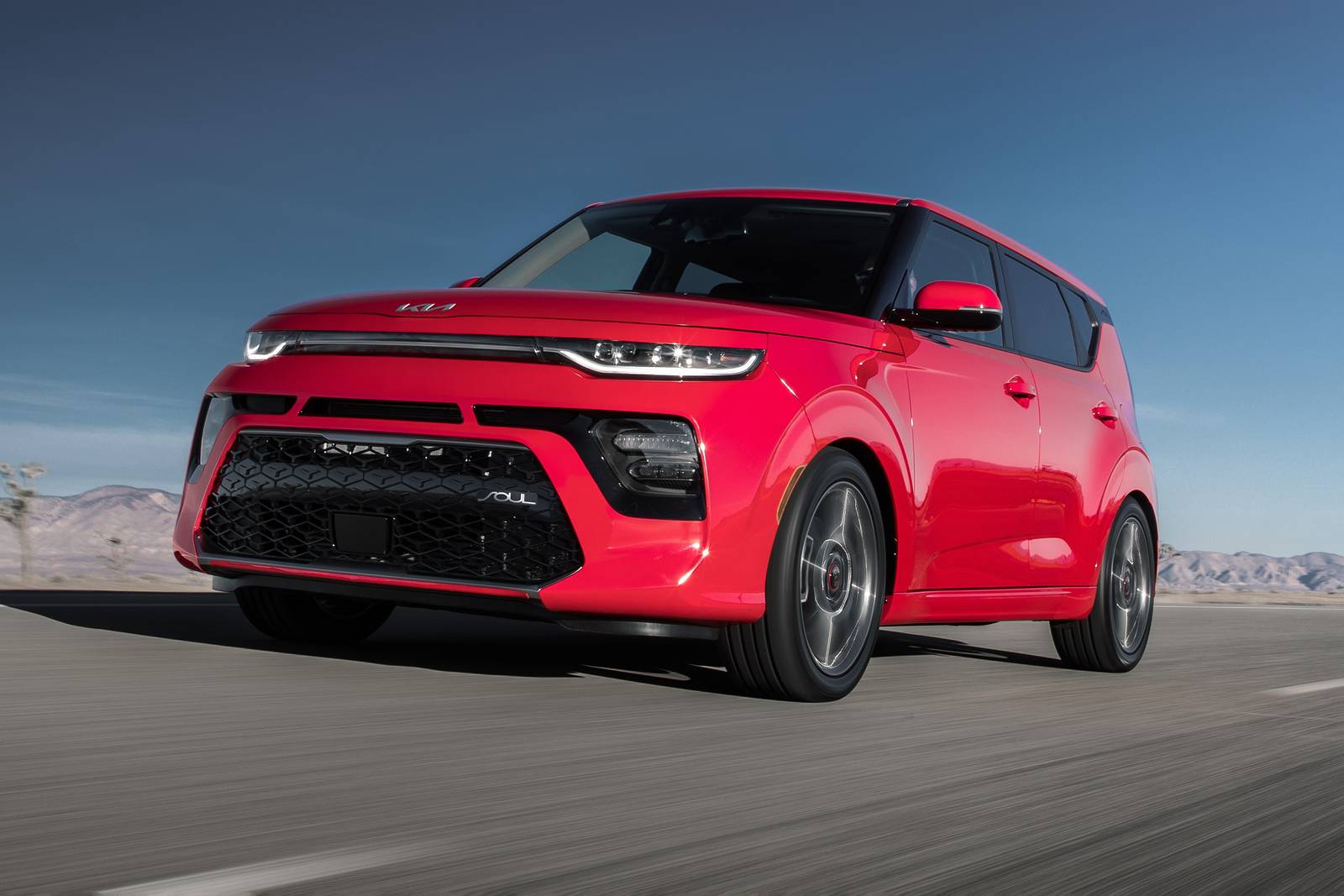
In February 2023, something unprecedented happened in the automotive world: two major manufacturers announced they would offer free security upgrades for millions of vehicles—not because of a traditional mechanical defect, but because teenagers on TikTok had turned stealing them into a viral trend.
The scale of the crisis is staggering: approximately 8.3 million Hyundai and Kia vehicles manufactured between 2011 and 2022 lack industry-standard engine immobilizers, making them vulnerable to theft using nothing more than a USB cable and a screwdriver. The "Kia Boyz" TikTok challenge spread across the United States like wildfire, causing theft rates to spike by over 1,000% in some cities, at least 8 deaths, 14 crashes, and prompting major insurance companies to refuse coverage for these vehicles entirely.
Unlike traditional recalls addressing manufacturing defects, federal regulators declined to mandate a recall. Instead, Hyundai and Kia have launched voluntary "service campaigns" offering free software updates and physical anti-theft devices—but millions of vehicles remain unprotected. This comprehensive guide explains what happened, which vehicles are affected, and what you must do to protect yourself.
What Is the Kia Boyz Challenge?
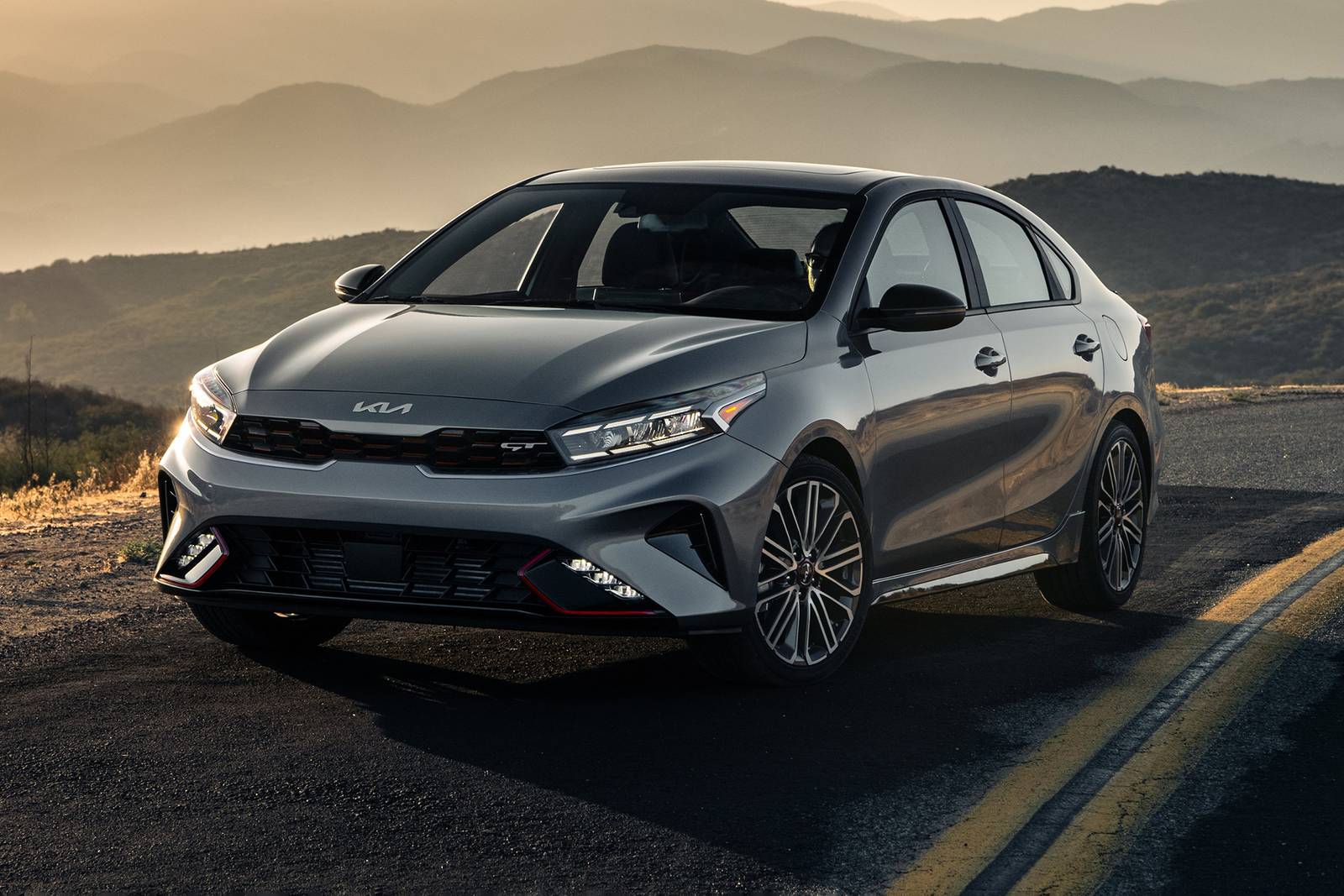
The "Kia Challenge" emerged on TikTok and YouTube in summer 2021, when Milwaukee teenagers began posting videos demonstrating how to steal certain Hyundai and Kia models in under 90 seconds. The videos went viral, accumulating millions of views and spawning a nationwide crime wave.
The Theft Method: Shockingly Simple
The vulnerability exploits a critical security omission in vehicles without push-button start:
- Break the driver's side window or force entry through the door
- Remove the steering column cover (usually plastic, easily pried off)
- Insert a USB cable or screwdriver into the exposed ignition cylinder
- Turn the USB cable like a key to start the engine
- Drive away in under 90 seconds
The theft works because affected Hyundai and Kia models lack electronic engine immobilizers—a security feature that has been industry standard since the early 2000s. An immobilizer requires a coded electronic signal from the key to start the engine; without it, the ignition cylinder is the only barrier to theft.
From Milwaukee to Nationwide Epidemic
The trend originated in Milwaukee, Wisconsin, in 2021, where local youth dubbed themselves the "Kia Boyz." Social media amplified the phenomenon rapidly:
- TikTok videos with #KiaChallenge and #KiaBoyz accumulated hundreds of millions of views
- YouTube tutorials provided step-by-step instructions
- Local news coverage inadvertently spread awareness of the vulnerability
- Copycat thefts spread to Chicago, Los Angeles, Philadelphia, Seattle, Atlanta, and dozens of other cities
By late 2022, the challenge had evolved from joyriding to more serious crimes, with stolen Kias and Hyundais used in armed robberies, drive-by shootings, and high-speed chases.
Why Are These Cars So Easy to Steal?
The fundamental issue is simple: Hyundai and Kia omitted engine immobilizers from millions of vehicles while every other major automaker made them standard equipment.
Industry Standard Since the 1990s
Engine immobilizers—electronic chips in keys that communicate with the engine control unit—became widespread in the mid-1990s after European regulations mandated them. By the early 2000s, virtually all vehicles sold in North America included immobilizers as standard equipment.
Except Hyundai and Kia.
To reduce costs on base models, Hyundai and Kia continued manufacturing vehicles with key-start ignitions and no immobilizers through 2022—a full 20+ years after competitors made the technology standard.
The Vulnerable Design
Affected vehicles feature:
- Mechanical key ignition (turn-to-start, not push-button)
- No electronic immobilizer between the key and engine
- Simple ignition cylinder that can be bypassed with any metal object
- Easily removable steering column covers providing immediate access
The contrast with push-button start models is stark: vehicles with electronic push-button ignitions include immobilizer technology by necessity, making them essentially immune to the USB theft method.
Hyundai and Kia's Defense
In regulatory filings and public statements, Hyundai and Kia have argued:
- Immobilizers are not required by federal law in the United States
- The thefts are criminal acts, not defects
- They've made immobilizers standard on all new vehicles since 2022
- A traditional recall isn't appropriate for criminal misuse
Seventeen state attorneys general, led by California AG Rob Bonta, disagreed. In April 2023, they formally requested NHTSA mandate a recall and retrofit affected vehicles with immobilizers. NHTSA declined, stating vehicles are not federally required to have engine immobilizers and that criminal acts are not considered defects triggering recall authority.
Affected Vehicles: Complete List
Approximately 3.8 million Hyundais and 4.5 million Kias—totaling 8.3 million vehicles—are vulnerable to the USB theft method. The affected models share two characteristics:
- Manufactured between 2011 and 2022 (some models through 2021)
- Equipped with turn-to-start ignition (mechanical key, not push-button)
If your Hyundai or Kia has push-button start, it already has an immobilizer and is not vulnerable to this specific theft method.
Hyundai Models Affected
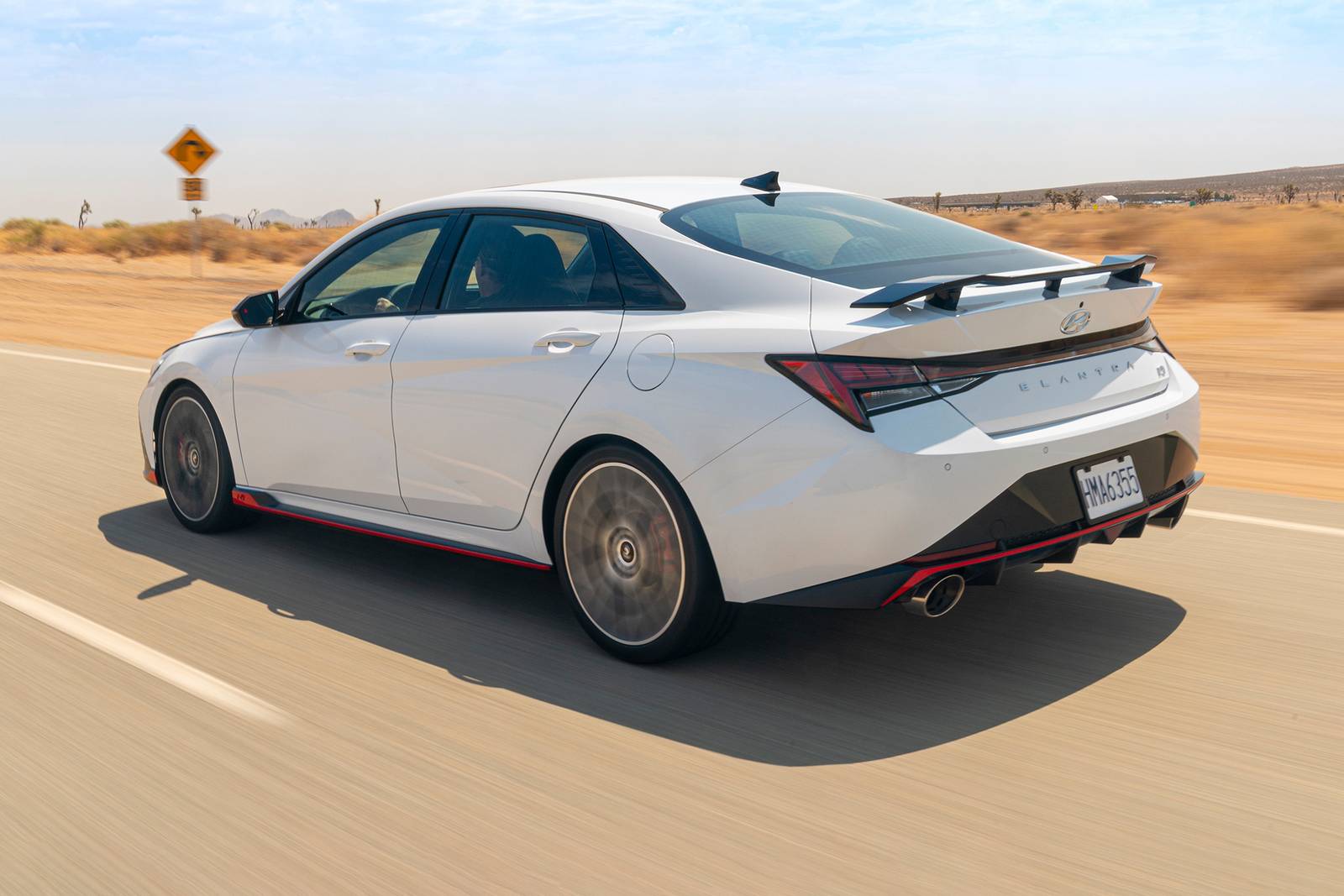
| Model | Model Years | Software Eligible | Notes |
|---|---|---|---|
| Accent | 2018-2022 | Yes | Compact sedan/hatchback |
| Elantra | 2011-2022 | Yes | Best-selling sedan, heavily targeted |
| Elantra GT | 2013-2020 | Yes | Hatchback variant |
| Genesis Coupe | 2013-2014 | Yes | Sports coupe, out of production |
| Kona | 2018-2022 | Yes | Compact SUV |
| Palisade | 2020-2021 | Yes | Three-row SUV |
| Santa Fe | 2013-2022 | Yes | Mid-size SUV |
| Santa Fe Sport | 2013-2018 | Yes | Compact variant |
| Santa Fe XL | 2019 | Yes | Extended version |
| Sonata | 2011-2019 | Yes | Mid-size sedan, frequently stolen |
| Tucson | 2011-2022 | Yes | Compact SUV |
| Veloster | 2012-2017, 2019-2021 | Yes | Sporty hatchback |
| Venue | 2020-2021 | Yes | Subcompact SUV |
Kia Models Affected
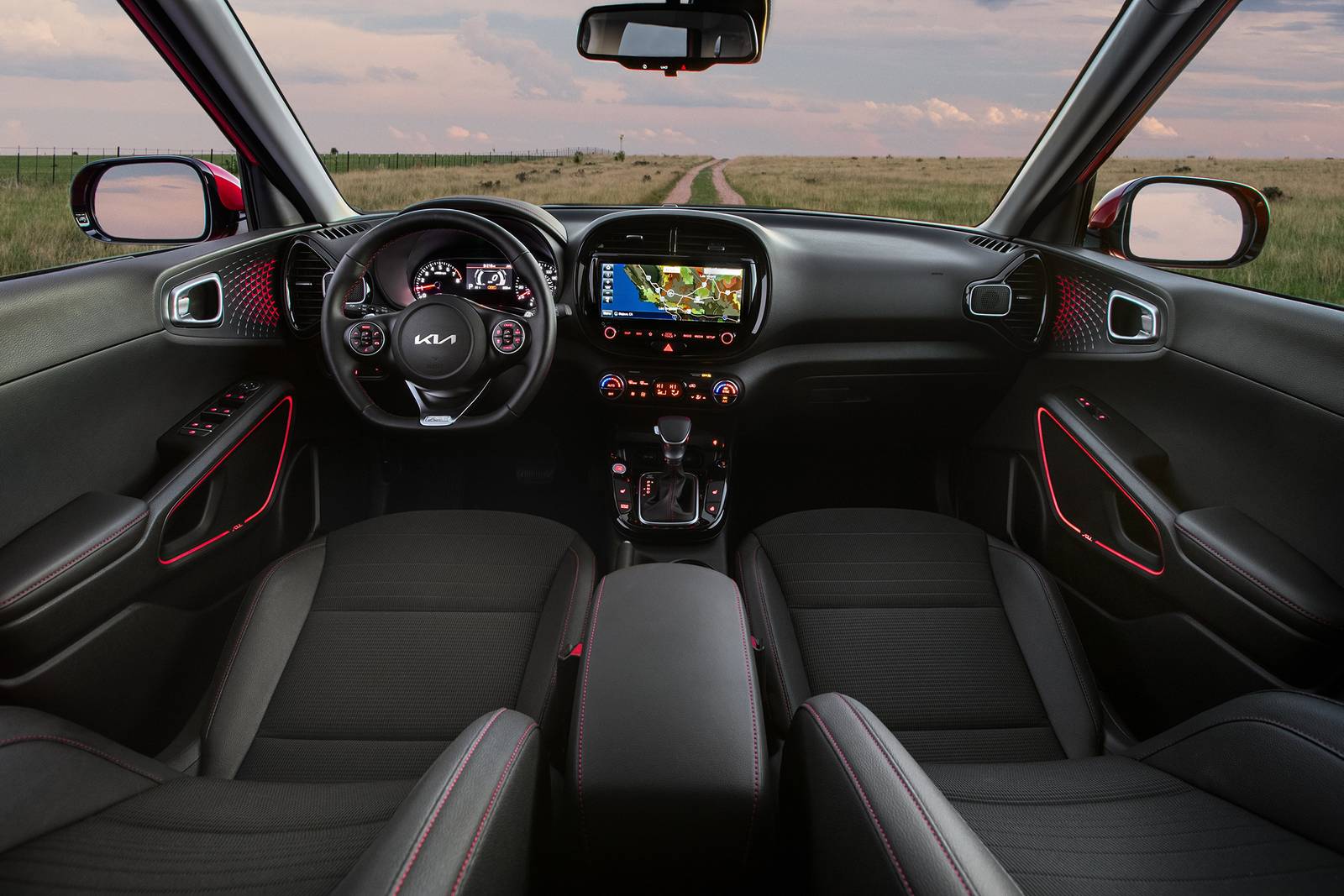
| Model | Model Years | Software Eligible | Physical Device Only | Notes |
|---|---|---|---|---|
| Forte | 2011-2022 | 2017-2022 | 2011-2016 | Compact sedan, high theft rates |
| K5 | 2021-2022 | Yes | — | Mid-size sedan (Optima replacement) |
| Optima | 2011-2020 | Yes | — | Mid-size sedan |
| Rio | 2012-2021 | 2022 only | 2011-2021 | Subcompact car |
| Sedona | 2011-2021 | 2015-2021 | 2014 | Minivan |
| Seltos | 2021-2022 | Yes | — | Subcompact SUV |
| Sorento | 2011-2022 | Yes | — | Mid-size SUV |
| Soul | 2010-2022 | 2020-2022 | 2010-2019 | Iconic boxy crossover, most recognizable target |
| Sportage | 2011-2022 | 2017-2022 | 2011-2016 | Compact SUV |
Software vs. Physical Device Eligibility
Not all affected vehicles can receive the software update. Older models with certain engine control units cannot support the software fix and instead qualify for a free physical anti-theft device:
Software Update Eligible: Most 2017-2022 models with compatible ECU hardware
Physical Device Only: Generally 2011-2016 models (varies by model—see table above)
The physical device is a steering wheel lock bracket that prevents the steering wheel from turning, functioning similarly to aftermarket "Club" devices.
The Theft Epidemic: By the Numbers
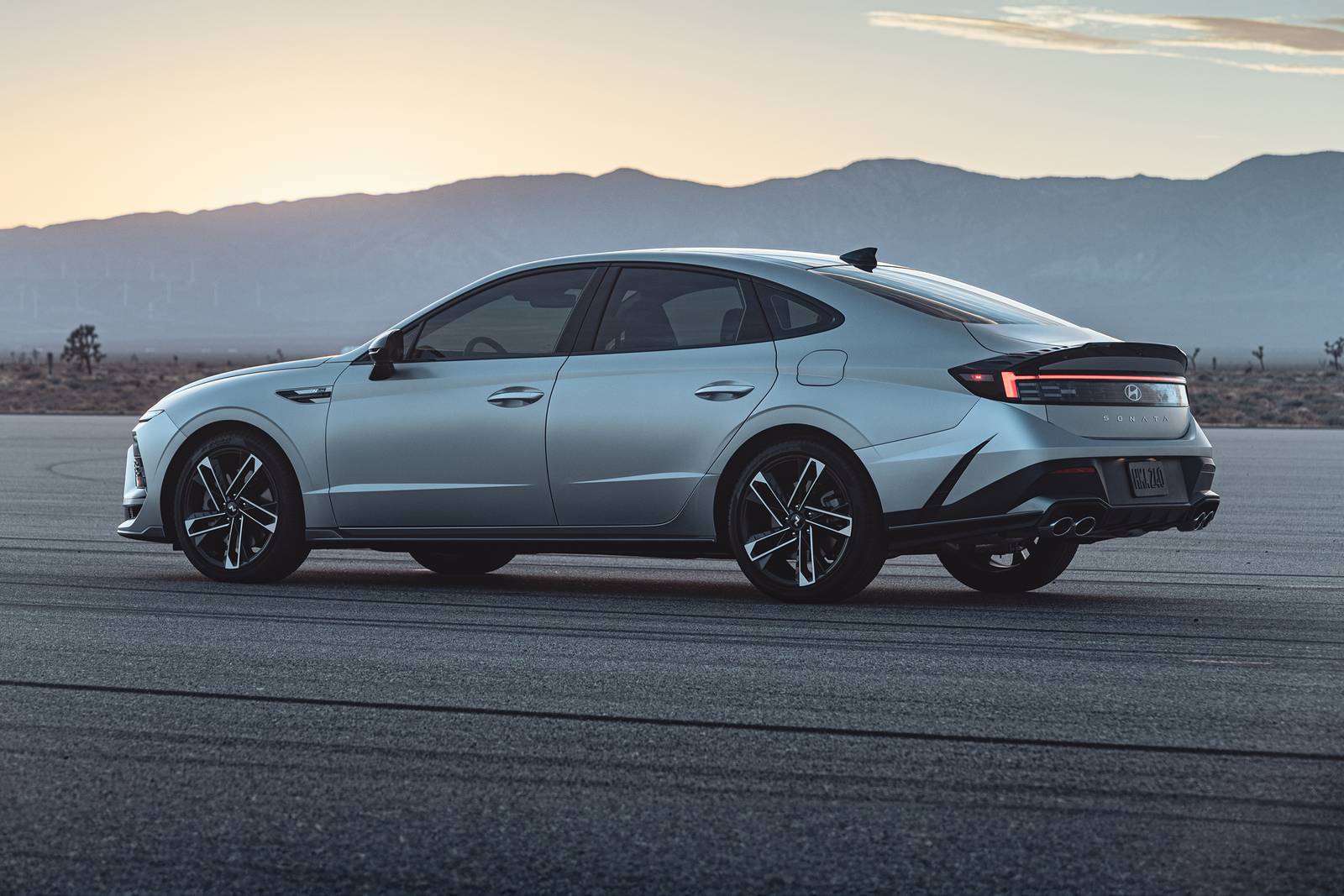
The Kia Boyz challenge transformed vehicle theft statistics across America, with Hyundai and Kia thefts increasing by extraordinary margins in cities nationwide.
National Statistics
According to the National Insurance Crime Bureau (NICB), Hyundai and Kia thefts increased dramatically:
- Over three years, theft incidents multiplied by more than 11 times
- Theft claims in early 2023 were over 10 times higher than in 2020
- Theft claims were nearly 7 times higher than for other manufacturers
By December 2022, Kias and Hyundais comprised at least 25% of all stolen cars in 15 of the 23 cities that shared model-specific data with researchers.
City-by-City Breakdown
The theft epidemic hit urban areas with devastating impact:
Milwaukee, Wisconsin (Patient Zero)
- Car thefts involving Kia and Hyundai spiked by over 2,500% in 2021
- The trend originated here before spreading nationwide
- Children as young as 11 years old participated in thefts
Chicago, Illinois
- 551 Kias or Hyundais reported stolen in first half of 2022
- 6,250 reported stolen in second half of 2022
- Tenfold increase within six months
- Thefts doubled from December 2021 to December 2022
Memphis, Tennessee
- 653% increase in Hyundai and Kia thefts from 2021 to 2022
- Highest percentage increase of any major metro area
Seattle, Washington
- Hyundai thefts increased 363% from 2021 to 2022
- Kia thefts increased 503% in the same period
- As of August 2023, three-fourths of stolen vehicles were Hyundai or Kia
Philadelphia, Pennsylvania
- Hyundai thefts grew by upward of 400% from 2019 to 2022
- Kia thefts grew by upward of 700% in the same period
- Trend arrived later but spread rapidly
Los Angeles, California
- 85% increase in thefts of Kia and Hyundai vehicles in 2022 compared to 2021
- Kia and Hyundai accounted for 20% of car thefts, up from 13% in 2021
Atlanta, Georgia
- Reported thefts rose 50% from December 2021 to December 2022
- The "Kia Boys" account for 40% of all vehicle thefts according to Atlanta PD
The Human Cost: Deaths and Injuries
The Kia Challenge has proven deadly. According to NHTSA reports and investigative journalism:
- At least 8 fatalities directly linked to stolen Kia/Hyundai-related crashes
- 14 crashes involving stolen vehicles
- Hundreds of injuries from high-speed chases and joyriding crashes
Buffalo, New York (October 23, 2022)
Six teenagers, ages 14-19, stole a Kia Sportage. Four were killed when the 16-year-old driver crashed into a wall at 100 mph:
- Marcus Webster, 19
- Swazine Swindle, 17
- Kevin Payne Jr., 16
- Ahjanae Harper, 14
The tragedy shocked the nation and intensified calls for regulatory action.
Minneapolis Violence
In Minneapolis over one year, stolen Kias or Hyundais were tied to:
- 5 homicides
- 13 shootings
- 36 robberies
- 265 crashes
Stolen vehicles became tools for violent crime, not just joyriding.
Johnston City, Illinois (April 29, 2024)
Four teenagers (13-17 years old) crashed a stolen 2013 Hyundai Elantra into a tree. The 16-year-old driver was killed; three passengers suffered serious injuries.
Philadelphia Hit-and-Run (May 28, 2024)
Five teenagers in a stolen Kia struck and killed a 55-year-old motorcyclist while fleeing police.
The Insurance Nightmare
As theft claims skyrocketed, insurance companies responded with unprecedented measures that left many Hyundai and Kia owners unable to obtain coverage.
State Farm and Progressive Refuse Coverage
In January 2023, State Farm and Progressive—two of America's largest auto insurers—announced they would temporarily stop accepting new customer applications for certain Hyundai and Kia models in multiple states.
From CNN Business reporting:
"During the past year theft rates for certain Hyundai and Kia vehicles more than tripled and in some markets these vehicles are almost 20 times more likely to be stolen than other vehicles."
Important limitations:
- Applied only to new business (new policies)—existing customers retained coverage
- Applied only to certain model years (primarily 2011-2021 models with turn-to-start ignitions)
- Applied only in certain regions (high-theft cities)
A Kia spokesperson confirmed the impacted models included "2011 to 2021 Kia vehicles equipped with a steel ignition key for turn-to-start operation."
Premium Increases and Coverage Denials
Beyond State Farm and Progressive, owners reported:
- Premium increases of 50-100%+ at renewal
- Comprehensive coverage denials (keeping liability but dropping theft coverage)
- Difficulty switching insurers as multiple companies declined to quote
- Total loss declarations after theft, even if vehicles were recovered undamaged
Impact on Vehicle Values
The insurance crisis devastated resale values:
- Affected models lost 10-30% of resale value compared to similar vehicles
- Private party buyers hesitated due to insurance concerns
- Trade-in values dropped as dealers struggled to resell stolen-prone vehicles
- Some owners found themselves underwater on loans due to sudden value collapse
The Software Update: Does It Work?

In February 2023, Hyundai and Kia began rolling out free software updates designed to prevent the USB theft method. But how effective is the fix?
What the Software Update Does
The update modifies vehicle behavior in two ways:
- Extends alarm duration from 30 seconds to 1 minute
- Requires the key to be in the ignition to turn on the vehicle (prevents USB bypass)
Early Results: Significant Improvement
According to the Insurance Institute for Highway Safety (IIHS), the software update dramatically reduced theft rates:
Theft claim frequency for Hyundais with the software update was 53% lower than those without it. For Kias, claim frequency was 64% lower.
IIHS's analysis of insurance claims from April-June 2024 found:
- 2015-2019 Hyundais with updates: 12 theft claims per 1,000 insured vehicle years
- 2015-2019 Hyundais without updates: 25 claims per 1,000 insured vehicle years
The data demonstrates the software is effective but not perfect—theft rates remain elevated compared to vehicles with factory immobilizers.
The Physical Device Alternative
For vehicles ineligible for software updates, Hyundai and Kia offer a free steering wheel lock device that physically prevents the steering wheel from turning.
Effectiveness: Similar to aftermarket "Club" devices, these are visual deterrents. Determined thieves can defeat them, but most move on to easier targets.
The Catch: Millions Remain Unprotected
Despite free availability since February 2023, millions of affected vehicles have not received the update. Reasons include:
- Owners unaware of the vulnerability or available fix
- Inconvenience of scheduling dealership appointment
- Distrust after Hyundai/Kia's delayed response
- Difficulty getting appointments due to overwhelming demand
- Owners who've already switched vehicles due to insurance issues
Estimates suggest fewer than 50% of eligible vehicles have received the update as of late 2024.
The $200 Million Settlement: Who Gets Paid?
In May 2023, Hyundai and Kia agreed to a $200 million class-action settlement to compensate owners affected by the theft crisis.
Settlement Details
According to reporting by Carscoops and CBS News:
- Total settlement value: Up to $200 million
- Potentially covered: Up to 9 million vehicle owners
- Coverage period: 2011-2022 model year vehicles without immobilizers
- Final approval: Granted by U.S. District Judge James V. Selna in late 2023
Who Qualifies for Compensation
Owners may be eligible for compensation if they:
- Owned or leased an affected 2011-2022 Hyundai or Kia with turn-to-start ignition
- Experienced theft or attempted theft
- Suffered financial loss from theft, damage, or insurance impacts
- Incurred out-of-pocket expenses related to the security issue
Compensation Amounts
Settlement payouts vary based on circumstances:
- $250 for owners who experienced theft or attempted theft (minimum payout)
- Up to 60% of Black Book value for total loss theft claims where insurance didn't fully compensate
- Reimbursement for out-of-pocket costs including insurance deductibles, rental cars, repairs, aftermarket anti-theft devices
- Reimbursement for pre-settlement costs if owners purchased aftermarket security before the free update was available
How to File a Claim
While specific claim deadlines vary, owners should:
- Monitor the official settlement website (details provided via mail/email to registered owners)
- Gather documentation: Police reports, insurance claims, receipts for security devices, proof of ownership
- Submit claims before the deadline (check settlement administrator for specific dates)
- Expect processing delays: Large class-action settlements typically take 6-18 months to distribute funds
What the Settlement Doesn't Cover
The settlement compensates for past losses but does not:
- Force a recall or mandate immobilizer retrofits
- Guarantee future protection from theft
- Restore resale values to pre-crisis levels
- Require insurance companies to resume coverage
Criminal Consequences for "Kia Boyz"
While the theft trend began as social media-driven joyriding, law enforcement has responded with serious criminal charges.
Juvenile Offenders
Most "Kia Boyz" participants are juveniles, complicating prosecution:
- Ages range from 11 to 17 in many arrest reports
- Juvenile detention rather than adult prison is typical
- Sealed records prevent long-term consequences in many jurisdictions
- Repeat offenses are common due to light initial penalties
According to a Wisconsin Law Journal article, many young offenders are unaware that vehicle theft is a felony carrying potential prison time.
Adult Charges
Adults involved face serious felony charges:
- Vehicle theft: Felony, 3-10 years in most states
- Vehicular homicide: If crash results in death
- Aggravated assault: If stolen vehicle used in violent crime
- Robbery charges: If stolen car used as getaway vehicle
In the Buffalo case that killed four teenagers, the 16-year-old driver (who survived) faced multiple felony counts including criminally negligent homicide.
Social Media Prosecution
Some jurisdictions have explored charging individuals who posted theft tutorials:
- Conspiracy to commit theft
- Aiding and abetting vehicle theft
- Endangering public safety
Legal experts note these prosecutions face First Amendment challenges, making them difficult to pursue successfully.
How to Protect Your Hyundai or Kia
If you own an affected vehicle, you have several options to reduce theft risk:
1. Get the Free Software Update IMMEDIATELY
Priority #1: Schedule the software update at your nearest Hyundai or Kia dealership.
How to check eligibility:
- Hyundai: hyundaiantitheft.com
- Kia: Check with your local Kia dealer or visit Kia's anti-theft information page
What to expect:
- Appointment required (call ahead—some dealers have waiting lists)
- 30-60 minute installation time
- Free window decal indicating your vehicle has the update (acts as visual deterrent)
- No out-of-pocket cost
2. Install Physical Anti-Theft Devices
Layer security with physical deterrents:
Steering Wheel Locks:
- The Club (classic visual deterrent)
- Kia/Hyundai-provided device (free for ineligible vehicles)
- Visible from outside, discourages thieves from targeting your vehicle
Wheel Locks:
- Prevent thieves from towing vehicle on wheel dollies
- Less effective against drive-away thefts
Kill Switches:
- Professional installation required
- Interrupts fuel pump or ignition circuit
- Hidden location known only to you
GPS Trackers:
- Won't prevent theft but aids recovery
- Apple AirTag, Tile, or professional systems like LoJack
- Some insurance companies offer discounts for GPS tracking
3. Park Strategically
Reduce theft opportunity:
- Park in garages when possible
- Choose well-lit areas with high foot traffic
- Avoid street parking in high-crime neighborhoods
- Park near security cameras when available
- Use attended parking lots for long-term parking
4. Consider Comprehensive Insurance
If your insurer will still cover you:
- Maintain comprehensive coverage (covers theft)
- Lower your deductible if affordable
- Document your vehicle with photos/VIN etching
- Keep records of all anti-theft measures for potential insurance discounts
5. Install Aftermarket Immobilizer
For maximum protection, consider a professional aftermarket immobilizer installation:
- Cost: $300-$800 installed
- Effectiveness: Equivalent to factory immobilizer
- Types: RFID chip-based, PIN entry, smartphone app
- Installation: Requires professional installer (3-5 hours)
Some insurance companies offer premium discounts for aftermarket immobilizers, potentially offsetting the cost.
Should You Still Buy an Affected Hyundai or Kia?

The theft crisis raises legitimate questions about purchasing these vehicles in 2025. Here's a balanced perspective:
Reasons to Avoid
- Resale value concerns: Affected models trade at 10-30% discounts compared to similar vehicles
- Insurance difficulties: Coverage may be expensive or unavailable in high-theft areas
- Ongoing theft risk: Software update reduces but doesn't eliminate vulnerability
- Stigma: "Kia Boyz" association may persist for years
- Better alternatives: Competitors offer similar vehicles without theft issues
Reasons to Consider (With Precautions)
- Significant discounts: Theft concerns have created bargain opportunities
- Software fix availability: Updated vehicles have much lower theft rates
- 2023+ models are safe: All new vehicles since 2022 have factory immobilizers
- Reliability otherwise strong: Hyundai/Kia have improved quality significantly
- 10-year warranty: Hyundai's industry-leading warranty remains valuable
Recommendation for Buyers
Avoid 2011-2021 models with turn-to-start ignitions unless:
- You can confirm the software update has been installed
- You live in a low-theft area
- You have secure garage parking
- Your insurance company will provide affordable comprehensive coverage
- The price discount is substantial (30%+ below similar non-affected vehicles)
Strongly prefer 2023+ models: Any Hyundai or Kia manufactured in 2022 or later includes factory immobilizers and is not vulnerable to the USB theft method.
Check specific VIN: Use Hyundai or Kia's VIN lookup tools to verify whether a specific vehicle has push-button start (safe) or turn-to-start (vulnerable), and whether the software update has been applied.
Frequently Asked Questions
Conclusion: A Preventable Crisis
The Hyundai/Kia theft epidemic represents one of the most unusual automotive crises in modern history—not a mechanical failure or safety defect, but a security omission that became a viral social media phenomenon with deadly consequences.
The numbers tell a troubling story:
- 8.3 million vulnerable vehicles
- 1,000%+ theft increases in some cities
- 8 deaths, 14 crashes, hundreds of injuries
- Major insurance companies refusing coverage
- 10-30% resale value collapse
- $200 million settlement barely covering owner losses
Yet the crisis was entirely preventable. Had Hyundai and Kia installed industry-standard immobilizers—technology costing $50-$100 per vehicle—none of this would have occurred.
For current owners:
- Get the software update immediately if eligible
- Install physical anti-theft devices for layered security
- Park strategically and consider comprehensive insurance
- File settlement claims if you've suffered losses
- Consider trading for 2023+ models or different brands
For prospective buyers:
- Avoid 2011-2021 turn-to-start models unless heavily discounted and updated
- Prioritize 2023+ models with factory immobilizers
- Verify software update status before purchasing used affected models
- Confirm insurance availability in your area before buying
- Consider alternatives from manufacturers without these issues
The good news: Hyundai and Kia have addressed the vulnerability in new vehicles, and theft rates for updated vehicles are significantly lower. The bad news: millions of unprotected vehicles remain on the road, and the reputational damage may persist for years.
Don't become another statistic. If you own an affected vehicle, take action today. If you're shopping for a Hyundai or Kia, buy smart and verify security features before signing.
Check vehicle security and theft history:
Related reading:
- Most Common Car Recalls
- Best Hyundai Elantra Years (if this exists)
- Best Kia Sportage Years (if this exists)
- Cars Losing Value the Fastest (if this exists)
Sources:
- Kia Challenge - Wikipedia
- NICB: Challenging A Viral Vehicle Theft Dare
- NHTSA: Hyundai, Kia Provide Anti-Theft Software Update
- NBC News: Feds decline to recall vulnerable Hyundai and Kia vehicles
- CNN Business: Some auto insurers are refusing to cover certain Hyundai and Kia models
- Motor Trend: The Kia Boyz Saga
- MotorBiscuit: Stolen Hyundai and KIA Models Result in 14 Crashes, 8 Fatalities
- Carscoops: Hyundai, Kia To Pay $200 Million To Settle Class Action Lawsuit
- CNN Business: Hyundai and Kia agree to $200 million legal settlement
- IIHS: Anti-theft software tamps down viral theft trend