Exploding Sunroofs: The Dangerous Defect Hiding in Plain Sight
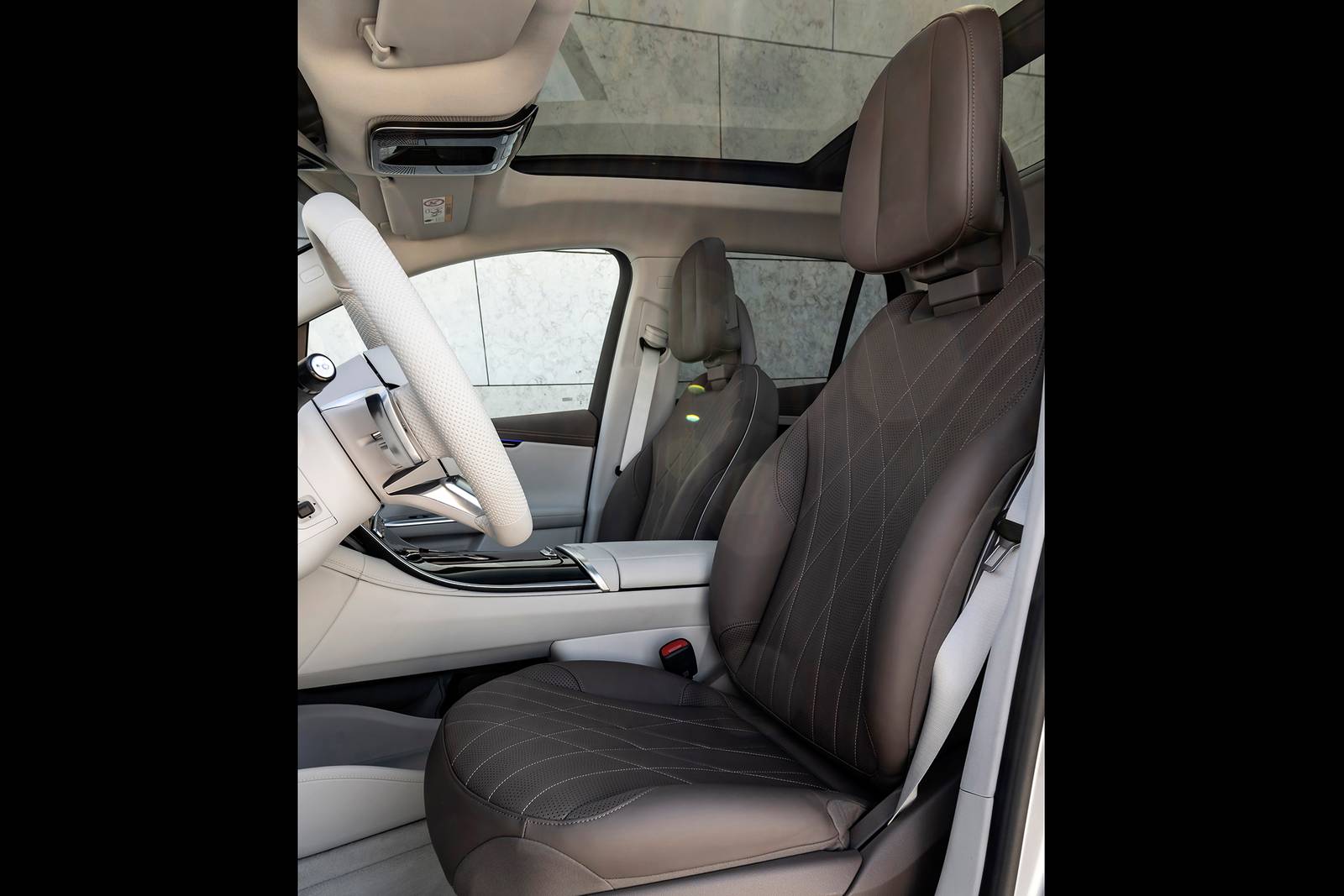
Exploding Sunroofs: The Dangerous Defect Hiding in Plain Sight
You're cruising down the highway at 70 mph when you hear what sounds like a gunshot directly above your head. Glass rains down on you, your passengers, and throughout the vehicle's interior. There was no rock, no impact, no warning—your panoramic sunroof just spontaneously exploded.
This terrifying scenario has played out over 5,183 times according to NHTSA complaint data, resulting in 365 documented injuries and one death. And the problem is getting dramatically worse.
Our analysis of the complete NHTSA safety complaint database reveals that sunroof explosion complaints have increased 1,188% since 2010—from 41 annual complaints to over 500 per year. Despite this alarming trend, no major automaker has issued a comprehensive recall to address the issue.
The Numbers Are Alarming
When we analyzed all NHTSA complaints mentioning sunroof explosions, shattering, or spontaneous glass failure, the trend was unmistakable:
| Year | Complaints | Year-Over-Year Change |
|---|---|---|
| 2010 | 41 | — |
| 2011 | 54 | +32% |
| 2012 | 54 | 0% |
| 2013 | 148 | +174% |
| 2014 | 245 | +66% |
| 2015 | 275 | +12% |
| 2016 | 264 | -4% |
| 2017 | 415 | +57% |
| 2018 | 461 | +11% |
| 2019 | 387 | -16% |
| 2020 | 335 | -13% |
| 2021 | 338 | +1% |
| 2022 | 386 | +14% |
| 2023 | 604 | +56% |
| 2024 | 432 | -28% |
| 2025 | 528 | +22% (YTD) |
The 2023 spike to 604 complaints represents the worst year on record, with 2025 on pace to exceed it. This isn't a problem that's going away—it's accelerating.
Which Brands Have the Worst Track Record?
When we calculated the rate of sunroof explosion complaints relative to total complaints (per 1,000 complaints), luxury and Korean brands dominated the list:
| Manufacturer | Total Complaints | Sunroof Explosions | Rate per 1,000 |
|---|---|---|---|
| Mercedes-Benz | 10,105 | 199 | 19.69 |
| Mazda | 10,055 | 131 | 13.03 |
| BMW | 16,395 | 201 | 12.26 |
| Kia | 40,775 | 497 | 12.19 |
| Hyundai | 50,602 | 585 | 11.56 |
| Toyota | 44,472 | 470 | 10.57 |
| Nissan | 38,721 | 335 | 8.65 |
| Volkswagen | 23,680 | 186 | 7.85 |
| Honda | 58,213 | 385 | 6.61 |
| Subaru | 23,197 | 149 | 6.42 |
The bottom of the list tells an interesting story. Domestic truck-focused brands like GMC (2.25), Jeep (1.91), Ford (1.81), Chevrolet (1.09), and Ram (0.64) have dramatically lower rates—likely because panoramic sunroofs are less common on trucks and traditional SUVs.
Most notably: Tesla has zero sunroof explosion complaints despite equipping most vehicles with expansive glass roofs. The likely explanation? Tesla uses laminated glass (like windshields) rather than tempered glass for their roofs. More on this critical distinction later.
The Worst Offenders: Model by Model
When we broke down complaints by specific vehicle, certain models emerged as particularly problematic:
| Rank | Vehicle | Complaints |
|---|---|---|
| 1 | Hyundai Veloster (2012) | 71 |
| 2 | Scion tC (2005) | 34 |
| 3 | Hyundai Palisade (2023) | 33 |
| 4 | Hyundai Veloster (2013) | 33 |
| 5 | Kia Sorento (2012) | 31 |
| 6 | Toyota RAV4 (2021) | 31 |
| 7 | Kia Sorento (2014) | 28 |
| 8 | Scion tC (2006) | 26 |
| 9 | Kia Telluride (2022) | 25 |
| 10 | Hyundai Palisade (2022) | 24 |
The Hyundai Veloster stands out with its unusual panoramic design—its glass spans nearly the entire roof. But the presence of popular mainstream vehicles like the Toyota RAV4, Kia Sorento, Hyundai Palisade, and Kia Telluride on this list should concern millions of vehicle owners.
The Palisade and Telluride Problem
The Hyundai Palisade and Kia Telluride—essentially sister vehicles built on the same platform—have accumulated a combined 173 sunroof explosion complaints across their relatively short production runs:
| Model | 2020 | 2021 | 2022 | 2023 | 2024 | 2025 | Total |
|---|---|---|---|---|---|---|---|
| Hyundai Palisade | 8 | 19 | 23 | 31 | 12 | 1 | 94 |
| Kia Telluride | 9 | 20 | 25 | 15 | 6 | 4 | 79 |
These are award-winning, family-friendly SUVs that have been praised for value and features. Families with children are their primary demographic—the same families now reporting glass explosions above their kids' heads.
What Owners Are Experiencing
The NHTSA complaints paint a vivid and disturbing picture. Here are recent examples from vehicle owners:
2026 Kia K5 Owner:
"Had the sunroof sunshade open, and the sunroof has exploded spontaneously out of nowhere. Since I had the sunshade open, the glass pieces went all over me and my wife. It had first scared us cause it was like a gun being fired off in the car, and I could've gotten into an accident. There's been many reports about this issue—I'm personally in a group and there's a few people on there that this has happened to. No warning before it happened, there was no sign of impact. Looks like it just spontaneously exploded outwards."
2024 Ford F-150 Owner:
"The rear glass panel of the panoramic sunroof on my 2024 Ford F-150 suddenly and spontaneously shattered while I was driving. The shattered panel was directly above my two children seated in the rear, and falling glass fragments posed a significant danger of injury. The Ford dealership inspected the vehicle but did not identify any impact damage and did not confirm a cause."
2023 Mercedes-Benz EQS Owner:
"My panoramic sunroof shattered with no warning and no apparent impact. It exploded outward, while traveling at a high speed on the highway. It was late and there were no other vehicles on the road at the time. I was not near an overpass."
2022 Hyundai Tucson Owner:
"While driving on the highway at approximately 80mph, with no other cars or hazards in front of the vehicle, this piece of glass shattered. We heard a loud popping sound, immediately followed by shattering/cracking noises. It was not struck by any rocks or debris. After arriving at my location, the vehicle was immediately inspected at a Hyundai dealership where they determined the damage to be a manufacturing defect."
The patterns are consistent: no warning, no impact, explosive shattering that sounds like a gunshot, and glass showering onto occupants. Many owners report near-accidents from the startling noise and sudden loss of visibility.
The Toll: Injuries and Worse
Beyond the startling nature of these incidents, the safety consequences are real:
- 365 documented injuries across all sunroof explosion complaints
- 15 crashes attributed to these incidents
- 1 death recorded in the database
The injuries range from cuts from falling glass to more serious harm. One older complaint describes "cuts to face, neck and legs" when a sunroof exploded during installation. Another mentions a driver "showered with glass which had to be removed from arm, neck and hair."
When these explosions happen at highway speeds, the potential for serious accidents is significant. Drivers describe being momentarily blinded, startled into swerving, or unable to continue driving safely.
Why Is This Happening?
The physics behind spontaneous glass failure are well understood, even if preventing it remains elusive.
The Tempered Glass Problem
Most automotive sunroofs use tempered glass, which is heat-treated to be stronger than regular glass. When tempered glass breaks, it's designed to shatter into small, relatively harmless pebbles rather than dangerous shards—a safety feature.
However, tempered glass has a critical weakness: nickel sulfide inclusions. These microscopic impurities can form during manufacturing and remain dormant for years. Over time, temperature fluctuations cause these inclusions to expand, creating internal stress. Eventually, the glass fails catastrophically—with no warning and no external cause.
Other contributing factors include:
- Manufacturing defects in the glass itself
- Frame stress from vehicle flex during driving
- Temperature differentials between the sun-heated glass and air conditioning
- Installation issues that create uneven pressure points
- Minor unnoticed damage that propagates over time
Why Tesla Doesn't Have This Problem
Tesla's glass roofs use laminated glass—two layers of glass bonded with a plastic interlayer, similar to windshields. Even if nickel sulfide inclusions cause failure, the plastic layer holds the glass together rather than allowing it to explode into the cabin.
This design choice explains Tesla's zero sunroof explosion complaints despite having some of the largest glass roof panels in the industry. The trade-off: laminated glass is heavier and more expensive to manufacture than tempered glass.
The Recall Situation (Or Lack Thereof)
Despite over 5,000 complaints and clear patterns affecting specific models, no major manufacturer has issued a comprehensive sunroof glass recall related to spontaneous shattering.
Some manufacturers have issued limited recalls for related issues:
- Frame attachment problems
- Water leakage
- Electronic opening/closing malfunctions
But the core issue—tempered glass spontaneously exploding—remains unaddressed at an industry level. Manufacturers typically treat each incident as an isolated case, often requiring owners to prove there was no external impact before considering warranty coverage.
This creates a frustrating situation for affected owners. As one complaint notes: "I am currently seeking the damage be covered under the basic 5yr/60,000 mile warranty" after a dealership confirmed the failure was a manufacturing defect.
How to Protect Yourself
If you own a vehicle with a panoramic sunroof—or are considering buying one—here are practical steps to reduce your risk:
1. Keep the Sunshade Closed When Possible
If your sunroof has an interior sunshade, keep it closed when you're not actively enjoying the view. This won't prevent an explosion, but it can catch falling glass and prevent direct injuries to occupants.
2. Avoid Extreme Temperature Swings
While you can't control the weather, you can minimize temperature stress:
- Park in shade when possible
- Avoid blasting AC directly after the car has been sitting in hot sun
- In winter, gradually warm the vehicle rather than using maximum heat immediately
3. Inspect for Pre-Existing Damage
Regularly check your sunroof glass for:
- Small chips or cracks near the edges
- Unusual marks or discoloration
- Signs of improper installation (uneven gaps)
Any pre-existing damage increases the risk of catastrophic failure.
4. Document Everything
If your sunroof does explode:
- Take photos immediately, before any cleanup
- Note the exact conditions (weather, speed, location)
- Get written documentation from the dealership
- File an NHTSA complaint at nhtsa.gov/report-a-safety-problem
Insurance typically covers sunroof replacement under comprehensive coverage, but documenting a defect (rather than impact damage) may help pursue warranty coverage or contribute to eventual recalls.
5. Consider Your Options When Buying
If you're shopping for a new vehicle, ask yourself whether a panoramic sunroof is worth the risk:
- Lower-risk option: Traditional smaller sunroofs have fewer complaints
- Even lower risk: Fixed glass roofs (like Tesla's) use laminated glass
- Lowest risk: No sunroof at all
If you want a panoramic roof, research the specific model's complaint history before purchasing.
Which Vehicles to Watch Out For
Based on our analysis, buyers should exercise extra caution with these models:
High Complaint Rates:
- Hyundai Veloster (all years)
- Hyundai Palisade (2020-2024)
- Kia Telluride (2020-2024)
- Toyota RAV4 (2018-2023)
- Kia Sorento (2011-2016)
Brands with Elevated Rates:
- Mercedes-Benz (19.69 per 1,000)
- Mazda (13.03 per 1,000)
- BMW (12.26 per 1,000)
- Kia (12.19 per 1,000)
- Hyundai (11.56 per 1,000)
This doesn't mean every vehicle from these brands will experience problems—the vast majority won't. But statistically, these brands and models appear more frequently in sunroof failure complaints.
What Should Change
The automotive industry needs to address this issue more seriously:
- Transition to laminated glass for panoramic roofs, following Tesla's example
- Improved quality control for tempered glass to catch nickel sulfide inclusions
- Better warranty coverage for spontaneous failures with no impact evidence
- Proactive recalls when complaint patterns emerge for specific models
- Consumer education about the trade-offs of panoramic sunroof options
Until these changes happen, consumers are left managing a known risk that manufacturers have been slow to address.
How Cardog Helps
Shopping for a vehicle and want to know its safety history? Cardog aggregates complaint data, recall status, and reliability patterns into actionable intelligence for every vehicle in our marketplace.
When you browse listings on Cardog, you can see comprehensive vehicle history including any outstanding recalls. Our recall lookup tool lets you check any vehicle by VIN—critical information before purchasing a used vehicle with a panoramic sunroof.
Looking at specific models mentioned in this article? Browse Toyota RAV4 listings, Hyundai Palisade listings, or Kia Telluride listings with full safety data included.