The $20K EV Revolution: BYD Seagull Coming to Canada
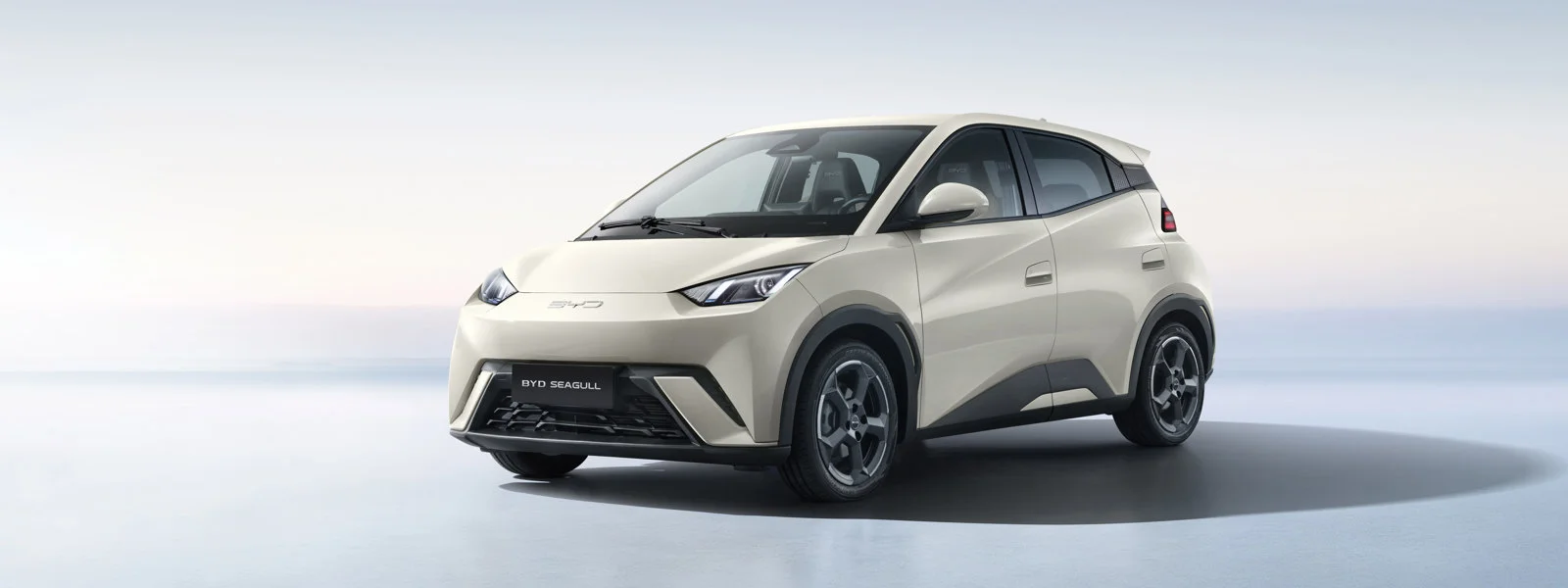
The $20K EV Revolution: BYD Seagull Coming to Canada
The cheapest new electric vehicle currently available in Canada starts at around $40,000. The cheapest new car of any kind—the Mitsubishi Mirage—starts at approximately $18,000, but it's a gasoline-powered subcompact with 78 horsepower and technology from the previous decade.
The BYD Seagull is about to change everything.
With an estimated Canadian price of $20,000 to $25,000 before incentives, the Seagull isn't just another EV entering the market—it's the creation of an entirely new segment. For the first time, Canadians will be able to buy a brand-new electric vehicle for less than a Honda Civic. And with federal and provincial incentives stacked on top, the math becomes almost unbelievable.
This is what disruption actually looks like.
What Is the BYD Seagull?
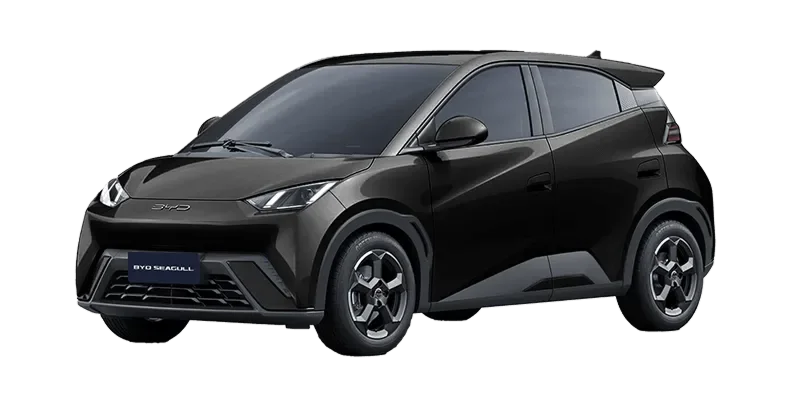
The BYD Seagull is a subcompact 5-door hatchback roughly 3.78 metres long—about the size of a Chevrolet Spark or Mini Cooper. It's designed as an urban runabout: a practical, efficient city car that happens to be fully electric.
In China, where it launched in 2023, the Seagull quickly became one of the best-selling EVs on the market. It starts at approximately ¥78,000 (around $14,000 CAD at current exchange rates), making it accessible to millions of buyers who previously couldn't afford electric vehicles. BYD has since expanded the Seagull to Mexico, Latin America, and parts of Asia, with European markets expected in 2026.
Canada's new tariff-quota system—allowing 49,000 Chinese EVs annually at just 6.1% duty—opens the door for vehicles like the Seagull that were previously blocked by 100% tariffs.
Complete Specifications
The Seagull is available in two battery configurations, both using BYD's proprietary Blade Battery technology.
| Specification | Standard Range (30 kWh) | Extended Range (38 kWh) |
|---|---|---|
| Battery | 30.1 kWh LFP Blade | 38.9 kWh LFP Blade |
| Range (CLTC) | 305 km | 405 km |
| Estimated Real-World Range | ~200 km | ~280-300 km |
| Motor | 55 kW (75 hp) FWD | 55 kW (75 hp) FWD |
| Torque | 135 Nm | 135 Nm |
| 0-50 km/h | ~4.9 seconds | ~4.9 seconds |
| 0-100 km/h | ~13 seconds | ~13 seconds |
| Top Speed | 130 km/h | 130 km/h |
| DC Fast Charging | ~30 kW (30-80% in ~30 min) | ~40 kW (30-80% in ~30 min) |
| AC Charging | ~6 kW (4-5 hours 0-100%) | ~7 kW (5-6 hours 0-100%) |
| Length | 3,780 mm | 3,780 mm |
| Width | 1,715 mm | 1,715 mm |
| Height | 1,540 mm | 1,540 mm |
| Seating | 4 passengers | 4 passengers |
| Cargo (seats folded) | 930 litres | 930 litres |
| Airbags | 6-8 (trim dependent) | 6-8 (trim dependent) |
Important note on range: The CLTC (China Light-Duty Vehicle Test Cycle) ratings are optimistic. Real-world range, especially in Canadian winters, will be lower. Expect approximately 200 km from the standard battery and 280-300 km from the extended battery under typical driving conditions. In extreme cold (-20°C and below), subtract another 20-30%.
The Blade Battery Advantage
At the heart of the Seagull is BYD's Blade Battery—a lithium iron phosphate (LFP) cell-to-pack design that has fundamentally changed EV battery economics and safety.
Why LFP matters for Canadian buyers:
- Cold tolerance: LFP chemistry handles cold weather better than many alternatives, with robust thermal management built in
- Longevity: LFP batteries typically last 3,000+ charge cycles versus 1,000-1,500 for some competing chemistries
- Safety: The Blade Battery's design passed BYD's famous "nail penetration test" without thermal runaway—meaning it won't catch fire even when punctured
- Affordability: LFP doesn't require cobalt or nickel, reducing cost and supply chain risk
BYD warranties its Blade Batteries for 8 years/150,000 km in most markets, with some regions offering lifetime battery warranties for first owners. Canadian warranty terms have not yet been announced.
Interior and Technology
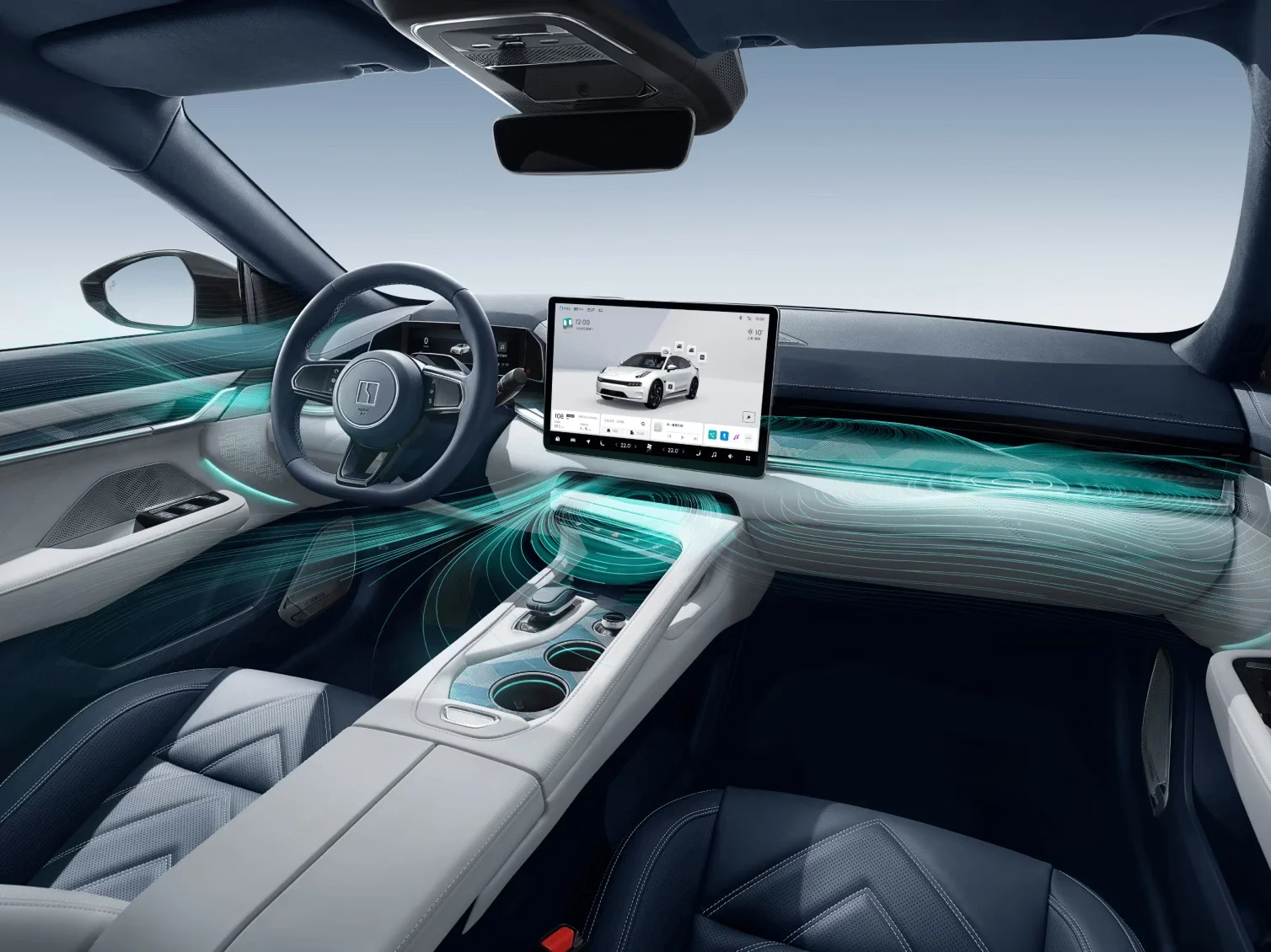
Despite its budget positioning, the Seagull isn't stripped-down transportation. The interior includes:
- 12.8-inch rotating touchscreen running BYD's DiLink infotainment system (higher trims)
- 5-inch digital driver display
- Wireless phone charger (trim dependent)
- Smartphone connectivity with Apple CarPlay expected for North American versions
- DiPilot ADAS suite (optional) including:
- Adaptive cruise control
- Automatic emergency braking
- Lane departure assist
- Blind spot monitoring
- Heated front seats (essential for Canada)
- Over-the-air software updates
The cabin features hard plastics throughout—this is a budget car—but BYD has injected personality with bold colour options and a minimalist, modern design language. The steering wheel is pleasantly compact, controls are intuitive, and visibility is excellent thanks to the upright seating position and large windows.
Rear seat space is tight (this is a city car, after all), but the Seagull's 930-litre cargo capacity with seats folded is genuinely practical for grocery runs and weekend errands.
The Competition Problem (There Isn't Any)
The BYD Seagull has no direct competitors in Canada because no one else is playing in this segment.
| Vehicle | Starting MSRP | Range | Notes |
|---|---|---|---|
| Nissan Leaf S | ~$40,000 | 240 km | Discontinued for 2025 |
| Chevrolet Bolt EV | ~$38,000 | 417 km | Discontinued 2023 |
| Hyundai Kona Electric | ~$47,000 | 415 km | Compact SUV |
| Tesla Model 3 | ~$55,000 | 438 km | Premium sedan |
| BYD Seagull | ~$20,000-$25,000 | 200-300 km | City hatchback |
The closest comparison isn't another EV—it's the gasoline Mitsubishi Mirage at $18,000, which offers 78 horsepower, no modern safety tech, and running costs that will quickly eclipse any upfront savings.
The Seagull creates an entirely new category: the sub-$25,000 new electric vehicle. Until now, this segment simply didn't exist in Canada.
Who Should Buy the BYD Seagull?
The Seagull isn't for everyone. Its limited range, modest highway performance, and compact dimensions make it purpose-built for specific use cases.
Perfect For:
Urban commuters: If your daily drive is under 50 km and you have home charging, the Seagull is ideal. You'll charge overnight on a standard 120V outlet and never visit a gas station again.
Students and young professionals: At potentially $8,000-$15,000 after incentives, the Seagull makes new-car ownership accessible to buyers who would otherwise be limited to aging used vehicles with uncertain reliability.
Second-car households: Families with longer-range vehicles for road trips can use the Seagull for school runs, grocery trips, and local errands—eliminating a significant portion of their fuel costs.
Car-sharing and fleet operators: The low purchase price, minimal maintenance requirements, and predictable operating costs make the Seagull attractive for commercial applications.
Not Ideal For:
- Highway commuters: The 130 km/h top speed and modest acceleration make extended highway driving tiring
- Frequent road trippers: ~200-300 km range with slow DC charging isn't practical for long distances
- Families needing passenger space: Four seats and limited rear legroom won't accommodate larger families
- Cold-climate drivers without home charging: Public charging dependence in winter could be frustrating
The Trust Question: Should You Buy from BYD?
This is the concern every prospective buyer is thinking about: Can I trust a Chinese brand I've never heard of?
What BYD has going for it:
- Scale: BYD is the world's largest EV manufacturer, outselling Tesla globally in 2024. They're not a startup—they're a company with $90+ billion in annual revenue.
- Track record: BYD electric buses have operated in Canadian cities (including Toronto) for years with strong reliability records.
- Vertical integration: BYD manufactures its own batteries, motors, and electronics, reducing supply chain risk.
- Global presence: The Seagull and other BYD vehicles are already sold in Europe, Australia, Latin America, and Asia. Canadian versions will benefit from lessons learned in those markets.
Legitimate concerns:
- Service network: BYD has no established Canadian dealer network. Early buyers will face limited service options.
- Parts availability: Until Canadian parts distribution is established, repairs could involve delays.
- Resale value: Unknown brand + limited service network = uncertain depreciation.
- Software and connectivity: BYD's DiLink system may not have the same ecosystem integration as established brands.
The honest assessment: Early adopters will be guinea pigs. Buyers who need a primary vehicle with reliable service should probably wait until BYD establishes a Canadian presence. Buyers who have flexibility and tolerance for uncertainty can save significantly by moving early.
When Will the Seagull Arrive in Canada?
Late 2026: Pilot retail programs in Quebec and British Columbia with limited inventory.
2027: Broader availability as regulatory pathways open for Chinese passenger vehicles.
What to watch: BYD's participation in Canadian auto shows, Transport Canada's Appendix G registry for foreign manufacturer approvals, and dealer network announcements.